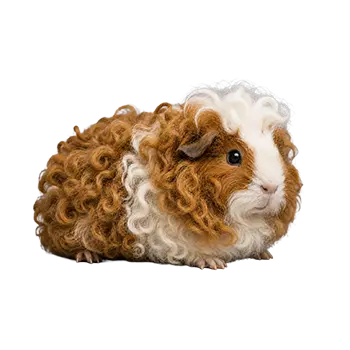

Before considering breeding Peruvian guinea pigs, it is essential to evaluate whether both the prospective parents and the breeder are truly prepared for the commitment involved. Breeding should never be undertaken casually, as guinea pig pregnancy carries real risks for the mother, and the resulting pups will need homes where they will receive proper care for the entirety of their five-to-seven-year lifespan. Responsible breeding begins with a clear purpose, whether that is improving the breed's coat quality, temperament, or overall health, and a plan for placing every pup in a suitable home.
Female guinea pigs should ideally have their first pregnancy between four and seven months of age. This timing is important because the pubic symphysis, the cartilaginous joint in the pelvis, begins to fuse after approximately ten months of age in females that have never been bred. Once this fusion occurs, the birth canal may be too narrow to allow safe delivery of pups, dramatically increasing the risk of a life-threatening dystocia. A female that has not been bred before ten months of age should generally not be bred at all.
Males reach sexual maturity as early as three to four weeks of age but are not considered fully ready for breeding until they are at least four to five months old and have reached a healthy adult weight. Both the male and female should be in excellent overall health, free from parasites, respiratory infections, dental disease, and any genetic conditions that could be passed to offspring. A pre-breeding veterinary examination for both animals is strongly recommended.
For the Peruvian breed specifically, evaluate the coat quality, texture, and growth pattern of both parents. The goal of breeding Peruvians should be to produce pups with the long, silky, flowing coat that defines the breed, along with a sound body structure and good temperament. Breeding animals with known coat defects, poor health histories, or aggressive temperaments undermines the breed and produces pups that may be difficult to place in appropriate homes.