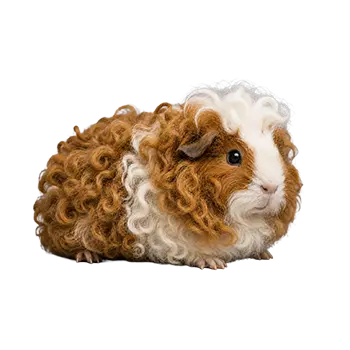

Growth & Physical Development

The juvenile period for a Peruvian guinea pig spans roughly from weaning at three to four weeks of age through approximately five to six months, when the animal approaches its adult size. During this time, growth is rapid and continuous, with most Peruvians gaining weight steadily until they reach their mature range of 900 to 1,400 grams. Males tend to grow slightly larger and may continue filling out for a bit longer than females, but both sexes will show the most dramatic size changes during this adolescent window.

The most visually striking aspect of juvenile development in the Peruvian breed is the coat. What began as slightly longer-than-average fur at birth now enters a period of accelerating growth. By two to three months of age, the hair will be noticeably long and beginning to develop the characteristic center part that runs along the spine. The coat grows in multiple directions, with sweeps of hair flowing forward over the face, backward along the flanks, and draping toward the ground. This is the period when regular grooming transitions from an occasional activity to a consistent part of the care routine.

Bone and muscle development are equally important during this stage, even though they are less visible than the emerging coat. Providing ample space for movement is essential so that the growing guinea pig can develop strong limbs and healthy joints. A cage that seemed adequate for a tiny pup may quickly feel cramped as the animal grows, so plan to upgrade to a spacious enclosure if you have not already done so. Floor time in a secure, guinea-pig-proofed area gives the juvenile additional room to run, popcorn, and build physical fitness.

Weekly weigh-ins remain a useful tool during the juvenile period. While daily weighing is no longer necessary as it was in the newborn stage, tracking weight on a weekly basis helps confirm that growth is proceeding normally. Any sustained plateau or weight loss during a period when the guinea pig should be growing warrants a veterinary check. Growth charts specific to guinea pigs can help you gauge whether your Peruvian is on track relative to the general population.

Nutrition & Diet Transition

By the time a Peruvian guinea pig is fully weaned, its diet should be centered on unlimited timothy hay, which provides the fiber necessary for healthy digestion and continuous dental wear. Hay should make up the vast majority of the diet at every life stage, and establishing this habit during the juvenile period sets the foundation for long-term health. Offer fresh hay daily in a rack or pile that the guinea pig can access freely throughout the day and night.

Pellets formulated specifically for guinea pigs should be offered in measured amounts during the juvenile period. Young guinea pigs benefit from alfalfa-based pellets up to about six months of age because alfalfa is higher in calcium and protein, nutrients that support rapid growth. After six months, transition gradually to timothy-based pellets to avoid excess calcium intake, which can contribute to bladder stones in adult guinea pigs. The transition should be done over a week or two by mixing increasing proportions of the new pellets with the old.

Fresh vegetables are an essential component of the daily diet, providing vitamin C and other nutrients that pellets and hay alone cannot fully supply. Offer a varied rotation of safe vegetables such as bell peppers, romaine lettuce, cilantro, parsley, and small amounts of carrot or cucumber. Introduce new vegetables one at a time so that you can identify any that cause digestive upset. Avoid feeding iceberg lettuce, potatoes, onions, or any vegetable from the nightshade family other than bell peppers.

Fresh, clean water must be available at all times from a sipper bottle. Check the bottle daily to ensure it is dispensing properly, as a malfunctioning bottle can lead to dehydration surprisingly quickly. Some guinea pigs also appreciate a shallow water dish as an alternative drinking source. During the juvenile period, the guinea pig's water intake will increase as it grows, so monitor the bottle level to make sure it is being refilled frequently enough to keep up with demand.

Behavioral Changes

Adolescence brings a noticeable shift in behavior for Peruvian guinea pigs. The boldness and curiosity that characterized the late newborn period intensify, and the young guinea pig becomes more vocal, more assertive, and more likely to test boundaries. You may notice increased vocalizations at feeding time, more vigorous exploration during floor time, and a greater interest in interacting with household members and cage mates.

Sexual maturity can arrive as early as three to four weeks in males and four to six weeks in females, making it critical that sexes are separated well before this point if breeding is not intended. Hormonally driven behaviors become increasingly apparent during the juvenile months. Males may begin rumblestrutting, mounting cage mates, and displaying territorial behaviors such as scent marking and chin rubbing. Females may also display some mounting behavior as part of normal social dynamics, particularly when establishing hierarchy.

This period can also bring temporary changes in how a guinea pig responds to handling. A previously docile pup may become wriggly, nippy, or more resistant to being picked up as it gains confidence and independence. This is a normal phase and not a sign of permanent temperament change. Consistent, gentle handling sessions will help the guinea pig move through this adolescent resistance and settle back into a trusting relationship with its owner.

Social dynamics within a group may shift during the juvenile period as well. Guinea pigs that coexisted peacefully as young pups may begin to establish a dominance hierarchy, which can involve teeth chattering, chasing, and occasional scuffles. These interactions are normal as long as they do not escalate to biting that draws blood. Providing multiple hiding spots, food stations, and water bottles within the cage reduces competition and gives subordinate animals a way to retreat without conflict.

Grooming & Coat Care

Grooming is arguably the defining responsibility of Peruvian guinea pig ownership, and the juvenile period is when this routine must become firmly established. As the coat grows longer through the adolescent months, it will require daily or every-other-day attention to prevent matting, tangling, and the accumulation of bedding debris. A soft-bristle brush and a wide-toothed comb are the primary tools you will need, along with a pair of blunt-tipped scissors for trimming if the coat drags on the ground or becomes soiled.

Begin each grooming session by gently working through the coat with your fingers to locate any mats or tangles. Small tangles can usually be teased apart carefully with a comb, working from the tips of the hair toward the body to minimize pulling. Mats that are too tight to comb out should be carefully cut away with scissors rather than pulled, as pulling can cause pain and damage the skin beneath. Paying particular attention to the hair around the hindquarters is important, as this area is most prone to soiling and matting.

Many Peruvian owners choose to keep the coat trimmed to a manageable length rather than maintaining it at full show length. A trim to a few inches all around dramatically reduces daily grooming time while still preserving the breed's distinctive flowing appearance. If you decide to keep the coat long, consider wrapping or banding sections of the hair to protect it between grooming sessions, a technique commonly used by show breeders to prevent breakage and contamination.

Bathing should be done only when necessary, as frequent bathing strips natural oils from the coat and can cause skin dryness. When a bath is needed, use lukewarm water and a gentle small-animal shampoo, rinsing thoroughly to ensure no residue remains. Dry the guinea pig completely using a towel and a low-heat dryer held at a safe distance, as a damp Peruvian coat can take a long time to air dry and leaving the animal wet risks chilling.

Exercise & Enrichment

Juvenile Peruvian guinea pigs are energetic and inquisitive, and providing adequate exercise and mental stimulation is important for both physical development and emotional well-being. A spacious cage is the starting point, with a minimum of seven to eight square feet of floor space for a single guinea pig and more for pairs or groups. However, cage space alone is not sufficient. Daily supervised floor time in a safe, enclosed area gives the guinea pig room to run, popcorn, and exhibit natural behaviors that are difficult to express in even the most generous cage.

Enrichment items help keep the juvenile guinea pig mentally engaged and reduce the boredom that can lead to undesirable behaviors such as bar chewing or excessive barbering of their own coat. Tunnels, paper bags with the handles removed, crinkle balls, and simple obstacle courses made from household items all provide stimulation. Rotating enrichment items every few days keeps the environment fresh and interesting.

Foraging opportunities are a particularly effective form of enrichment for guinea pigs. Rather than placing all vegetables in a single dish, scatter them around the cage or hide small pieces inside hay piles, paper tubes, or purpose-built foraging toys. This encourages the guinea pig to move around the cage and work for its food, mimicking the natural grazing behavior that guinea pigs would exhibit in the wild.

Social interaction is itself a powerful form of enrichment. Guinea pigs are herd animals that thrive in the company of their own kind, and a lone guinea pig will benefit enormously from having at least one compatible companion. If you have a single Peruvian, strongly consider adopting a second guinea pig and introducing them properly. The presence of a companion reduces stress, increases activity levels, and leads to a happier, more well-adjusted pet overall.

Spay & Neuter Considerations

The question of whether to spay or neuter a juvenile Peruvian guinea pig is one that should be discussed with a veterinarian experienced in small exotic animals. Guinea pig reproductive surgery is not as routine as it is for dogs and cats, and it carries a somewhat higher anesthetic risk due to the animal's small size and sensitive physiology. However, there are legitimate medical and behavioral reasons to consider the procedure.

For females, spaying eliminates the risk of ovarian cysts, which are extremely common in guinea pigs and can cause pain, hormonal imbalances, hair loss, and reduced quality of life. Spaying also removes the risk of uterine tumors, which become more prevalent as female guinea pigs age. If a female will be housed with a male companion, spaying is the most reliable way to prevent unwanted pregnancies while allowing mixed-sex social housing.

For males, neutering can reduce hormone-driven behaviors such as mounting, aggression toward other males, and persistent rumblestrutting. It also allows a male to be housed with one or more females without the risk of breeding. Neutering is generally considered a somewhat less invasive procedure than spaying and may carry a slightly lower surgical risk, though all anesthetic procedures in guinea pigs should be taken seriously.

If you decide to proceed with surgery, the ideal timing is typically between four and six months of age, when the guinea pig is large enough to handle anesthesia more safely but young enough to recover quickly. Choose a veterinarian with specific experience in guinea pig surgery and discuss the anesthetic protocol, pain management plan, and postoperative care instructions thoroughly before scheduling the procedure. A smooth recovery depends heavily on proper aftercare, including keeping the incision clean and monitoring appetite and droppings closely in the days following surgery.

Socialization & Exposure

The juvenile period represents a critical window for broadening your Peruvian guinea pig's comfort zone and building confidence that will last into adulthood. Guinea pigs that are exposed to a variety of gentle experiences during this stage tend to be calmer, more trusting, and better able to cope with the everyday stresses of domestic life such as cage cleaning, veterinary visits, and changes in routine.

Handle your guinea pig daily, varying the way you hold it and the environments where you interact. Sitting on the floor with the guinea pig in your lap while watching television, gently placing it on a towel on a table for brief grooming practice, or carrying it calmly through different rooms of the house all help the animal learn that new situations are safe. Speak to the guinea pig in a calm, consistent voice so that it learns to associate your voice with security.

Introduce the guinea pig to different household sounds gradually. The sound of a vacuum cleaner, a doorbell, or a television at moderate volume can be startling at first but will become unremarkable with repeated exposure. Begin with the sound at a distance or low volume and gradually move closer or increase the volume over multiple sessions. Pair these exposures with a favorite treat to create positive associations.

If there are children in the household, teach them how to interact with the guinea pig gently and respectfully. Children should sit on the floor during handling sessions to minimize the risk of dropping, and they should learn to support the guinea pig's body fully rather than gripping it around the middle. Supervised interactions help the guinea pig learn that children are safe companions, and they help children develop empathy and responsibility. Always ensure that the guinea pig has the option to retreat to a hiding spot if it becomes overwhelmed, as forcing interactions can undo the trust you have been building.

Always consult a qualified professional before making any health-related decisions. This content is provided for informational reference only and should not replace professional guidance specific to your animal.