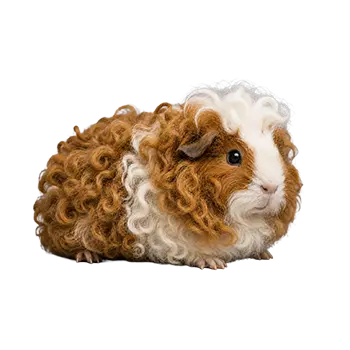

Guinea pigs are generally considered seniors around four to five years of age, though the transition is gradual and varies by individual. A Merino guinea pig with a lifespan of five to seven years may show the first signs of aging anywhere in that range. Some remain remarkably vigorous well into their fifth year, while others begin slowing down earlier. Paying attention to subtle changes in behavior and condition is more useful than relying on age alone.
The earliest signs of aging in a Merino often include a gradual decrease in activity level, slightly longer rest periods, and a coat that may lose some of its youthful bounce and density. You might notice your guinea pig is less enthusiastic about floor time or takes longer to wake up and become active during its usual alert hours. These shifts are natural, but they also signal that it is time to adjust care routines to match your Merino's evolving needs.
Once your Merino enters the senior stage, increase the frequency of veterinary checkups to at least twice a year. Older guinea pigs are more susceptible to a range of conditions including dental disease, arthritis, tumors, and organ decline. Semi-annual exams allow your veterinarian to detect problems earlier, when intervention is most likely to improve outcomes and quality of life.
It can be helpful to start a more detailed care log as your guinea pig ages. Track weekly weights, note any changes in eating habits, record how much water is consumed, and document any behavioral shifts. This information gives your veterinarian valuable context and helps you spot trends that might be easy to miss in the course of daily life.