
The First 24 Hours

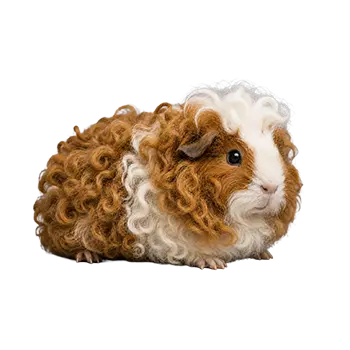
Merino guinea pig pups are precocial, meaning they arrive fully furred with their eyes open and the ability to move around almost immediately after birth. Unlike many small mammals, guinea pig newborns are remarkably developed at birth, and Merino pups are no exception. Within minutes of delivery, they will begin exploring their surroundings, though they still rely heavily on their mother for warmth and nourishment during this critical window.

The first day is an important time to observe without excessive handling. Check that all pups are breathing normally, moving freely, and appear to be nursing. Merino pups will already display the beginnings of their characteristic curly coat, though it will be short and soft at this stage. Ensure the enclosure is draft-free, clean, and quiet so the mother can bond with her litter without stress.

It is essential to confirm that each pup nurses within the first few hours. Guinea pig pups can begin nibbling on hay and soft greens within the first day, but mother's milk provides irreplaceable antibodies and nutrition. If a pup appears weak, isolated from the group, or is not nursing, contact a veterinarian experienced with cavies right away.

Weigh each pup gently using a small kitchen scale and record the weight. A healthy Merino newborn typically weighs between 60 and 120 grams depending on litter size. Daily weight tracking over the first week helps you catch any pup that is failing to thrive before the situation becomes critical.

Nursing & Nutrition

Mother's milk is the primary nutrition source for Merino pups during the first three weeks of life. Guinea pig milk is rich in fat and protein, supporting the rapid growth these animals undergo in their earliest days. The sow will nurse her pups frequently, and you should observe to make sure each pup has access and is not being pushed away by larger siblings.

Even though guinea pig pups can eat solid food remarkably early, milk remains critical. Supplement the cage with fresh timothy hay, small amounts of romaine lettuce, and a shallow dish of water so that adventurous pups can begin sampling solids within the first few days. Avoid introducing sugary fruits or starchy vegetables at this stage, as the developing digestive system is not ready for them.

Guinea pigs cannot manufacture their own vitamin C, and this requirement begins at birth. The sow passes some vitamin C through her milk, but once pups begin eating solids, offer small pieces of bell pepper or other vitamin C-rich vegetables daily. Never rely on vitamin drops added to water, as the vitamin degrades quickly and intake cannot be measured accurately.

If the mother is unable to nurse due to illness or rejection, you will need to step in with a suitable milk replacement. Consult your veterinarian for the correct formula and feeding schedule. Hand-feeding guinea pig pups is demanding and requires feedings every few hours around the clock during the first week, tapering as the pups begin eating more solid food.

Developmental Milestones

Merino guinea pig pups develop quickly compared to many other small pets. By the end of the first day, they are walking steadily and beginning to explore. Within the first week, pups will be actively running, popcorning, and interacting with cage mates. Their curly Merino coat begins to show more defined texture by the end of the second week.

By days three to five, pups are sampling hay, pellets, and fresh greens alongside continued nursing. Their teeth are fully erupted at birth, which allows this early transition to solids. You will notice pups mimicking the sow's eating behavior, learning which foods are safe by following her lead.

Weight gain is the most reliable indicator of healthy development. Pups should gain steadily each day, and a plateau or loss lasting more than 24 hours warrants veterinary attention. By two weeks of age, most Merino pups have roughly doubled their birth weight. Their coordination improves noticeably each day, and social play with littermates becomes more frequent and vigorous.

Around three weeks, the pups enter a transitional phase. Males can become sexually mature as early as three weeks of age, so separating males from the mother and female siblings by day 21 is critical to prevent unwanted pregnancies. This milestone is non-negotiable and must not be overlooked.

Temperature & Environment

Newborn Merino guinea pigs are better equipped to regulate their body temperature than many other newborn rodents, but they still benefit from a stable, warm environment. Keep the enclosure in a room that stays between 65 and 75 degrees Fahrenheit, away from windows, vents, and direct sunlight. Drafts are a serious risk for young pups and can lead to respiratory illness.

Use soft, absorbent bedding such as fleece liners or paper-based bedding. Avoid cedar and pine shavings, which release aromatic oils that can irritate the respiratory systems of both the sow and her pups. Keep the cage clean by spot-cleaning soiled areas daily and performing a full bedding change at least twice a week during the nursing period.

The cage should be spacious enough for the sow to move away from the pups when she needs a break, but not so large that tiny pups become lost or chilled. A single-level enclosure is safest for newborns, as ramps and upper levels pose a fall risk. Remove any small gaps or openings where a pup could become wedged or escape.

Provide multiple hiding spots using low-entry igloos or tunnels so the sow and pups can feel secure. Guinea pigs are prey animals, and a sense of shelter is important for reducing stress. A calm environment with minimal loud noises and sudden movements helps the mother remain relaxed and attentive to her litter.

Early Socialization

Guinea pigs are inherently social animals, and early positive experiences with humans lay the groundwork for a well-adjusted adult Merino. Begin gentle handling sessions by the second or third day of life, keeping sessions brief — just a minute or two — and always supporting the pup's body fully in your hands.

Let pups become accustomed to your scent and voice. Speak softly near the enclosure and offer small treats from your hand as the pups grow old enough to eat solids. These early associations between human presence and positive experiences build trust that lasts a lifetime. Avoid sudden movements or gripping the pups tightly, as negative early handling can create lasting fearfulness.

Socialization with other guinea pigs is equally important. Pups raised with their mother and littermates learn essential social cues, including vocalizations, body language, and appropriate play behavior. If possible, allow the pups to interact with other calm, healthy adult guinea pigs in supervised settings once they are a couple of weeks old.

Each Merino pup will have its own personality. Some will be bold explorers from the start, while others are cautious and need more patient encouragement. Respect individual temperaments and never force interaction. The goal is to create a foundation of trust and comfort, not to overwhelm a tiny animal that is still learning about the world.

Health Screening & Vet Visits

Schedule a wellness check with a cavy-experienced veterinarian within the first week of life. The vet will assess each pup for congenital issues, check for proper weight gain, examine the eyes and ears, and ensure there are no signs of respiratory distress. Guinea pigs can be prone to upper respiratory infections, and early detection makes a significant difference in outcomes.

At home, perform daily health checks yourself. Look for clear, bright eyes, clean ears, a dry nose, and an active demeanor. Check the pup's rear end for signs of diarrhea, which can be life-threatening in young guinea pigs due to rapid dehydration. Inspect the feet and nails, and listen for any wheezing, clicking, or labored breathing.

Merino guinea pigs have a curly coat that can sometimes trap debris or moisture close to the skin even at a young age. Gently part the fur to check for any signs of skin irritation, fungal infection, or parasites. Ringworm is relatively common in guinea pigs and can appear as circular patches of hair loss with flaky skin. Early treatment prevents spread to other pups and to humans.

Keep a simple health journal for the litter. Record daily weights, any observations about appetite or behavior, and the dates of veterinary visits. This log becomes invaluable if a health concern arises later, as it gives the veterinarian a clear timeline of the pup's development and any changes.

When to Worry

Despite their robust start in life, newborn Merino guinea pigs can develop problems quickly. Because of their small size, any decline can become serious within hours. Knowing the warning signs allows you to act fast and seek veterinary care before a manageable issue becomes a crisis.

Refusal to nurse or eat is the most urgent red flag. A pup that has not eaten for several hours will become lethargic and cold. Weight loss of more than a few grams in a single day, especially in the first week, signals that the pup is not getting adequate nutrition. If you notice a pup sitting hunched and separate from the group, pick it up gently and check its body temperature — a cold pup needs warming and immediate veterinary guidance.

Respiratory symptoms demand prompt attention. Sneezing, wheezing, crackling sounds during breathing, or discharge from the eyes or nose can indicate an upper respiratory infection. These infections progress rapidly in guinea pigs and can be fatal without timely treatment. Do not wait to see if symptoms improve on their own.

Diarrhea in a newborn guinea pig is an emergency. The fluid loss from even a short bout of diarrhea can cause dangerous dehydration in an animal this small. Bloating, a distended belly, or a pup that cries out when its abdomen is touched may indicate a gastrointestinal problem that needs immediate veterinary intervention. Always err on the side of caution — a quick vet visit for a false alarm is far better than waiting too long with a genuinely sick pup.

Always consult a qualified professional before making any health-related decisions. This content is provided for informational reference only and should not replace professional guidance specific to your animal.