
Breeding Readiness

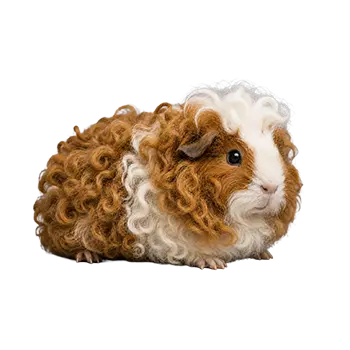
Before considering breeding a Merino guinea pig, it is essential to understand the serious responsibilities and risks involved. Guinea pig breeding is not a casual undertaking, and the decision should be made only after thorough preparation, veterinary consultation, and a clear plan for the care and placement of all offspring. The Merino's distinctive curly coat and rosette crown make it an appealing breed, but producing healthy pups requires knowledge that goes well beyond aesthetics.

Female guinea pigs reach sexual maturity as early as four to six weeks of age, while males can become fertile by three to four weeks. However, sexual maturity is not the same as breeding readiness. A Merino sow should not be bred until she is at least four months old and has reached a healthy adult weight, typically around 700 grams or more. Breeding a sow that is too young or underweight increases the risk of complications for both the mother and her pups.

There is a critical age consideration unique to guinea pigs that every potential breeder must understand. If a female guinea pig has not had her first litter before approximately seven to eight months of age, the pubic symphysis — the cartilaginous joint connecting the pelvic bones — may fuse, making natural delivery extremely difficult or impossible. Breeding a sow for the first time after this window has closed can result in a life-threatening birth emergency requiring an emergency cesarean section.

Both the prospective sire and dam should be in excellent overall health, free of known genetic issues, and have been examined by a veterinarian prior to mating. Assess temperament as well, since calm, well-socialized parents are more likely to produce pups with agreeable dispositions. Ensure you have the resources, time, and knowledge to manage the pregnancy, birth, and care of multiple pups before proceeding.

The Estrous Cycle

Female guinea pigs are polyestrous, meaning they cycle year-round without a specific breeding season. The estrous cycle in guinea pigs lasts approximately 15 to 17 days, with the sow being receptive to the boar for a brief window of roughly 6 to 11 hours during estrus. Recognizing the signs of estrus helps breeders time pairings effectively.

During estrus, a Merino sow may become more active and vocal. She may arch her back and raise her hindquarters when touched along the spine, a posture called lordosis that indicates receptivity. Some sows become more tolerant of the boar's mounting attempts, while others may be subtly receptive without obvious behavioral changes. Experienced breeders observe closely to identify the optimal mating window.

When introducing the boar to the sow for breeding, place them together in a neutral space or in the sow's enclosure where she feels secure. Supervised introductions are advisable, particularly if the pair has not been housed together previously. The boar will typically rumble-strut, circle the sow, and attempt to mount. If the sow is receptive, mating occurs quickly. If she is not in estrus, she may flee, chatter her teeth, or spray urine at the boar as a rejection signal.

After a successful mating, the sow can be confirmed pregnant through gentle abdominal palpation by an experienced veterinarian starting around two to three weeks into gestation. Some breeders keep the pair together for a couple of estrous cycles to increase the chances of conception, but be aware that the sow enters a fertile postpartum estrus within hours of giving birth. If you do not want back-to-back pregnancies, separate the boar before the sow delivers.

Pregnancy & Gestation

The gestation period for guinea pigs is notably long compared to other rodents, typically lasting 59 to 72 days, with an average of about 63 days. This extended pregnancy allows pups to develop fully in the womb, resulting in the precocial young that are characteristic of the species. During this time, the Merino sow requires attentive care and monitoring to support a healthy pregnancy.

Nutritional demands increase significantly during pregnancy. Continue offering unlimited timothy hay and increase the daily vegetable portion, with particular emphasis on vitamin C-rich foods. Many breeders and veterinarians recommend adding alfalfa hay back into the diet during pregnancy and nursing for its higher calcium and protein content. Fresh water consumption will also increase, so check the water supply frequently.

As the pregnancy progresses, the sow's abdomen will enlarge noticeably, and you may be able to feel the pups moving during the final weeks. Weigh the sow regularly — a healthy pregnant guinea pig will gain steadily, and any sudden weight loss or stall could indicate a problem. Minimize handling during the last two weeks of gestation to reduce stress, though continue daily observation and gentle health checks.

Watch for signs of pregnancy toxemia, a life-threatening metabolic condition that can strike in late pregnancy, particularly in overweight sows or those carrying large litters. Symptoms include lethargy, loss of appetite, labored breathing, muscle twitching, and a sweet or fruity odor to the breath. Pregnancy toxemia is a veterinary emergency that requires immediate professional intervention. Maintaining a healthy weight throughout pregnancy and ensuring consistent nutrition are the best preventive measures.

Birth & Delivery

Guinea pig births typically occur quickly and with little fanfare. Most sows deliver without assistance, and the entire process from the first pup to the last may take only 15 to 30 minutes, though larger litters can take longer. Merino litters usually consist of one to four pups, with two to three being the most common. The sow will clean each pup, eat the placenta, and begin nursing shortly after delivery.

Prepare the birthing environment in advance. The sow should be in a clean, quiet, familiar enclosure with soft bedding and easy access to food and water. Remove any cage mates other than female companions she is bonded with — the boar must be removed before delivery to prevent postpartum mating. Ensure the cage temperature is stable and draft-free.

During delivery, observe from a distance without intervening unless there is a clear problem. If the sow has been actively straining for more than 15 to 20 minutes without producing a pup, or if she appears to be in severe distress, contact your veterinarian immediately. Dystocia, or difficult birth, is a genuine risk in guinea pigs, especially for first-time mothers and those bred after the pelvic fusion window. A cesarean section may be necessary to save the sow and her pups.

After all pups have been delivered, check that each one is breathing, moving, and appears to be nursing. Count the placentas to confirm one was delivered for each pup, as a retained placenta can cause serious infection. The sow should appear alert and attentive to her litter within an hour of completing delivery. If she seems excessively lethargic, is bleeding heavily, or ignores the pups, contact your veterinarian for guidance.

Postpartum Care

The postpartum period demands careful attention to both the sow and her new litter. The Merino mother will begin nursing her pups immediately and will continue to be their primary food source for the first three weeks of life. Ensure the sow has access to abundant hay, fresh vegetables, and clean water to support the increased caloric demands of milk production.

Monitor the sow's weight and body condition in the days following delivery. Some weight loss is normal as she transitions from pregnancy to nursing, but dramatic or rapid decline suggests she is not eating enough to sustain herself and her litter. Supplementing her diet with alfalfa hay and additional vitamin C-rich vegetables helps meet her elevated nutritional needs during this period.

Keep the cage exceptionally clean during the postpartum weeks. Soiled bedding near newborn pups can harbor bacteria that lead to infections. Spot-clean the cage at least twice daily and perform full bedding changes more frequently than usual. Handle the pups gently beginning on the second day to start socialization, but always return them to the sow promptly so nursing is not disrupted.

Watch the sow for signs of mastitis, an infection of the mammary glands that can occur during nursing. Symptoms include swollen, reddened, or warm-to-the-touch mammary tissue, reluctance to nurse, lethargy, and fever. Mastitis requires veterinary treatment. Also observe the sow's overall demeanor — a healthy postpartum guinea pig should be alert, eating well, and attentive to her pups within the first day after delivery.

Responsible Breeding Ethics

Responsible breeding of Merino guinea pigs goes far beyond producing attractive pups. It involves a commitment to the health and welfare of every animal involved — the sow, the boar, and every member of the resulting litter. Before breeding, have a definitive plan for every potential pup. Guinea pig rescues and shelters frequently receive surrendered animals from well-intentioned but unprepared breeders, and adding to this population without secured homes is irresponsible.

Genetic health should be a primary consideration. Avoid breeding guinea pigs with known health issues, poor temperament, or conformational problems. The Merino's curly coat requires careful attention to coat quality and skin health in breeding stock. Breeding two animals with extreme coat characteristics without regard for health can amplify skin problems or create coats so dense that they trap moisture and debris, leading to chronic dermatological issues.

Breed sows conservatively. Back-to-back pregnancies are physically taxing and reduce the sow's lifespan and quality of life. Allow adequate recovery time between litters — most experienced breeders recommend waiting at least four to six months between pregnancies. Retire sows from breeding before they reach the age at which pregnancy poses elevated health risks, generally by two to three years of age.

Consider the broader picture of guinea pig welfare. Thousands of guinea pigs are in rescues and shelters awaiting homes. If your motivation for breeding is simply to have more guinea pigs or to give your children the experience of watching babies being born, adoption is a far more ethical path. Breeding should be undertaken only with clear purpose, thorough preparation, veterinary support, and guaranteed homes for every offspring.

Always consult a qualified professional before making any health-related decisions. This content is provided for informational reference only and should not replace professional guidance specific to your animal.