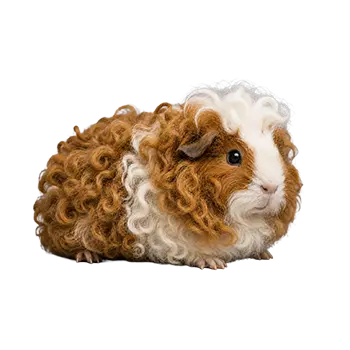

A Merino guinea pig reaches full maturity around one year of age and enters its prime years, a period that typically lasts until around four years old. During this stage, your Merino should be at its healthiest, most active, and most settled in temperament. Maintaining that peak condition requires consistent daily care and attention to subtle changes that could signal emerging problems.
Weigh your adult Merino weekly on the same day and at roughly the same time. A stable weight is one of the best indicators of ongoing health. Sudden drops of 50 grams or more, or a gradual downward trend over several weeks, should prompt a veterinary visit. Conversely, unexpected weight gain in a guinea pig receiving appropriate portions may indicate fluid retention, pregnancy in an unsuspected female, or other medical concerns.
Perform a brief hands-on health check at least once a week. Run your fingers through the curly coat feeling for lumps, scabs, or areas of thinning. Check the eyes for clarity, the nose for dryness, the ears for wax buildup or odor, and the feet for sores or overgrown nails. Inspect the incisors to make sure they are even and not overgrown. These few minutes of attention can catch issues early when they are most treatable.
Schedule a veterinary wellness exam at least once a year with a veterinarian experienced in exotic small animals. The vet will listen to the heart and lungs, palpate the abdomen, check the teeth including the molars you cannot see at home, and discuss any concerns you have noted. Annual blood work is not routine for guinea pigs but may be recommended if there are clinical signs warranting deeper investigation.