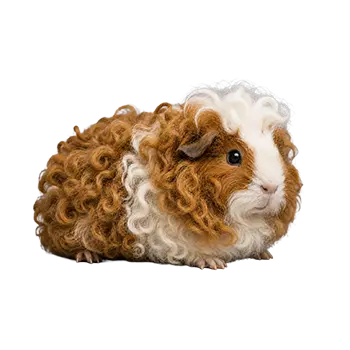

Growth & Physical Development

The juvenile period for a Merino guinea pig spans roughly from weaning at three to four weeks through about six months of age. During this time, the young cavy undergoes dramatic physical changes, gaining weight steadily and developing the full curly coat that defines the breed. Growth is most rapid between four and twelve weeks, and you should continue weighing your Merino weekly to ensure consistent gains.

A healthy juvenile Merino will gain approximately 30 to 50 grams per week during the peak growth phase. By four months, most individuals have reached roughly two-thirds of their adult body weight. Males tend to grow slightly larger and may continue filling out longer than females. Any unexplained stall in weight gain or sudden weight loss warrants a veterinary evaluation.

The Merino's signature curly coat becomes increasingly prominent during the juvenile stage. The rosette crown on top of the head becomes more defined, and the body curls grow longer and denser. This is the time to establish a regular grooming routine, as the coat will only become more demanding as it reaches full length. Getting your young guinea pig accustomed to gentle brushing and spot-cleaning now prevents struggles later.

Skeletal development is ongoing throughout this period, which makes proper nutrition especially important. The bones and joints are still forming, so avoid housing setups that require jumping from significant heights. A spacious, single-level enclosure with room to run and explore supports healthy musculoskeletal growth without risk of injury.

Nutrition & Diet Transition

By the time a Merino pup is fully weaned around three to four weeks old, its diet should consist primarily of unlimited timothy hay, a measured portion of high-quality guinea pig pellets, and a daily selection of fresh vegetables. Hay is the cornerstone of the diet at every life stage, providing the fiber essential for proper digestion and continuous tooth wear.

Juvenile guinea pigs benefit from alfalfa hay in addition to timothy hay until around six months of age. Alfalfa is higher in calcium and protein, which supports rapid growth. After six months, transition fully to timothy or orchard grass hay, as continued alfalfa feeding can contribute to bladder stones in adult cavies. Make the switch gradually by mixing the two hays over a couple of weeks.

Fresh vegetables should be offered daily, with an emphasis on vitamin C-rich options. Bell peppers, leafy greens such as romaine lettuce and cilantro, and small amounts of tomato provide essential nutrients. Introduce new vegetables one at a time and in small quantities to monitor for digestive upset. Avoid iceberg lettuce, potatoes, and any member of the onion family, as these are harmful to guinea pigs.

Fresh, clean water must be available at all times through a sipper bottle or a heavy, tip-proof bowl. Check the water source multiple times daily to ensure it is functioning and not clogged. Dehydration in a growing guinea pig can cause serious health setbacks quickly. Pellets should be plain, timothy-based, and free of colored pieces, seeds, or dried fruit, which are unhealthy fillers.

Behavioral Changes

Adolescence brings personality shifts in Merino guinea pigs. Previously docile pups may become more assertive, vocal, and energetic as hormones begin to influence behavior. Males in particular may start rumble-strutting, mounting cage mates, and displaying dominance behaviors. These changes are normal and usually settle as the guinea pig matures, but they require monitoring to ensure no cage mate is being bullied or stressed.

Juvenile Merinos are often at their most playful and curious during this stage. You will see frequent popcorning — joyful leaps and twists in the air — as well as zoomies around the enclosure. This exuberance is a sign of a happy, healthy guinea pig. Providing ample space and enrichment items like tunnels, paper bags, and safe chew toys channels this energy constructively.

Some adolescent guinea pigs go through a phase of skittishness, even if they were well-socialized as pups. They may startle more easily or resist being picked up. Patience and consistency are key during this period. Continue daily handling sessions, keeping them positive with treats and a calm voice, and the guinea pig will typically regain its confidence within a few weeks.

Vocalizations become more varied and frequent during the juvenile stage. Your Merino will develop its full repertoire of wheeks, purrs, chatters, and chirps. Learning to interpret these sounds helps you understand your guinea pig's emotional state — a loud wheek when the refrigerator opens is excitement, while teeth chattering directed at a cage mate signals irritation or a warning.

Training & Enrichment

Guinea pigs are more trainable than many people realize, and the juvenile period is the best window for building positive behaviors. Start with simple target training using a small stick or your fingertip, rewarding your Merino with a tiny piece of vegetable each time it touches the target. This basic exercise builds communication between you and your pet and can be expanded into more complex tricks.

Litter training is partially achievable with guinea pigs. Observe where your Merino tends to eliminate most frequently and place a small litter tray in that corner with a different substrate than the main bedding. While guinea pigs will never be as reliably litter-trained as rabbits, many will use the tray for a majority of their droppings, which simplifies cage maintenance.

Enrichment is essential for a juvenile Merino's mental well-being. Rotate toys and hideaways regularly to maintain novelty. Foraging activities, such as hiding vegetable pieces inside a crumpled paper ball or a hay-stuffed toilet paper roll, encourage natural exploration behaviors and keep boredom at bay. A bored guinea pig can develop unwanted habits like excessive bar chewing or barbering its own coat.

Floor time outside the cage provides critical exercise and stimulation. Set up a guinea pig-safe area with barriers, ensuring no exposed electrical cords, toxic plants, or small spaces where the animal could become stuck. Supervised floor time for at least 30 minutes daily allows your Merino to stretch its legs, explore new textures, and interact with you in a more open environment.

Exercise & Activity

Active daily movement is vital for a growing Merino guinea pig. Unlike hamsters and rats, guinea pigs do not typically use exercise wheels, and wheels can actually injure their spines due to the curvature required. Instead, provide exercise through a large enclosure and regular supervised time in a safe, open play area.

The minimum enclosure size for a single guinea pig is approximately 7.5 square feet, but more is always better, especially during the active juvenile phase. For a pair of guinea pigs, aim for at least 10.5 square feet. A spacious habitat encourages natural running, exploring, and social interaction, all of which contribute to physical fitness and mental health.

Create an engaging layout within the enclosure using tunnels, bridges, and platforms at safe heights. Rearranging these elements periodically encourages renewed exploration. Young Merinos enjoy investigating changes to their environment, and this simple enrichment strategy requires no additional purchases — just move things around every week or two.

Outdoor time in a secure, predator-proof pen can be a wonderful supplement to indoor exercise when weather permits. Ensure the grass has not been treated with pesticides or fertilizers, provide shade and water, and never leave the guinea pig unsupervised outdoors. Even a few minutes in an unfamiliar environment provides a rich sensory experience that benefits your Merino's overall development.

Spay & Neuter Considerations

Male guinea pigs can be neutered to allow them to live safely with females without the risk of unwanted litters. The procedure is relatively routine when performed by a veterinarian experienced with small exotic animals, but it does carry anesthetic risk, as guinea pigs are more sensitive to anesthesia than dogs or cats. Discuss the benefits and risks thoroughly with your vet before scheduling.

Neutering a male Merino does not dramatically change temperament in most cases, though it may reduce some hormone-driven behaviors like mounting and scent marking. The primary reason for the procedure is population control. Guinea pigs reproduce prolifically, and accidental pregnancies contribute to the number of cavies in rescues and shelters.

Spaying female guinea pigs is a more invasive procedure and carries higher surgical risk. It is generally recommended only when there is a medical reason, such as ovarian cysts, which are common in sows. Routine spaying purely for population control is less commonly advised for females due to the surgical complexity. Housing females separately from intact males is the simpler and safer alternative.

If you choose to have your male Merino neutered, follow all post-operative instructions carefully. Keep the recovery area clean, monitor the incision site for swelling or discharge, and restrict activity as directed by your veterinarian. Note that a recently neutered male can still impregnate a female for several weeks after surgery, so maintain separation during the post-operative waiting period your vet recommends.

Socialization & Bonding

Guinea pigs are herd animals, and a juvenile Merino thrives with at least one compatible companion. Solitary guinea pigs can become depressed, withdrawn, and prone to stress-related health issues. If you have a single guinea pig, strongly consider adopting a second, keeping in mind that introductions should be done carefully and gradually.

Introducing a juvenile Merino to a new cage mate is best done in a neutral space that neither animal has claimed as territory. Provide multiple hiding spots and food stations so neither guinea pig feels cornered. Some rumble-strutting, chasing, and mild nipping are normal parts of establishing a social hierarchy. Intervene only if there is aggressive biting that draws blood or sustained, one-sided bullying.

Same-sex pairs or groups are the most common housing arrangement for pet guinea pigs. Two females typically bond with the least drama, while two males can coexist well if introduced young and given adequate space. Avoid housing intact males and females together unless you are prepared for frequent litters. A neutered male with one or more females is another harmonious combination.

Continue building your own bond with your juvenile Merino through daily handling, lap time, and gentle grooming sessions. Offer a favorite treat during these interactions so your guinea pig associates being held with positive experiences. Over time, most Merinos become relaxed and affectionate companions that vocalize excitedly when they hear your voice or footsteps approaching.

Always consult a qualified professional before making any health-related decisions. This content is provided for informational reference only and should not replace professional guidance specific to your animal.