
When Does Senior Begin?

Lunkarya guinea pigs are generally considered senior once they reach four to five years of age, though the transition is gradual rather than abrupt. With a typical lifespan of five to seven years, a Lunkarya entering its fifth year has likely passed the midpoint of its life and may begin showing subtle signs of aging. Some individuals remain vigorous well into their later years, while others slow down noticeably before their fourth birthday. Genetics, diet, veterinary care, and overall living conditions all influence how gracefully a guinea pig ages.

The earliest signs of aging are often behavioral rather than physical. A senior Lunkarya may sleep more during the day, show less enthusiasm for floor time, or become pickier about food. These changes can be easy to overlook because they develop slowly, but paying attention to shifting patterns helps owners distinguish normal aging from illness.

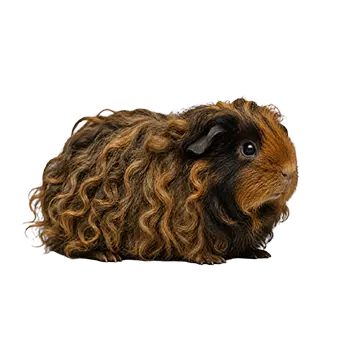
Physical changes accompany the behavioral ones. The Lunkarya's once-robust coat may thin slightly, lose some of its spring, or develop a coarser texture. Nails may grow faster or become more brittle. Some seniors develop a slightly bony feel along the spine and hips as muscle mass gradually decreases, even if their weight remains stable.

Recognizing the onset of the senior stage allows you to adjust care proactively. More frequent veterinary visits, dietary modifications, and environmental accommodations can all extend your guinea pig's comfortable, active years. The goal is not to prevent aging but to support your Lunkarya through it with the best possible quality of life.

Mobility & Joint Health

Reduced mobility is one of the most common challenges facing senior Lunkarya guinea pigs. Arthritis and general joint stiffness can make it difficult for an older cavy to move around the enclosure, climb over obstacles, or maintain the active lifestyle it enjoyed in its younger years. You may notice your guinea pig hesitating before stepping over a low barrier or favoring one side when walking.

Environmental modifications can make a significant difference. Remove ramps, elevated platforms, and any features that require climbing. Ensure that food dishes, water bottles, and hay racks are accessible at floor level. If you use a C&C cage with a loft area, block access to the upper level so the guinea pig is not tempted to attempt a climb it can no longer manage safely.

Soft, supportive bedding becomes more important as joints stiffen. Thick fleece liners with an absorbent layer underneath provide cushioning that hard cage bottoms and thin bedding layers cannot. Some owners add extra fleece pads in the guinea pig's preferred resting spots to create a more comfortable surface for prolonged lying down.

Gentle daily handling and movement can help maintain some degree of joint flexibility. Encourage your senior Lunkarya to walk during floor time rather than simply sitting in one spot, but do not force activity. Let the guinea pig set its own pace. If you observe limping, reluctance to move, or vocalizations during movement, consult a veterinarian about pain management options appropriate for small exotic animals.

Cognitive Changes

While cognitive decline in guinea pigs is not as well studied as in dogs or cats, many experienced cavy owners report behavioral changes in their senior animals that suggest reduced mental sharpness. A Lunkarya that once responded instantly to the sound of a vegetable bag crinkling may react more slowly or not at all. Familiar routines may seem to confuse an older guinea pig, and some seniors become more easily startled than they were in their prime.

Maintaining a consistent daily routine provides a sense of security for a senior guinea pig whose cognitive abilities may be waning. Feed at the same times each day, keep the enclosure layout stable, and avoid unnecessary changes to the environment. Predictability reduces anxiety and helps the guinea pig navigate its world with confidence even as its senses and processing speed decline.

Social interaction remains important for cognitive health. If your senior Lunkarya has a younger cage mate, the companionship can provide gentle stimulation and comfort. However, monitor the dynamic carefully to ensure the younger guinea pig is not overwhelming or bullying the older one. A gentle, compatible companion is a tremendous asset for a senior cavy, while an aggressive one creates chronic stress.

Simple enrichment activities tailored to a senior's abilities can help keep the mind engaged. Place a familiar treat in a slightly new location within the enclosure, offer a new type of hay to explore, or introduce a soft fabric tunnel for investigation. The goal is gentle novelty, enough to spark curiosity without causing frustration or anxiety.

Nutrition for Aging

The nutritional needs of a senior Lunkarya shift as metabolism slows and the body becomes less efficient at absorbing nutrients. Timothy hay remains the dietary foundation, but some seniors develop dental issues that make chewing coarse hay difficult. If your guinea pig is eating less hay than usual, try offering softer varieties like orchard grass or botanical hay blends that may be easier to manage. Critical care or recovery food formulas designed for guinea pigs can supplement the diet if hay consumption drops significantly.

Vitamin C requirements may actually increase with age as the aging body becomes less efficient at utilizing available nutrients. Continue providing vitamin C-rich vegetables daily, and discuss supplementation with your veterinarian if you suspect your guinea pig is not getting enough through diet alone. Signs of vitamin C deficiency include a rough or dull coat, swollen joints, lethargy, and reluctance to eat.

Weight management requires careful attention in senior cavies. Some lose weight as appetite decreases or dental problems develop, while others gain weight due to reduced activity. Weekly weigh-ins help you track trends and adjust feeding accordingly. A guinea pig that loses more than fifty grams over several weeks without an obvious dietary change should be seen by a veterinarian.

Hydration becomes especially important as guinea pigs age. Monitor water intake and consider offering water-rich vegetables like cucumber and romaine lettuce to supplement fluid intake. Some seniors drink less from a bottle due to neck stiffness, so providing a shallow, stable water dish as an alternative can help ensure adequate hydration.

Increased Veterinary Care

Senior Lunkarya guinea pigs benefit from veterinary checkups every three to six months rather than the annual or biannual visits sufficient for younger animals. More frequent examinations allow a veterinarian to catch age-related conditions early, when treatment is most effective and least invasive. Common senior guinea pig health concerns include dental disease, urinary tract stones, ovarian cysts in intact females, heart disease, and tumors.

Dental problems become increasingly common with age. Even guinea pigs that have enjoyed perfect dental health throughout their lives may develop molar spurs, elongated roots, or abscesses as they age. These conditions can make eating painful and lead to rapid weight loss if not addressed. Your veterinarian can perform oral examinations and dental procedures under sedation when necessary.

Urinary issues, particularly bladder stones and sludge, are a frequent concern in aging guinea pigs. Symptoms include straining to urinate, blood in the urine, vocalizing during urination, and a hunched posture. Radiographs can confirm the presence and size of stones, and your veterinarian can recommend dietary adjustments or surgical intervention depending on the severity.

Keep a detailed health journal for your senior Lunkarya. Record daily weight, food intake, water consumption, droppings quality, and any behavioral changes. This information is invaluable during veterinary visits and helps both you and your veterinarian identify subtle trends that might otherwise go unnoticed between appointments.

Quality of Life Assessment

Evaluating quality of life is one of the most important and emotionally challenging responsibilities of caring for a senior guinea pig. As your Lunkarya ages, there may come a time when daily comfort diminishes despite your best efforts. Developing a clear, objective framework for assessing quality of life helps you make informed decisions grounded in your guinea pig's wellbeing rather than solely in your own emotional attachment.

Several factors contribute to a guinea pig's quality of life. Is the animal eating and drinking with interest? Can it move around its enclosure without obvious pain or distress? Does it still respond to social interaction with its owner or cage mate? Is it keeping itself reasonably clean, or has grooming stopped entirely? A guinea pig that is still engaged with its environment, even at a reduced level, is generally experiencing an acceptable quality of life.

Pain assessment in guinea pigs can be difficult because they are prey animals that instinctively hide signs of weakness. Subtle indicators of pain include teeth grinding, a puffed or hunched posture, half-closed eyes, reduced vocalization, and reluctance to be touched. If you suspect your Lunkarya is in pain, consult your veterinarian about appropriate pain management strategies.

Having an honest, ongoing conversation with your veterinarian about your senior guinea pig's trajectory is essential. Together, you can monitor trends in weight, mobility, appetite, and behavior to determine when supportive care is sufficient and when the balance may be shifting toward more suffering than comfort. This is never an easy discussion, but approaching it with openness and compassion ensures that your guinea pig's final chapter is as dignified and pain-free as possible.

Always consult a qualified professional before making any health-related decisions. This content is provided for informational reference only and should not replace professional guidance specific to your animal.