
The First 24 Hours

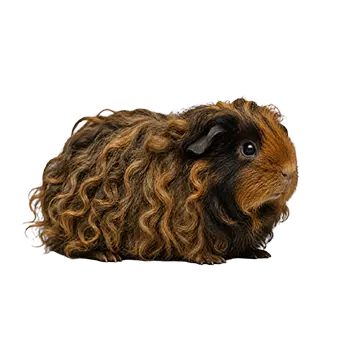
Lunkarya guinea pigs are born precocial, meaning they arrive fully furred with open eyes and the ability to move around almost immediately. A typical litter consists of one to four pups, and each newborn will already display the beginnings of the breed's signature curly, dense coat. Within minutes of birth, the mother will clean each pup and consume the placenta, which provides essential nutrients and helps keep the nesting area sanitary.

During the first day, it is crucial to observe the pups without excessive handling. Confirm that each newborn is breathing normally, moving independently, and appears free of visible deformities. Lunkarya pups are remarkably self-sufficient compared to many other small mammals, but they still depend entirely on their mother's warmth and milk during this initial period.

Keep the enclosure calm and dimly lit to reduce stress on both the mother and her litter. Avoid introducing other adult guinea pigs into the space during this time, as even familiar cage mates can inadvertently injure or stress the tiny pups. Provide the mother with fresh hay, water, and vitamin C-rich vegetables so she can recover from delivery while maintaining her milk supply.

If a pup appears lethargic, refuses to nurse, or feels noticeably cold to the touch, contact a veterinarian experienced with guinea pigs right away. Early intervention in the first twenty-four hours can make the difference between a thriving pup and one that fails to survive.

Nursing & Nutrition

Although Lunkarya pups can nibble on solid food within hours of birth, mother's milk remains their primary nutrition source for the first two to three weeks. Guinea pig milk is rich in fat and protein, providing the concentrated energy newborns need for rapid growth. Ensure the mother has unlimited access to high-quality timothy hay, fresh leafy greens, and a vitamin C supplement to support her milk production.

Pups will begin sampling hay, pellets, and vegetables alongside nursing within the first few days. This is normal and should be encouraged by placing small piles of alfalfa hay and finely chopped bell pepper or romaine lettuce at ground level where pups can reach them easily. Alfalfa hay is preferred over timothy for very young guinea pigs because of its higher calcium and protein content, which supports skeletal development.

Fresh water should always be available in a low-mounted bottle or a shallow, stable dish that pups cannot tip over or drown in. Some breeders offer a secondary water source at pup height to make sure every member of the litter can drink independently as they grow.

If the mother is unable to nurse due to illness or rejection, a veterinarian can recommend a suitable milk replacement formula. Syringe feeding every two to three hours may be necessary for orphaned or rejected pups, but this should always be done under veterinary guidance to avoid aspiration.

Developmental Milestones

Lunkarya pups develop quickly. By the end of their first day, most pups are walking steadily and exploring their immediate surroundings. Within the first week, they will begin running, popcorning, and vocalizing with soft wheeks and purrs. Their curly coat will already be visible, though it takes several months for the full Lunkarya texture to develop completely.

By the end of the second week, pups typically double their birth weight. Regular weigh-ins using a kitchen scale are an excellent way to track healthy growth. A pup that fails to gain weight or begins losing weight needs veterinary attention promptly. Consistent daily weight gain is one of the most reliable indicators of overall health in neonatal guinea pigs.

Around three weeks of age, pups are usually fully weaned and eating solid food independently. At this stage, male pups should be separated from their mother and female siblings to prevent early and potentially dangerous pregnancies. Female pups can remain with the mother longer but should also be socialized with other guinea pigs to promote healthy herd behavior.

Between three and five weeks, young Lunkaryas become increasingly confident and playful. Their personalities begin to emerge clearly, and their coat starts to take on more of the distinctive wavy and tangled texture that defines the breed.

Temperature & Environment

Newborn Lunkarya guinea pigs are better equipped to handle temperature than many small mammal neonates thanks to their full fur coats, but they still rely on the ambient warmth of the enclosure and their mother's body heat. The ideal room temperature for a litter is between 65 and 75 degrees Fahrenheit. Avoid placing the enclosure near windows, heating vents, or air conditioning units that could create temperature fluctuations.

Bedding should be soft, absorbent, and free of aromatic oils. Fleece liners or paper-based bedding work well and are less likely to irritate sensitive newborn skin or become tangled in the Lunkarya's developing curls. Cedar and pine shavings should be avoided entirely, as the phenols they release can cause respiratory distress in guinea pigs of any age.

The enclosure should be spacious enough for the mother to move away from the pups briefly when she needs rest, but small enough that pups cannot wander far and become chilled. A solid-bottomed cage with low sides or a C&C grid setup with close bar spacing prevents pups from escaping. Cover any gaps wider than one inch, as newborns are surprisingly small and can squeeze through openings that seem too narrow.

Keep the living area clean by spot-cleaning soiled bedding daily and performing a full bedding change every few days. A hygienic environment reduces the risk of bacterial infections, which newborn guinea pigs are particularly vulnerable to.

Early Socialization

Guinea pigs are inherently social animals, and the Lunkarya is no exception. Early socialization during the newborn period lays the groundwork for a well-adjusted, confident adult. Begin gentle handling sessions around the third or fourth day of life, keeping each session brief and close to the enclosure so pups feel secure.

Speak softly and move slowly when interacting with the litter. Lunkarya pups may startle easily at sudden sounds or movements, so a calm environment during handling sessions helps them associate human contact with safety. Gradually increase the length of handling sessions as the pups grow more comfortable, aiming for a few minutes several times a day by the end of the second week.

Exposure to normal household sounds such as voices, music, and kitchen activity is beneficial as long as the volume remains moderate. Pups raised in an overly quiet environment may become skittish adults that startle at everyday noises. Conversely, constant loud noise can cause chronic stress, so aim for a balanced auditory environment.

If the mother is calm and trusting during handling, her pups are more likely to accept human interaction readily. A nervous or aggressive mother may need additional time and patience before her pups can be handled without causing her distress.

Health Screening & Vet Visits

Schedule an initial veterinary wellness check within the first week of life if possible. A veterinarian experienced with guinea pigs can assess each pup for congenital issues, check for proper weight gain, and confirm that the mother is healthy and producing adequate milk. This visit also establishes a medical record for each animal, which is valuable for ongoing care.

During daily home checks, examine each pup for clear eyes, clean nostrils, and dry fur around the rear end. Wetness or soiling near the hindquarters can indicate diarrhea, which is a serious and potentially fatal condition in neonatal guinea pigs. Listen for any clicking, wheezing, or labored breathing, as respiratory infections can escalate rapidly in young cavies.

Guinea pigs cannot synthesize their own vitamin C, and this requirement begins at birth. While nursing pups receive some vitamin C through their mother's milk, supplementing the mother's diet with vitamin C-rich vegetables like bell peppers, kale, and parsley ensures adequate transfer. Once pups begin eating solid food, they should have direct access to these same vegetables.

Keep a small notebook or digital log to track each pup's daily weight, eating habits, and any behavioral observations. This record becomes invaluable if a health concern arises, allowing you and your veterinarian to identify trends and intervene early.

When to Worry

Despite their hardy appearance, newborn Lunkarya guinea pigs can decline rapidly when something goes wrong. Weight loss or failure to gain weight over two consecutive days is one of the earliest and most reliable warning signs. A healthy pup should gain a few grams each day during the first few weeks, and any stagnation warrants a closer look at nursing behavior and overall vitality.

Lethargy is another red flag. While newborn guinea pigs sleep frequently, a pup that remains still and unresponsive when its littermates are active may be ill. Similarly, a pup that is consistently pushed away from the mother during nursing or that cannot compete with its siblings for a teat may need supplementary feeding.

Respiratory symptoms demand immediate veterinary attention. Guinea pigs are prone to upper respiratory infections caused by bacteria such as Bordetella and Streptococcus, and these infections can become life-threatening within days in a newborn. Nasal discharge, sneezing, crusty eyes, or audible breathing are all cause for concern.

Diarrhea or a bloated abdomen can indicate gastrointestinal distress, which may result from bacterial imbalance, inappropriate food, or an underlying congenital condition. Do not attempt to treat these symptoms at home with over-the-counter remedies. A veterinarian can provide appropriate diagnostics and treatment tailored to the fragile physiology of a neonatal guinea pig.

Always consult a qualified professional before making any health-related decisions. This content is provided for informational reference only and should not replace professional guidance specific to your animal.