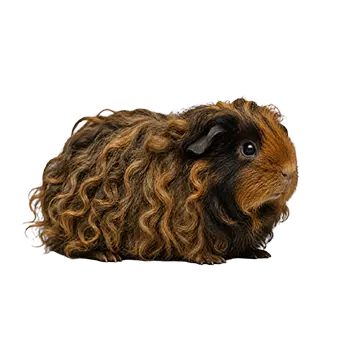

Before considering breeding a Lunkarya guinea pig, it is essential to evaluate whether both the prospective sire and dam are physically mature, healthy, and temperamentally suited for reproduction. Female guinea pigs reach sexual maturity as early as four to five weeks of age, but breeding should not be attempted until a sow is at least four to six months old and has reached a healthy adult weight. Breeding too young places undue stress on a body that has not finished growing and increases the risk of complications during pregnancy and delivery.
A critical consideration specific to guinea pigs is the age at which a female has her first litter. If a sow has never been bred before and is older than approximately seven to eight months, her pelvic bones may have fused in a way that makes natural delivery extremely difficult or impossible. This condition, known as dystocia, can be life-threatening for both the mother and her pups. Any first-time breeding of a female should occur before this window closes.
Both the male and female should be examined by a veterinarian experienced with guinea pigs before breeding. The vet can assess overall health, check for signs of genetic conditions, evaluate dental alignment, and confirm that neither animal carries parasites or infections that could be transmitted to offspring. A clean bill of health from both parents gives the litter the best possible start.
Temperament matters as well. Lunkaryas are generally gentle and sociable, but individual personalities vary. Breeding nervous, aggressive, or chronically stressed guinea pigs is not advisable, as temperament has a heritable component and stressed parents are more likely to experience complications during pregnancy and nursing.