
Peak Health Maintenance

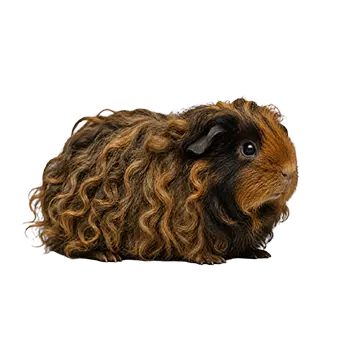
A Lunkarya guinea pig reaches full adulthood at roughly six to eight months of age and enters its prime years, a period that typically extends until around four years old. During this time, the guinea pig is at its most robust, with a fully developed immune system, stable weight, and a magnificent coat of dense, spiraling curls. Maintaining this peak condition requires consistent attention to diet, hygiene, environment, and veterinary care.

Weekly weigh-ins remain a valuable habit even after a guinea pig has reached its adult size. A stable weight is one of the simplest and most reliable indicators of good health. An adult Lunkarya typically weighs between 900 and 1,200 grams, with males generally on the heavier end. Sudden weight changes of more than fifty grams in either direction over the course of a week warrant investigation, as they can signal dental problems, illness, or nutritional imbalance.

Daily observation is equally important. Spend a few minutes each day watching your Lunkarya move, eat, drink, and interact with cage mates. Healthy adult guinea pigs are alert, vocally responsive, and eager for food. Any deviation from an individual's normal behavior, whether it is reduced appetite, reluctance to move, or unusual quietness, is worth noting and monitoring closely.

A clean, well-maintained living environment supports peak health. Spot-clean soiled bedding daily and perform thorough cage changes at least once a week. Ensure adequate ventilation without drafts, and keep the enclosure away from direct sunlight and temperature extremes. A consistent routine of cleanliness reduces the risk of respiratory infections, fungal skin conditions, and bumblefoot, all of which are common concerns in guinea pigs.

Nutrition at Maturity

The dietary needs of an adult Lunkarya differ from those of a growing juvenile. Timothy hay should now form the cornerstone of the diet, providing essential fiber for digestive health and continuous dental wear. Unlimited access to fresh timothy, orchard grass, or a blend of grass hays ensures the guinea pig can eat throughout the day, which mirrors its natural grazing behavior.

Fresh vegetables rich in vitamin C should be offered daily. Bell peppers are among the best sources, along with leafy greens such as romaine lettuce, green leaf lettuce, and cilantro. Cruciferous vegetables like broccoli and kale can be offered in moderation, as excessive amounts may contribute to gas and bloating. Introduce new vegetables gradually to avoid digestive upset, and remove any uneaten fresh food within a few hours to prevent spoilage.

Pellets should be limited to a small measured portion each day, roughly one-eighth of a cup per guinea pig. Choose a plain, timothy-based pellet with added vitamin C and avoid mixes that contain seeds, nuts, or dried fruit. These extras can lead to selective feeding and contribute to obesity, which places unnecessary strain on the guinea pig's small frame and joints.

Fruit should be treated as an occasional indulgence rather than a dietary staple. Small pieces of strawberry, apple without seeds, or blueberry can be offered once or twice a week. The sugar content in fruit can disrupt the delicate balance of gut flora if given too frequently, so moderation is key. Always prioritize hay and vegetables as the primary dietary components.

Exercise & Enrichment

Adult Lunkarya guinea pigs need daily opportunities for physical activity beyond their enclosure. Floor time in a safe, enclosed area allows them to stretch their legs, explore, and engage with their environment in ways that a cage alone cannot provide. Aim for at least thirty minutes to an hour of supervised floor time each day, more if space and schedule permit.

The Lunkarya's long, dense coat can sometimes make it appear less active than smooth-coated breeds, but this is often an illusion created by the volume of fur rather than a lack of energy. Most adult Lunkaryas are enthusiastic about exploring new spaces, investigating tunnels, and chasing cage mates during playtime. Providing a variety of tunnels, ramps, and hiding spots encourages movement and keeps the experience engaging.

Mental stimulation is just as important as physical exercise. Foraging activities, such as hiding vegetable pieces inside hay-stuffed cardboard tubes or placing treats beneath overturned paper cups, encourage problem-solving behavior. Rearranging cage furniture every week or two gives the guinea pig new territory to investigate without the stress of an entirely new environment.

Social interaction is a powerful form of enrichment for this highly social breed. If your Lunkarya lives with a companion, much of its daily enrichment comes naturally from grooming, vocalizing, and playing with its cage mate. Solo guinea pigs require more intentional human interaction to compensate for the absence of a herd, so plan extra handling and lap time into your daily routine.

Preventive Health Care

Routine veterinary checkups are an essential component of adult Lunkarya care. A wellness visit every six to twelve months allows a veterinarian to assess dental health, listen to the heart and lungs, palpate the abdomen, and check for early signs of common conditions such as ovarian cysts in females or urinary stones in both sexes. Early detection of these issues significantly improves treatment outcomes.

Dental health deserves particular attention. Guinea pig teeth grow continuously throughout life, and if they do not wear evenly through normal hay consumption, malocclusion can develop. Signs of dental trouble include drooling, dropping food, weight loss, and a preference for soft foods over hay. A veterinarian can trim overgrown teeth and evaluate the alignment of the molars, which are not visible without specialized equipment.

Skin and coat health are closely linked in the Lunkarya. The breed's thick, curly fur can harbor fungal infections such as ringworm or provide a haven for parasites like mites and lice if hygiene is neglected. Regular gentle inspection of the skin beneath the coat helps catch these problems early. If you notice excessive scratching, flaking, hair loss, or reddened patches, schedule a veterinary visit promptly.

Vitamin C supplementation remains critical throughout adulthood. Because guinea pigs cannot synthesize this essential nutrient, they depend entirely on dietary sources. If your veterinarian determines that your Lunkarya's diet does not provide sufficient vitamin C, a liquid supplement administered by syringe may be recommended. Avoid adding vitamin C to the water bottle, as it degrades rapidly and alters the taste of the water, potentially reducing intake.

Coat Care & Grooming

The Lunkarya's defining feature, its dramatic coat of long, coarse, spiraling curls, requires more grooming attention than most guinea pig breeds. Unlike the Peruvian or Silkie, whose coats are silky and flow in relatively uniform sheets, the Lunkarya's fur grows in dense, tangled waves that resist smoothing. This texture is part of the breed's charm but also means that debris, hay fragments, and bedding particles can become trapped in the coat.

Gentle brushing or combing two to three times per week helps prevent mats from forming and removes trapped material. Use a wide-toothed comb or a soft bristle brush, and work from the tips of the fur toward the skin to avoid pulling. If mats do form, carefully tease them apart with your fingers or trim them out with blunt-tipped scissors. Never pull a mat forcefully, as guinea pig skin is surprisingly thin and tears easily.

Bathing should be infrequent, no more than once every few months unless the guinea pig is soiled or has a skin condition that requires medicated bathing. Use lukewarm water and a gentle, unscented shampoo formulated for small animals. Rinse thoroughly to remove all soap residue, and dry the guinea pig completely with a towel. The Lunkarya's dense coat holds moisture for a long time, and a damp guinea pig is vulnerable to chilling and fungal skin infections.

Trimming the coat around the rear end helps maintain hygiene by preventing fecal matter and urine from accumulating in the fur. Some owners also trim the belly and sides to a manageable length while preserving the dramatic appearance of the coat on top and along the sides. This practical approach reduces grooming time without sacrificing the breed's distinctive look.

Dental & Nail Care

Guinea pig teeth grow continuously at a rate of approximately two to three millimeters per week. In a healthy adult Lunkarya with unlimited access to hay, the incisors and molars wear naturally through the abrasive action of chewing fibrous material. However, some individuals develop uneven wear patterns or malocclusion that require veterinary intervention. Regular visual checks of the front incisors can reveal obvious overgrowth, but molar problems are only detectable through a professional oral examination.

Providing a variety of hay types and safe chewing materials supports even dental wear. Untreated wooden chew sticks, willow balls, and compressed hay cubes give the guinea pig additional opportunities to gnaw and grind. Avoid mineral blocks and salt licks, as these provide unnecessary minerals and do little for dental health despite common misconceptions.

Nail trimming is a routine grooming task that should be performed every three to four weeks. Guinea pig nails grow continuously and can curl under if left unattended, causing discomfort and difficulty walking. Use small animal nail clippers or human nail clippers and trim just the tip, avoiding the quick, which is the pink blood vessel visible inside lighter-colored nails. For guinea pigs with dark nails, trim conservatively and use a flashlight to illuminate the quick from behind.

If you are uncomfortable trimming nails yourself, most veterinarians and some pet groomers offer the service for a nominal fee. Having a second person gently restrain the guinea pig while you clip makes the process faster and less stressful for both the animal and the handler. Offering a favorite treat immediately after trimming helps build a positive association with the experience.

Always consult a qualified professional before making any health-related decisions. This content is provided for informational reference only and should not replace professional guidance specific to your animal.