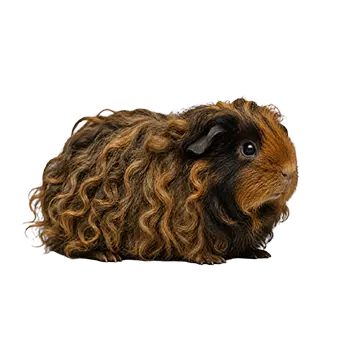

The juvenile period for a Lunkarya guinea pig spans roughly from weaning at three weeks through approximately five to six months of age. During this window, the young cavy undergoes dramatic physical changes, gaining weight steadily and developing the muscular frame that will carry it through adulthood. Weekly weigh-ins remain important during this stage, as consistent weight gain is one of the best indicators of proper nutrition and overall health.
One of the most visually striking changes during the juvenile phase is the maturation of the Lunkarya's coat. The soft, loosely curled fur of infancy gradually transforms into the breed's characteristic dense, coarse, and deeply waved locks. This coat transition can look uneven or scraggly at times, which is perfectly normal. The full Lunkarya texture typically does not settle into its final form until the guinea pig is well past six months old.
Bone development is rapid during this stage, and adequate calcium intake is essential. Juvenile Lunkaryas should have access to alfalfa hay, which provides more calcium and protein than timothy hay. As the guinea pig approaches four to five months of age, a gradual transition to timothy hay can begin, reducing the risk of bladder stones that excess calcium can cause in older cavies.
Male and female juveniles grow at slightly different rates. Males tend to be larger overall and may continue adding mass for a longer period. Regardless of sex, a juvenile Lunkarya that suddenly stops gaining weight or begins losing grams should be evaluated by a veterinarian to rule out dental problems, parasites, or other underlying conditions.