
When Does Senior Begin?

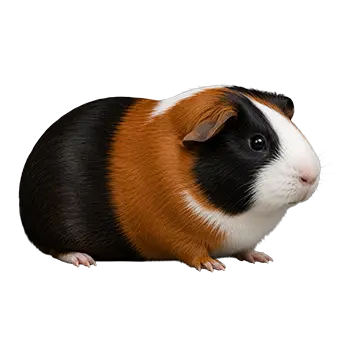
American Guinea Pigs are generally considered to enter their senior years at around four to five years of age, though the transition from prime adulthood to old age is gradual rather than sudden. With a typical lifespan of five to seven years, the senior period can represent a significant portion of a guinea pig's life, and the quality of care provided during these later years has a profound impact on both longevity and comfort. Some exceptionally well-cared-for Americans have been known to live beyond seven years, though this is the exception rather than the rule.

The onset of aging varies between individuals and is influenced by genetics, diet, lifetime care quality, and the presence or absence of chronic health conditions. You may begin to notice subtle changes that signal the transition to senior status: a gradual reduction in activity levels, less frequent popcorning, a preference for resting in familiar spots rather than exploring, and a slight decrease in appetite. These changes are normal and expected, but they should be monitored carefully because the same symptoms can also indicate developing illness.

Once your American Guinea Pig reaches the four-year mark, it is wise to increase veterinary visits from annually to every six months. Senior guinea pigs are more susceptible to a range of age-related conditions including heart disease, tumors, cataracts, arthritis, and kidney dysfunction. Twice-yearly checkups give your veterinarian the opportunity to catch these conditions early and manage them proactively, which can significantly extend your guinea pig's comfortable lifespan.

Adjusting your expectations and care approach for a senior guinea pig is an important part of responsible ownership. An older cavy may not be as eager to play or as responsive to stimulation as it once was, but it still needs daily interaction, mental enrichment, and a clean, comfortable environment. The senior years can be a deeply rewarding period of gentle companionship, and many owners find that the quieter pace of an aging guinea pig brings its own unique form of closeness.

Mobility & Joint Health

Arthritis and reduced mobility are among the most common challenges facing senior American Guinea Pigs. While guinea pigs do not typically show the dramatic joint changes seen in larger animals, the cumulative wear on their small joints over several years can lead to stiffness, reluctance to move, difficulty climbing over cage barriers, and changes in posture. An aging guinea pig may sit more frequently, move with a slower or stiffer gait, and avoid activities that were once routine.

Environmental modifications can make a significant difference in the comfort and safety of a guinea pig with reduced mobility. Remove or lower any ramps and elevated platforms that require climbing, as falls from even modest heights can cause fractures in brittle senior bones. Ensure that food, water, hay, and hiding spots are all accessible on a single level without requiring the guinea pig to navigate obstacles. If the cage has a lip or edge that must be stepped over to access certain areas, consider modifying the layout to eliminate these barriers.

Bedding choice becomes even more important for senior guinea pigs with joint issues. Soft, cushioned bedding such as fleece liners over absorbent padding provides a gentler surface for arthritic feet and joints than paper or wood-based substrates. Fleece also has the advantage of staying dry on the surface when properly layered, reducing the risk of bumblefoot, which senior guinea pigs are particularly vulnerable to due to reduced mobility and potentially compromised circulation in the extremities.

While vigorous exercise may no longer be appropriate or desired, gentle activity should still be encouraged. Short floor time sessions on soft surfaces like carpet or fleece allow the senior guinea pig to move at its own pace without the pressure of navigating a large space. Light massage of the legs and body during handling sessions can help maintain circulation and provide comfort. If you suspect your guinea pig is in pain, consult your veterinarian about appropriate management options, as untreated chronic pain significantly diminishes quality of life.

Cognitive Changes

Cognitive decline in senior guinea pigs is less well documented than in companion animals like dogs, but experienced owners and exotic animal veterinarians do observe behavioral changes in aging cavies that suggest some degree of cognitive shift. Understanding these changes helps owners provide appropriate support and avoid misinterpreting normal aging processes as signs of acute illness.

A senior American Guinea Pig may become less responsive to familiar stimuli such as the sound of a food bag or the owner's voice. Where a younger guinea pig would wheek loudly at the first rustle of a vegetable bag, an older animal may respond more slowly or not at all. This reduced responsiveness can reflect a combination of factors including diminished hearing, reduced sensory acuity, and genuine changes in cognitive processing. It is important not to assume that a quieter, less reactive guinea pig is necessarily unhappy — many senior cavies are simply more settled and less excitable than their younger selves.

Some senior guinea pigs develop changes in their sleep-wake patterns, becoming more active at unusual hours or sleeping more deeply and for longer periods during the day. Others may show occasional confusion about the layout of their cage, particularly after a cleaning or rearrangement. For this reason, it is best to keep the cage layout as consistent as possible for senior guinea pigs, placing food, water, and hiding spots in the same locations so that muscle memory can compensate for any sensory or cognitive decline.

Maintaining gentle social interaction and mental stimulation remains important even when a guinea pig shows signs of cognitive slowing. Continue daily handling, calm conversation, and the presentation of familiar enrichment items. The companionship of a bonded cage mate is especially valuable for senior guinea pigs, as the social contact provides comfort and routine that a solitary animal would lack. If a bonded companion passes away, carefully evaluate whether the remaining senior guinea pig would benefit from the introduction of a younger companion, keeping in mind that the stress of a new introduction must be weighed against the benefits of social contact.

Nutrition for Aging

The nutritional needs of a senior American Guinea Pig shift in important ways as the body's metabolism slows and the efficiency of nutrient absorption decreases. While the fundamental diet remains the same — unlimited timothy hay, measured pellets, and daily fresh vegetables — adjustments to portions, preparation, and supplementation can help support the aging guinea pig's changing physiology.

Senior guinea pigs often experience a gradual decline in appetite, which can lead to weight loss if not managed attentively. If your guinea pig is eating less hay than usual, try offering different cuts or brands, as the taste and texture can vary considerably between suppliers. Orchard grass or oat hay can be offered alongside timothy hay to provide variety and stimulate interest in eating. If weight loss becomes a concern, your veterinarian may recommend increasing the daily pellet ration slightly or adding calorie-dense supplements such as critical care formula designed for herbivorous small animals.

Vitamin C requirements may actually increase in senior guinea pigs, as aging bodies are less efficient at utilizing the vitamin from dietary sources. Continue providing vitamin C-rich vegetables daily, with bell pepper and dark leafy greens being the most reliable sources. If your veterinarian recommends additional supplementation, liquid vitamin C delivered by syringe is more reliable than tablets or water additives, which can degrade rapidly and lead to inconsistent dosing. Scurvy in a senior guinea pig progresses more rapidly and with more severe consequences than in a younger animal, making consistent supplementation essential.

Dental problems become increasingly common in aging guinea pigs and can profoundly affect the ability to eat. If your senior guinea pig is dropping food, favoring one side of its mouth, or leaving whole pieces of vegetable unchewed, dental overgrowth or spurs may be preventing normal chewing. Have the teeth examined by your veterinarian, who can trim overgrown teeth and smooth any sharp spurs under sedation. In the meantime, offering softer vegetables, finely chopped greens, and moistened pellets can help ensure the guinea pig continues to receive adequate nutrition while dental issues are being addressed.

Increased Veterinary Care

As American Guinea Pigs age, the frequency and scope of veterinary care should increase to match their heightened vulnerability to disease. The strong prey-animal instinct to hide illness means that by the time symptoms become obvious to an owner, a condition may already be advanced. Proactive veterinary monitoring is the best defense against the rapid declines that can occur in senior guinea pigs.

Twice-yearly wellness exams are recommended for guinea pigs over four years of age. These visits should include a thorough physical examination, dental assessment, weight comparison to previous visits, and palpation of the abdomen to check for masses or organ enlargement. Your veterinarian may also recommend periodic blood work to evaluate kidney and liver function, as organ decline is common in aging cavies and can be managed more effectively when detected early.

Heart disease is one of the more serious conditions affecting senior guinea pigs and may present with subtle symptoms such as decreased activity, rapid or labored breathing, exercise intolerance, or a persistent cough. Your veterinarian may detect a heart murmur or arrhythmia during a routine exam. If heart disease is suspected, diagnostic imaging such as chest radiographs or an echocardiogram may be recommended. While heart disease in guinea pigs cannot be cured, it can often be managed with medications that improve quality of life and slow progression.

Tumors, both benign and malignant, become more common in senior guinea pigs. Mammary tumors, skin tumors, and internal masses can develop in animals of either sex. Regularly running your hands over your guinea pig's body during grooming or handling allows you to detect new lumps early. Not every lump is cancerous, but any new growth should be evaluated by a veterinarian to determine whether biopsy, removal, or monitoring is the appropriate course of action. Early detection of tumors often provides more treatment options and better outcomes than waiting until a mass has grown large or begun to affect the animal's comfort.

Quality of Life Assessment

Regularly assessing the quality of life of a senior American Guinea Pig is one of the most important and sometimes most difficult responsibilities of ownership. As your guinea pig ages and potentially develops chronic health conditions, it is essential to evaluate whether the animal is experiencing more comfort than discomfort, more good days than bad, and whether its basic needs and desires are being met. This ongoing assessment helps guide care decisions and, ultimately, end-of-life planning.

Several practical indicators can help you evaluate your senior guinea pig's quality of life on a day-to-day basis. Is the guinea pig eating and drinking with reasonable consistency? Is it maintaining or only slowly losing weight? Does it still show interest in its surroundings, interact with cage mates or human family members, and respond to familiar stimuli? Is it able to move comfortably enough to reach food, water, and a clean resting area? Does it still engage in any of the behaviors that indicate contentment, such as quiet purring, relaxed postures, or gentle exploration?

Pain assessment in guinea pigs requires close attention because these animals rarely vocalize in response to pain except in acute situations. Signs of chronic pain include a hunched posture, reluctance to move, teeth grinding, reduced grooming, a dull or unkempt coat, and a tendency to face into corners or hide more than usual. If you observe these signs, discuss pain management options with your veterinarian. Effective pain control can dramatically improve a senior guinea pig's remaining quality of life and may restore interest in eating, socializing, and moving about the cage.

Keeping a simple daily journal of your senior guinea pig's behavior, appetite, weight, and any observations can be invaluable both for your own peace of mind and for your veterinarian's reference. Over time, patterns emerge that help distinguish between a temporary dip — perhaps caused by a minor stressor — and a genuine downward trend that signals declining health. This record also provides an objective foundation for making difficult decisions about care intensity and end-of-life timing, reducing the emotional weight of relying solely on memory and impression during what can be a deeply emotional period.

Always consult a qualified professional before making any health-related decisions. This content is provided for informational reference only and should not replace professional guidance specific to your animal.