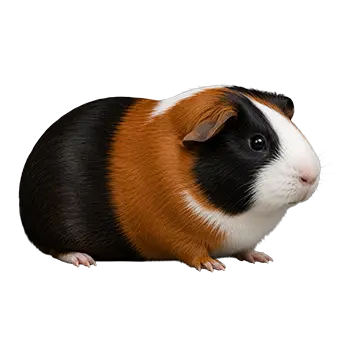

The adult stage of an American Guinea Pig's life spans roughly from five or six months of age through approximately four years, representing the longest and most stable phase of their lifespan. During these prime years, your guinea pig should be at its healthiest and most energetic, and the care habits you establish now will directly influence how gracefully your cavy transitions into its senior years. Consistent daily routines, a clean environment, and attentive observation form the pillars of excellent adult care.
Weekly weigh-ins remain an essential practice even after your guinea pig has reached its full adult size. An adult American Guinea Pig typically weighs between 900 grams and 1,200 grams, with boars running larger than sows. Gradual, unexplained weight loss is often the earliest detectable sign of illness in guinea pigs, as these prey animals instinctively hide symptoms of disease until a condition is well advanced. A loss of more than 50 grams in a week, or a sustained downward trend over two to three weeks, warrants a veterinary examination.
Perform a brief daily health check as part of your regular cage maintenance routine. Look at your guinea pig's eyes, which should be clear and bright without discharge. Check the nose for dryness and clarity. Observe the guinea pig as it moves around the cage to assess gait and mobility. Listen for any respiratory sounds such as clicking, wheezing, or labored breathing, which can indicate an upper respiratory infection. Run your hands gently over the body to feel for lumps, bumps, or areas of sensitivity. These quick checks take only a minute or two but can catch problems before they become serious.
Maintaining a clean living environment is fundamental to preventing disease during the adult years. Spot-clean the cage daily to remove soiled bedding and uneaten fresh food. Perform a thorough cage cleaning with full bedding replacement at least once per week, and wash water bottles and food dishes regularly to prevent bacterial buildup. Guinea pigs are susceptible to bumblefoot, a painful infection of the footpad, which is often caused by standing on wet or soiled bedding for prolonged periods.