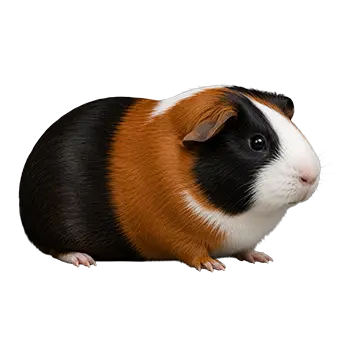

Determining whether an American Guinea Pig is ready for breeding involves far more than simply confirming that the animal has reached sexual maturity. While guinea pigs can become reproductively capable at a remarkably young age — boars as early as three to five weeks and sows as early as four to six weeks — sexual maturity alone does not indicate readiness for the physical demands of pregnancy, delivery, and nursing. Responsible breeding requires careful evaluation of age, health, weight, temperament, and the breeder's ability to care for the resulting litter.
The ideal age for a sow's first breeding is between four and seven months. This window is critically important because of a unique aspect of guinea pig anatomy: the pubic symphysis, the cartilaginous joint connecting the two halves of the pelvis, begins to fuse after approximately seven to eight months of age. If a sow has never given birth before this fusion occurs, the birth canal may not be able to expand sufficiently to allow safe delivery of pups, creating a life-threatening situation that often requires an emergency cesarean section. This age-related risk is one of the most important considerations in guinea pig breeding and cannot be overstated.
Both the sow and the boar should be in excellent health before breeding is attempted. The sow should be at a healthy weight — not obese, which increases pregnancy complications, and not underweight, which suggests she may lack the reserves to sustain a pregnancy. Both animals should be free of respiratory infections, skin conditions, dental problems, and any signs of chronic illness. A pre-breeding veterinary examination is strongly recommended to check for heart murmurs, internal parasites, and any conditions that could be passed to offspring or compromise the sow's ability to carry and deliver safely.
Temperament should also factor into breeding decisions. American Guinea Pigs are generally known for their docile and friendly dispositions, and these traits are partly heritable. Breeding animals that are excessively nervous, aggressive, or difficult to handle may produce offspring with similar temperamental challenges. Additionally, a highly stressed sow is more likely to experience complications during pregnancy and may be a less attentive mother.