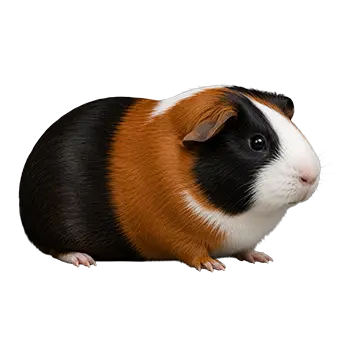

American Guinea Pig pups are born remarkably precocious compared to many other small mammals. They arrive fully furred with their eyes open, their ears functional, and their teeth already in place. A typical litter consists of two to four pups, though litters of one or as many as six are not uncommon. Each pup usually weighs between 60 and 120 grams at birth, and healthy newborns will begin moving around the cage within minutes of delivery.
During the first day, the mother will clean each pup thoroughly and consume the placenta and birth membranes. This is completely normal behavior and serves both nutritional and sanitary purposes. The pups will begin nursing almost immediately, and it is essential that every pup in the litter gets access to the mother within the first hour. Colostrum, the first milk produced, contains vital antibodies that help protect the vulnerable newborns from infection during their earliest days.
The owner's role during the first 24 hours should be one of quiet observation rather than intervention. Avoid handling the pups excessively, as the mother may become stressed and refuse to nurse. Check from a distance that all pups appear active and are not isolated from the group. If a pup is noticeably cold, limp, or separated from the mother for an extended period, gentle intervention may be needed, but always minimize disruption to the nest environment.
Make sure the cage is draft-free and that the bedding is clean but not overly disturbed. Remove any soiled material near the birth area without rearranging the entire enclosure. Fresh water and high-quality hay should be available to the mother at all times, as she will need additional calories and hydration to support milk production.