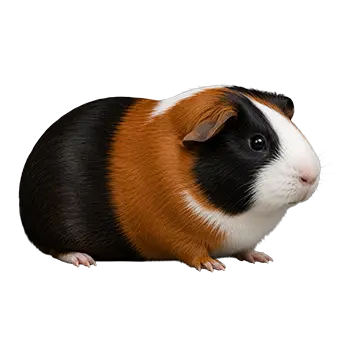

The juvenile period for an American Guinea Pig begins at weaning, around three to four weeks of age, and extends through approximately four to five months as the cavy approaches its adult size. During this time, your guinea pig will undergo rapid and dramatic physical changes, growing from a palm-sized pup into a robust young adult. Understanding the normal trajectory of growth helps you identify potential health issues early and provide the right support at each stage.
American Guinea Pigs typically gain weight steadily throughout the juvenile phase, adding anywhere from 20 to 50 grams per week depending on their genetics, diet, and sex. Males tend to grow slightly larger and heavier than females and may continue filling out for a longer period. By the end of the juvenile stage, most Americans will weigh between 700 grams and one kilogram, though some individuals will continue to gain modest weight into their first year. Regular weekly weigh-ins on a gram scale are one of the best tools for monitoring your cavy's development.
Physically, the juvenile American Guinea Pig's body proportions shift noticeably during this period. Pups start with relatively large heads in proportion to their bodies, and as the torso lengthens and fills out, the proportions become more balanced and adult-like. The short, smooth coat that defines the American breed becomes denser and acquires its full adult sheen. Nails grow quickly during periods of rapid growth and will need regular trimming to prevent overgrowth and curling, which can cause discomfort and mobility problems.
Bone development is active throughout the juvenile months, making adequate calcium and vitamin C intake especially important. Skeletal growth plates remain open during this period, and nutritional deficiencies can result in weak bones or malformed joints that will affect the guinea pig for the rest of its life. If you notice any limping, reluctance to move, or uneven gait during the growth phase, consult a veterinarian promptly to rule out metabolic bone issues.