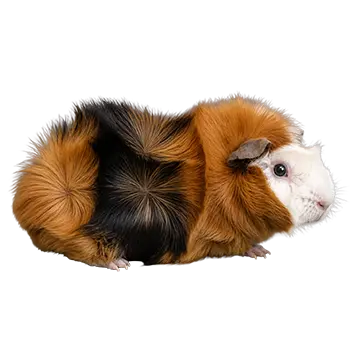

Abyssinian guinea pigs are generally considered to enter their senior years at around four to five years of age, though the transition is gradual and varies between individuals. Some guinea pigs remain energetic and robust well into their fifth year, while others begin showing subtle signs of aging somewhat earlier. Rather than relying on a specific birthday as the dividing line, it is more useful to watch for the physical and behavioral changes that signal your guinea pig is entering the later chapter of its life.
Early signs of aging in Abyssinian guinea pigs may include a gradual decrease in activity level, longer rest periods between bouts of movement, slight stiffness when first getting up, and a reduced enthusiasm for play. The once-vigorous popcorning may become less frequent or less dramatic. These changes are often so subtle that they develop over weeks or months, making regular observation and weight tracking essential for recognizing the shift.
The Abyssinian's distinctive rosetted coat may also change with age. The coat texture can become somewhat thinner, and the rosettes may lose some of their tight definition. Some senior guinea pigs develop a slightly coarser or drier coat. These cosmetic changes are normal but should be distinguished from hair loss caused by fungal infections, mites, or hormonal imbalances, which require veterinary attention regardless of age.
Once you recognize that your guinea pig has entered the senior stage, it is time to adjust your care approach accordingly. Increase veterinary check-ups to twice yearly, pay closer attention to weight trends, and begin making environmental modifications that support an aging body. The goal during the senior years is to maximize comfort, maintain quality of life, and address age-related conditions proactively rather than reactively.