
The First 24 Hours

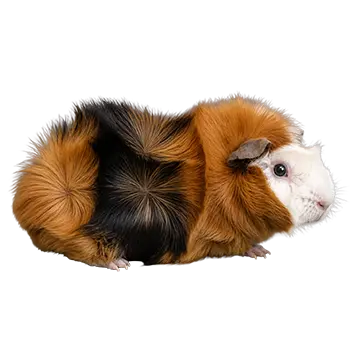
Abyssinian guinea pig pups are born remarkably precocial compared to many other small mammals. They arrive fully furred with their characteristic rosettes already beginning to form, their eyes open, and their teeth present. A typical litter ranges from one to six pups, with two to four being most common. Within the first hour of life, healthy pups should be standing, moving around the enclosure, and beginning to seek out their mother for nursing.

The sow will clean each pup as it is born, consuming the placenta and stimulating the newborn's breathing and circulation. It is important to allow the mother to complete this process without interference unless there is an obvious emergency. The birthing area should be warm, draft-free, and lined with clean, soft bedding such as fleece or paper-based substrate. Avoid wood shavings during this critical period, as fine particles can irritate the tiny pups' eyes and respiratory systems.

During the first day, observe the litter carefully from a respectful distance. Each pup should appear active and responsive, with a round belly indicating successful nursing. Weigh each pup gently using a small kitchen scale to establish a baseline. Healthy Abyssinian newborns typically weigh between 60 and 120 grams at birth. Record these weights, as daily tracking over the coming weeks will be one of your most important monitoring tools.

If any pup appears lethargic, cold to the touch, or is being pushed away from the group by the mother, contact an exotics veterinarian immediately. The first 24 hours set the foundation for the pup's entire development, and early intervention can make the difference between a thriving pup and one that fails to thrive.

Nursing & Nutrition

Abyssinian pups begin nursing within the first hour or two of birth. The mother's initial milk is rich in colostrum, which provides critical antibodies and nutrients that help protect the newborns from infection during their vulnerable early days. Pups will nurse frequently in short sessions throughout the day and night, and the sow should be given unlimited access to high-quality hay, fresh vegetables, and a vitamin C–enriched pellet to support her milk production.

One of the remarkable traits of guinea pig pups is that they can begin nibbling on solid food within the first few days of life. You may notice tiny pups sampling hay, pellets, or even greens alongside their mother. This early introduction to solid food is natural and beneficial, as it helps colonize the pup's gut with healthy bacteria essential for proper digestion. Provide soft leafy greens such as romaine lettuce or cilantro at ground level where pups can easily reach them.

Guinea pigs cannot synthesize their own vitamin C, and this need begins at birth. While nursing pups receive some vitamin C through their mother's milk, it is essential that the sow's diet is rich in this nutrient. Supplement her daily diet with vitamin C–rich vegetables like bell peppers and dark leafy greens. Avoid placing vitamin C drops in the water bottle, as the vitamin degrades quickly in water and the taste may discourage drinking.

Weaning typically occurs naturally between three and four weeks of age, though pups will begin eating increasing amounts of solid food well before this point. Monitor each pup's weight gain to ensure they are thriving. A healthy pup should gain weight steadily each day. If a pup is losing weight or failing to gain, it may not be nursing effectively and may need supplemental feeding with a specialized small-animal milk replacer under veterinary guidance.

Developmental Milestones

Abyssinian guinea pig pups develop at a rapid pace compared to many other pocket pets. By the end of their first day, they should be walking steadily and beginning to explore their immediate surroundings. Within the first week, pups become increasingly confident in their movements, and you may observe playful behaviors such as small hops and bursts of running known as popcorning, which is a hallmark sign of a happy and healthy guinea pig.

By the end of the first week, the Abyssinian's signature rosettes become more defined and the coat texture begins to take on its characteristic rough, tufted appearance. Pups will be actively sampling solid foods and drinking from low water dishes or bottles. Their social development is also accelerating, and they will begin to interact more deliberately with their littermates, engaging in gentle nuzzling, following behaviors, and group huddling.

During weeks two and three, growth becomes dramatic. Pups may double or even triple their birth weight during this period. Their coordination improves significantly, and they become more independent from the sow while still nursing regularly. You will notice distinct personality traits emerging during this time, with some pups being bolder explorers and others more cautious and reserved. These early personality indicators often carry into adulthood.

By the fourth week, most Abyssinian pups are eating a full range of solid foods and are approaching or have reached weaning readiness. Male pups should be separated from the mother and female siblings by three weeks of age at the latest, as guinea pigs can reach sexual maturity surprisingly early. This early separation is essential to prevent accidental pregnancies, which can be dangerous for very young sows.

Temperature & Environment

Newborn Abyssinian guinea pigs are more susceptible to temperature fluctuations than adults, despite being born fully furred. The ideal ambient temperature for a nursing sow and her litter is between 65 and 75 degrees Fahrenheit. Temperatures below 60 degrees can cause dangerous chilling, while temperatures above 80 degrees put guinea pigs at risk of heatstroke. Use a reliable room thermometer placed near the enclosure to monitor conditions consistently.

The enclosure for a mother and her newborn litter should be spacious enough for the sow to move freely while keeping the pups contained safely. A solid-bottomed cage or pen with high sides is preferable, as wire flooring can trap tiny feet and cause injury. Line the enclosure with soft, absorbent bedding and change it frequently to maintain hygiene. Fleece liners with an absorbent underlayer work well, as they provide a comfortable surface and are easy to wash.

Avoid placing the enclosure near windows, exterior doors, heating vents, or air conditioning units, as these locations can create drafts and temperature swings. The area should be quiet and away from high-traffic zones in the home, as the sow needs a calm environment to nurse and bond with her pups without stress. Excessive noise and disturbance can cause a nervous mother to become agitated, which may interfere with nursing.

Provide hiding spots within the enclosure using small houses, tunnels, or draped fleece. These give the sow a sense of security and also provide warm micro-environments where the pups can huddle together. Guinea pigs are social animals that thermoregulate partly through group contact, and pups will naturally cluster together or burrow against their mother's warm body for comfort.

Early Socialization

Guinea pigs are inherently social animals, and the Abyssinian breed is particularly known for its outgoing and interactive personality. Early socialization during the newborn period lays the groundwork for a well-adjusted adult guinea pig that is comfortable being handled and enjoys human interaction. Begin gentle handling sessions once the pups are a few days old and the sow appears calm and accepting of your presence.

Keep initial handling sessions brief, lasting only a minute or two. Sit on the floor or over a soft surface in case a pup wriggles free, and support the pup's entire body securely in cupped hands. Speak softly and move slowly to avoid startling the babies. As the pups grow more accustomed to being held over the first two weeks, gradually increase the length of handling sessions. The goal is to build positive associations with human touch and voice.

Socialization also involves exposure to everyday household sounds and activities. While the enclosure should be in a relatively calm area, brief exposure to normal sounds such as conversation, gentle music, and household activity helps pups learn that these stimuli are not threats. Avoid sudden loud noises or chaotic environments, which can cause lasting fearfulness.

If there are other guinea pigs in the household, allow supervised visual and scent introductions through cage bars once the pups are about two weeks old. This early exposure to the broader social world of guinea pigs is valuable, as Abyssinians thrive in the company of compatible companions. However, never leave newborn pups unsupervised with unfamiliar adult guinea pigs, as even well-meaning adults can inadvertently injure tiny pups.

Health Screening & Vet Visits

Schedule a wellness check with an exotics-experienced veterinarian within the first week after birth for both the sow and her litter. This initial visit allows the vet to assess each pup's overall health, check for congenital issues, and confirm that the mother is recovering well from delivery. Guinea pigs can mask illness effectively, making professional evaluation especially important during this vulnerable period.

During the first vet visit, the veterinarian will check each pup's weight, hydration, eyes, ears, teeth, and limbs. Dental alignment is particularly important in guinea pigs, as malocclusion can become a serious lifelong health issue if not identified early. The vet will also examine the sow's mammary glands for signs of mastitis and ensure she is producing adequate milk for the litter.

At home, perform daily health checks by observing each pup's behavior, appetite, and weight. Weigh pups at the same time each day using a gram scale and record the results. A healthy pup should show consistent daily weight gain. Any sudden weight loss, lethargy, labored breathing, discharge from the eyes or nose, or diarrhea warrants an immediate veterinary visit. Guinea pigs are fragile creatures, and a newborn's condition can deteriorate rapidly without prompt intervention.

Ask your veterinarian about an appropriate vitamin C supplementation plan for the growing pups, especially as they transition to solid food. Because guinea pigs are unable to manufacture their own vitamin C, deficiency can occur quickly and lead to scurvy, which causes joint pain, lethargy, and a rough coat. Your vet can recommend the correct dietary approach based on the pups' age and condition.

When to Worry

While most Abyssinian guinea pig litters develop without serious complications, knowing the warning signs of trouble can help you act quickly and potentially save lives. The most critical red flag in the first 24 hours is a pup that is not nursing. If a newborn is consistently pushed away from the mother, appears cold and limp, or has a visibly sunken or empty belly, immediate intervention is required. Contact your exotics veterinarian right away for guidance on supplemental feeding.

Weight loss or failure to gain weight is one of the earliest and most reliable indicators of a problem. If a pup's weight plateaus for more than a day or drops, something is likely wrong. Common causes include insufficient milk production by the sow, competition from larger littermates, illness in the pup, or a congenital condition that prevents effective nursing. Daily weigh-ins are your best diagnostic tool during the newborn period.

Respiratory issues are a serious concern in young guinea pigs. Watch for signs such as clicking or rattling sounds during breathing, nasal discharge, sneezing, or labored breathing with visible rib movement. Upper respiratory infections can escalate rapidly in guinea pigs and require prompt veterinary treatment. Keep the environment clean, dry, and well-ventilated but draft-free to minimize respiratory risks.

Diarrhea in newborn guinea pigs is another urgent warning sign. Normal guinea pig droppings are firm, oval-shaped pellets. Soft, watery, or discolored stool can indicate a bacterial infection, dietary issue, or parasitic problem. Dehydration from diarrhea can become life-threatening within hours in a tiny pup. If you observe abnormal droppings in any pup, isolate the affected animal if possible, keep it warm, and seek veterinary care without delay.

Always consult a qualified professional before making any health-related decisions. This content is provided for informational reference only and should not replace professional guidance specific to your animal.