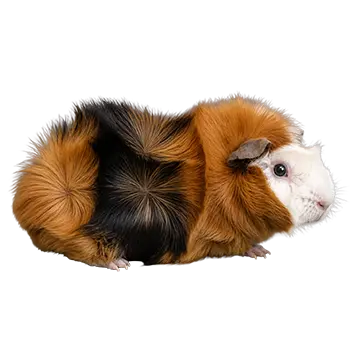

Knowing when your Abyssinian guinea pig is approaching the end of its life is one of the most difficult aspects of pet ownership, made more challenging by the guinea pig's instinct to mask pain and illness. However, there are recognizable patterns that often emerge as a guinea pig's body begins to decline beyond the point of recovery. Awareness of these signs allows you to respond with compassion and make informed decisions about your pet's care.
Persistent and significant weight loss is often the most measurable indicator that a guinea pig's health is failing. When weight drops steadily despite adequate food availability and dietary adjustments, it may signal that the body is no longer able to absorb nutrition effectively or that an underlying condition such as organ failure, cancer, or advanced dental disease has progressed beyond treatment. Weekly weigh-ins provide the objective data needed to track this trend.
Behavioral withdrawal is another important signal. A guinea pig that was once vocal, interactive, and interested in its surroundings may become increasingly quiet and withdrawn. It may stop greeting you at feeding time, cease interacting with cage mates, and spend most of its time in a hiding spot or pressed into a corner. Loss of interest in favorite foods, particularly fresh vegetables that normally trigger excitement, is a significant indicator that something fundamental has changed.
Physical signs that often accompany the final decline include labored or shallow breathing, a dull and unkempt coat, sunken or half-closed eyes, cold extremities, difficulty maintaining balance, and a general posture of hunching or pressing the body against the ground. Droppings may become very small, misshapen, or cease altogether. If multiple signs are present simultaneously and are not responding to veterinary treatment, it is time to have an honest conversation with your veterinarian about your guinea pig's prognosis.