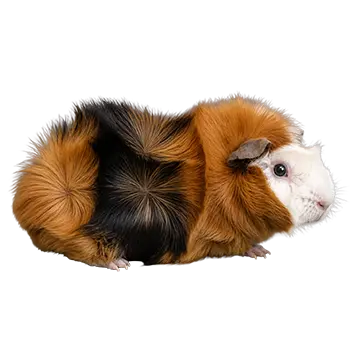

An adult Abyssinian guinea pig reaches full physical maturity at approximately 14 to 18 months of age. At this stage, your guinea pig should have a stable body weight typically ranging between 800 and 1,200 grams, a well-defined rosetted coat with clear ridges, bright and alert eyes, and an active disposition. Maintaining this baseline of health requires consistent daily care and regular veterinary oversight.
Weekly weigh-ins remain one of your most valuable health monitoring tools throughout adulthood. Because guinea pigs are prey animals that instinctively hide signs of illness, a subtle drop in weight is often the first detectable indicator that something is wrong. Use the same scale at the same time each week and record the results. A loss of more than 50 grams over a short period warrants a veterinary check, even if the guinea pig appears otherwise normal.
Schedule wellness examinations with an exotics-experienced veterinarian at least once a year, or twice yearly as your guinea pig moves into its later adult years. These visits should include a thorough physical examination, dental assessment, and discussion of diet and husbandry. Unlike dogs and cats, guinea pigs do not require routine vaccinations, but regular professional evaluations are essential for catching developing problems such as dental disease, bladder stones, and respiratory conditions.
Daily observation is equally important. Take a moment each day to watch your guinea pig eat, drink, move, and interact with cage mates. Note the quantity and consistency of droppings, the condition of the coat, and the activity level. Any deviation from your guinea pig's normal patterns, such as reduced appetite, changes in droppings, lethargy, or a ruffled coat, should be investigated promptly.