
Growth & Physical Development

The juvenile period for Abyssinian guinea pigs spans roughly from weaning at three to four weeks of age through approximately five to six months. During this time, your Abyssinian will undergo dramatic physical changes, growing from a small pup of around 150 to 200 grams into a young adult approaching 700 grams or more. Growth rates vary between individuals, but consistent upward weight trends on weekly weigh-ins are the best indicator that your guinea pig is developing properly.

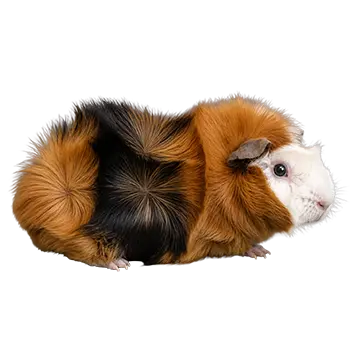
The Abyssinian's distinctive rosetted coat becomes increasingly defined during the juvenile months. Rosettes tighten and the ridges between them grow more pronounced, giving the coat its characteristic wild and tufted appearance. The coat texture also roughens as the adult guard hairs come in. This is an excellent time to begin regular gentle grooming sessions, which help maintain coat health and also strengthen the bond between you and your guinea pig.

Skeletal and muscular development continues rapidly through the juvenile stage. You will notice your Abyssinian becoming more agile and confident in its movements, with frequent bouts of popcorning, sprinting, and playful exploration. Adequate space is essential during this period to support healthy physical development. A cramped enclosure can restrict movement and lead to underdeveloped muscles and poor bone density.

Sexual maturity arrives surprisingly early in guinea pigs. Males can become fertile as young as three weeks of age, while females may reach maturity between four and six weeks. If you have not already separated males from females by three weeks, do so immediately. Pregnancy in a very young sow is dangerous and can result in serious complications. Monitor juvenile males for signs of mounting behavior and territorial marking, which indicate they have entered puberty.

Nutrition & Diet Transition

As your Abyssinian transitions from nursing to a fully solid diet, the foundation of their nutrition should be unlimited high-quality timothy hay. Hay provides the essential long-stem fiber that keeps the digestive system functioning properly and also promotes the natural wearing of continuously growing teeth. Young guinea pigs under six months can also be offered alfalfa hay, which is higher in calcium and protein to support rapid growth, though it should be gradually phased out in favor of timothy hay as the guinea pig approaches adulthood.

Pellets formulated specifically for guinea pigs should be offered daily in measured amounts. Look for a plain, timothy-based pellet that is fortified with stabilized vitamin C. Avoid muesli-style mixes that contain seeds, nuts, dried fruit, or colored pieces, as guinea pigs will selectively eat the unhealthy parts and miss essential nutrients. For juvenile guinea pigs, approximately one-eighth of a cup of pellets per day is a reasonable starting amount, adjusted based on your veterinarian's recommendations.

Fresh vegetables are a critical component of the juvenile Abyssinian's diet, particularly as a source of vitamin C. Introduce new vegetables one at a time and in small quantities to avoid digestive upset. Bell peppers, romaine lettuce, cilantro, and parsley are excellent staples. Limit high-calcium greens such as spinach and kale to occasional offerings to prevent bladder stone formation, a condition guinea pigs are prone to developing.

Fresh, clean water must be available at all times through a sipper bottle or a heavy ceramic dish that cannot be easily tipped. Check the water supply multiple times daily, as growing juveniles drink more than you might expect. If using a bottle, verify that the ball valve is functioning correctly by tapping it to ensure water flows freely. Dehydration can develop quickly in young guinea pigs and may lead to serious health problems.

Behavioral Changes

The juvenile period is when Abyssinian guinea pigs truly come into their personalities. Known for being one of the more extroverted and vocal cavy breeds, young Abyssinians often develop a wide repertoire of sounds during this stage, including wheeks of excitement at feeding time, purring during contentment, and chattering when irritated or establishing boundaries. Learning to interpret these vocalizations will greatly enhance your relationship with your pet.

As guinea pigs enter adolescence, social dynamics within groups can shift. Juvenile males may begin to challenge one another for dominance, resulting in rumble-strutting, teeth chattering, mounting, and occasional nipping. In most cases, these behaviors are normal posturing and resolve without injury, but it is important to monitor interactions closely. If conflicts escalate to sustained chasing, biting that draws blood, or weight loss from stress, separation may be necessary.

Female juveniles are generally less confrontational but still establish their own social hierarchies. Mild chasing, nose-bumping, and occasional rumbling are all normal behaviors as young sows sort out their group structure. Providing multiple food stations, water sources, and hiding spots helps reduce resource competition and minimizes stress during this adjustment period.

You may also notice that your juvenile Abyssinian becomes more curious and bold in exploring its environment. This is the ideal age to introduce enrichment activities such as tunnels, paper bags to crinkle through, and safe chew toys. Guinea pigs are intelligent animals that benefit from mental stimulation, and an enriched environment during the juvenile stage helps prevent boredom-related behaviors such as excessive bar chewing or fur barbering.

Handling & Taming

Consistent, gentle handling during the juvenile period is essential for developing a well-socialized Abyssinian guinea pig. Even pups that were handled as newborns may go through a skittish phase during adolescence as they become more aware of their surroundings and more capable of evading capture. Patience and routine are the keys to working through this stage successfully.

Establish a daily handling routine, ideally at the same time each day, so your guinea pig comes to expect and eventually welcome the interaction. Begin each session by speaking softly to your guinea pig and offering a small treat such as a sprig of cilantro or a thin slice of bell pepper. Use two hands to lift the guinea pig, supporting its hindquarters securely, and hold it close to your body while seated on the floor or on a low surface.

Avoid chasing your guinea pig around the enclosure to catch it, as this creates a negative association with handling and can set back your taming progress significantly. Instead, use a cozy tunnel or fleece pouch as a transfer tool. Place the tunnel in front of the guinea pig and allow it to walk in voluntarily, then gently lift the tunnel with the guinea pig inside. Over time, most Abyssinians learn to climb into their owner's hands willingly.

Lap time is an excellent socialization tool. Place a fleece blanket or towel on your lap and let your guinea pig settle in while you watch television, read, or simply sit quietly. Many guinea pigs learn to relax and even fall asleep on their owner's lap during these sessions. The warmth, gentle vibrations, and consistent presence of their human help build trust and create a deeply bonded relationship.

Exercise & Activity

Juvenile Abyssinian guinea pigs are energetic and require ample space and opportunity for daily exercise. The minimum recommended enclosure size for a single guinea pig is approximately seven and a half square feet, though larger is always better. For pairs or small groups, which are strongly recommended given the social nature of guinea pigs, increase the space proportionally. C&C style cages made from storage cube grids and corrugated plastic are popular because they offer customizable and spacious layouts.

Daily floor time outside the cage provides essential exercise and mental stimulation. Set up a guinea pig–proofed area using playpen panels on a flat surface covered with old towels or fleece. Remove or block access to electrical cords, small spaces where a guinea pig could become stuck, and any houseplants that may be toxic. Supervise all out-of-cage time, as guinea pigs are prey animals and can injure themselves if startled.

Enrichment during exercise time keeps your Abyssinian mentally engaged. Scatter small amounts of hay or a few pellets inside crumpled paper bags, cardboard tubes, or foraging mats to encourage natural seeking behavior. Rearrange the layout of tunnels and hiding spots regularly to create novel environments that spark curiosity. The Abyssinian's naturally inquisitive temperament makes this breed particularly responsive to environmental enrichment.

Watch for signs that your guinea pig is getting adequate exercise. A healthy juvenile Abyssinian should move freely, exhibit regular popcorning behavior, and maintain a lean but well-covered body condition. If your guinea pig seems reluctant to move, is gaining weight excessively, or appears stiff and uncomfortable, consult your veterinarian to rule out underlying health issues that may be limiting mobility.

Spay & Neuter Considerations

The decision to spay or neuter a guinea pig is one that should be discussed with an exotics-experienced veterinarian who is comfortable performing surgery on small animals. Guinea pig anesthesia and surgery carry inherent risks, and the procedure should only be performed by a practitioner with specific experience in cavy medicine. Unlike dogs and cats, routine spay and neuter is not universally recommended for guinea pigs, and the decision depends on individual circumstances.

Neutering a male guinea pig is a less invasive procedure than spaying a female and carries somewhat lower surgical risk. The primary reason for neutering is to allow a male to live safely with female companions without the risk of unwanted litters. After neutering, males must be kept separated from females for a minimum of three to four weeks, as residual sperm can remain viable during this period.

Spaying a female guinea pig is a more complex abdominal surgery and is generally only recommended when there is a medical reason, such as ovarian cysts, which are relatively common in sows. Ovarian cysts can cause hormonal imbalances, hair loss, and discomfort. If your female guinea pig develops signs of cystic ovaries, your veterinarian may recommend spaying as a definitive treatment.

Regardless of whether you choose to pursue surgical sterilization, responsible housing management is the most reliable way to prevent unwanted breeding. Keep males and females in separate enclosures with secure barriers. Guinea pigs are surprisingly resourceful and can squeeze through gaps that appear too small for their bodies. Double-check all cage connections and floor time barriers to ensure complete separation when housing both sexes in the same household.

Socialization & Companionship

Guinea pigs are highly social herd animals, and the Abyssinian breed is particularly well-suited to group living due to its gregarious and confident temperament. Keeping a single guinea pig alone is strongly discouraged by animal welfare organizations worldwide, as solitary housing can lead to loneliness, depression, and behavioral problems. Whenever possible, house your Abyssinian with at least one compatible companion of the same sex.

Introducing a juvenile Abyssinian to a new companion should be done gradually and in neutral territory. Choose an area that neither guinea pig has claimed as its own, such as a bathroom floor or a clean playpen, and provide hay and vegetables to create positive associations. Expect some initial dominance displays such as rumbling, mounting, and chasing. These behaviors are a normal part of the bonding process and typically settle within a few hours to a few days.

Pairs of females are often the easiest combination for first-time guinea pig owners, as sow pairs tend to form stable bonds with relatively little conflict. Male pairs can also work well, especially if introduced while both are young and one is clearly more submissive. Avoid pairing two dominant males, as this often leads to ongoing aggression. A neutered male with one or more females is another excellent combination that allows natural social dynamics without the risk of breeding.

Socialization extends beyond guinea pig companions. Expose your juvenile Abyssinian to gentle interaction with various family members so it becomes comfortable with different voices, scents, and handling styles. If you have other household pets such as calm dogs or cats, allow supervised visual introductions at a safe distance. However, never leave a guinea pig unsupervised with a predator species, regardless of how trustworthy the other animal seems. Guinea pigs are prey animals, and even a playful swat from a cat can cause serious injury.

Always consult a qualified professional before making any health-related decisions. This content is provided for informational reference only and should not replace professional guidance specific to your animal.