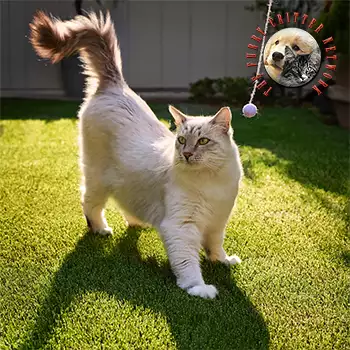

The Turkish Van is a slow-maturing breed, often not reaching full physical maturity until three to five years of age. During the juvenile and adolescent period, which spans roughly from two months to around eighteen months, these cats undergo dramatic physical changes. They transition from round, fluffy kittens into leggy, muscular adolescents whose bodies seem to grow in uneven spurts, with legs sometimes appearing too long for their frame.
Weight gain during this period should be steady and consistent. Males, which tend to be larger than females in this breed, may weigh between three and six kilograms by their first birthday, while females typically run slightly smaller. The characteristic Van pattern, with color concentrated on the head and tail against a predominantly white body, becomes more defined as the kitten coat gives way to the adult semi-long coat. The cashmere-like texture of the Turkish Van's single-layered coat begins to develop fully during the juvenile months.
Bone structure and muscular development are particularly important to monitor. The Turkish Van is a naturally athletic and substantial cat, and proper nutrition during this growth phase directly impacts skeletal health and adult body condition. Rapid growth phases may cause temporary awkwardness in movement, and some adolescents may appear gangly or disproportionate before their bodies catch up. This is entirely normal and should not be a cause for concern.
Regular weigh-ins every two weeks help track growth trends and can alert you to potential issues. A kitten that suddenly stops gaining weight, or one that gains excessively, should be evaluated by a veterinarian to rule out underlying health issues or dietary imbalances.