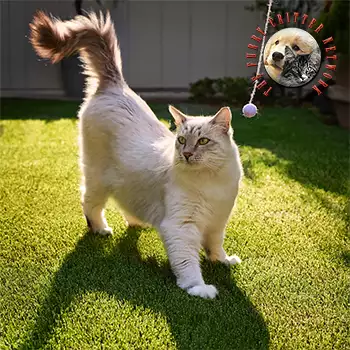

Peak Health Maintenance

The adult Turkish Van, having reached full physical maturity between three and five years of age, is an impressive and robust cat. Males typically weigh between five and eight kilograms, while females are somewhat smaller, generally ranging from four to six kilograms. At maturity, the breed's characteristic muscular build, broad chest, and powerful hindquarters are fully developed, giving them the athletic frame that makes them such capable jumpers and climbers.

Maintaining peak health during the adult years requires a proactive approach. Annual veterinary wellness examinations are the cornerstone of preventive care, allowing your veterinarian to establish baseline values for weight, bloodwork, and organ function that will be invaluable for comparison as your cat ages. These visits should include a thorough physical examination, dental assessment, and discussion of any behavioral changes you have observed at home.

Vaccination boosters should be administered according to the schedule recommended by your veterinarian, based on your cat's lifestyle and risk factors. Core vaccines are essential for all cats, while non-core vaccines may be recommended depending on whether your Turkish Van has any outdoor access or exposure to other cats. Parasite prevention, including flea, tick, and intestinal parasite control, should continue year-round even for indoor cats.

Weight management is particularly important during the adult years. While the Turkish Van is naturally an active breed, indoor cats can still become overweight if food intake is not balanced with activity. Regular body condition assessments, where you feel for the ribs and observe the waistline from above, help you catch weight creep before it becomes a health problem.

Nutrition at Maturity

Once your Turkish Van has reached full maturity, the transition from growth-focused kitten nutrition to maintenance-level adult food should be complete. The ideal adult diet for this breed is high in animal-based protein, moderate in fat, and relatively low in carbohydrates, reflecting the nutritional profile that cats evolved to consume. Wet food should constitute a significant portion of the diet, as it supports urinary tract health through increased moisture intake.

Feeding schedules for adult Turkish Vans generally work best as two to three measured meals per day rather than unlimited free-feeding. This approach allows you to monitor appetite, which is one of the first indicators of health changes in cats. A sudden decrease or increase in food consumption often signals that something has changed and warrants attention. Portion sizes should be based on your individual cat's weight, body condition, and activity level.

Treats should be offered in moderation and should not constitute more than ten percent of the daily caloric intake. Many Turkish Vans are food-motivated, which makes treats an excellent training tool, but overreliance on treats can unbalance the diet and contribute to weight gain. Consider using small pieces of the cat's regular food or offering play sessions as a reward alternative.

Fresh water availability is essential, and the Turkish Van's love of water can be leveraged to encourage hydration. Many owners find that pet water fountains, which provide a continuously circulating stream, appeal to this breed's fascination with moving water and result in higher water consumption compared to still bowls.

Exercise & Fitness

Adult Turkish Vans retain much of the energy and athleticism of their youth and require daily physical activity to stay fit and mentally stimulated. Unlike some breeds that mellow significantly with age, the Turkish Van often remains playful and active well into middle age. Daily interactive play sessions remain important, and most adult Turkish Vans will enthusiastically participate in chasing, pouncing, and fetching games.

The home environment should support the breed's need for physical challenges. Tall cat trees with multiple platforms, wall-mounted shelving that creates elevated pathways, and tunnels or paper bags for exploration all contribute to an enriching environment. Rotating toys and introducing new puzzle feeders periodically helps prevent boredom in this intelligent breed. A bored Turkish Van will find ways to entertain itself, and those ways frequently involve activities the owner would prefer to avoid.

If your household includes a secure outdoor enclosure or catio, regular access to this space provides exercise opportunities and sensory stimulation that indoor environments alone cannot match. The sights, sounds, and scents of the outdoor world engage the cat's natural instincts and provide mental enrichment that complements physical activity.

Monitor your cat's activity levels as part of your overall health assessment. A Turkish Van that suddenly becomes significantly less active or loses interest in play may be experiencing pain, illness, or emotional distress. Conversely, sudden hyperactivity or restlessness in a normally calm cat can also indicate a health issue and should be evaluated by your veterinarian.

Preventive Health Care

Preventive care during the adult years focuses on early detection of conditions that can affect the Turkish Van breed specifically and cats generally. While the Turkish Van is considered a generally healthy breed, they are not immune to the conditions that affect all domestic cats, and awareness of breed-specific predispositions allows for targeted monitoring.

Hypertrophic cardiomyopathy, the most common heart disease in cats, can affect Turkish Vans, and periodic cardiac screening through auscultation and, when indicated, echocardiography provides early detection. Annual bloodwork panels that include complete blood counts, chemistry profiles, and thyroid levels help establish individual baselines and catch metabolic changes before they produce clinical symptoms. Urinalysis is also an important component of the annual workup, as lower urinary tract disease is common in cats and early intervention dramatically improves outcomes.

Dental health deserves particular attention throughout the adult years. Periodontal disease is one of the most common health conditions in adult cats and can have systemic effects on heart, kidney, and liver health if left untreated. Regular veterinary dental assessments, combined with home dental care practices such as tooth brushing or dental treats approved by your veterinarian, help maintain oral health.

Keep detailed records of your cat's health history, including vaccination dates, bloodwork results, weight trends, and any illnesses or treatments. This longitudinal health record becomes increasingly valuable as your cat ages and helps your veterinarian make informed decisions about care adjustments.

Behavioral Maturity

The adult Turkish Van is a cat of strong character. They are known for forming deep, devoted attachments to their primary person while maintaining an independent streak that prevents them from being described as clingy. Their behavior in adulthood reflects the socialization and training they received as kittens, and well-socialized Turkish Vans are typically confident, engaging, and entertaining companions.

Territorial behavior is well established by adulthood, and Turkish Vans tend to be assertive about their space and routines. They often develop strong preferences about where they sleep, where they eat, and which areas of the home they consider their own. Changes to the household, whether a move, new furniture, new family members, or the loss of a companion, can temporarily disrupt established patterns and may manifest as stress behaviors such as inappropriate elimination, over-grooming, or withdrawal.

The breed's vocal nature typically continues into adulthood, though it may mellow somewhat compared to the enthusiastic vocalizations of adolescence. Turkish Vans often develop a repertoire of sounds that their owners learn to interpret, from chirps and trills that express excitement to more insistent meows that communicate specific demands. This communicative nature is part of the breed's charm and reflects their desire for interaction with their people.

Multi-cat households require ongoing attention to social dynamics. Turkish Vans can coexist peacefully with other cats, particularly those they have grown up with, but they often prefer to be the dominant personality in the group. Providing multiple resources, including separate feeding stations, litter boxes, and resting areas, helps minimize competition and reduces the likelihood of inter-cat conflict.

Dental & Grooming

One of the Turkish Van's most appealing practical qualities is the relatively low-maintenance nature of their coat. Unlike double-coated breeds, the Turkish Van has a single-layered coat with a cashmere-like texture that is naturally resistant to matting. Weekly brushing is generally sufficient to remove loose hair and distribute natural oils, though more frequent grooming may be needed during the seasonal shedding periods in spring and fall when the coat transitions between its lighter summer and denser winter forms.

Bathing is rarely necessary for the Turkish Van, and the breed's legendary affinity for water does not always translate into a willingness to be bathed on someone else's terms. When bathing is required, the single coat dries remarkably quickly compared to double-coated breeds. Use a gentle, cat-specific shampoo and ensure the cat is thoroughly rinsed and dried to prevent skin irritation.

Nail trimming should be performed every two to three weeks. Regular trimming from kittenhood makes this a routine and minimally stressful event for both cat and owner. If your Turkish Van resists nail trimming, your veterinarian or a professional groomer can assist, and there are gradual desensitization techniques that can help make the process more acceptable over time.

Dental care is an essential component of the grooming routine that is frequently overlooked. Daily tooth brushing with a veterinary-approved enzymatic toothpaste is the gold standard, but even a few brushing sessions per week provide meaningful protection against plaque and tartar accumulation. Begin with short, gentle sessions and build duration gradually. Regular dental treats and annual professional dental cleanings as recommended by your veterinarian complete a comprehensive oral health program.

Always consult a qualified professional before making any health-related decisions. This content is provided for informational reference only and should not replace professional guidance specific to your animal.