
Turkish Van Cat Breed Guide - Furry Critter Network

Turkish Van

Quick Facts

📏 Height
10-14 inches
⚖️ Weight
10-20 pounds
⏱️ Lifespan
13-17 years
📊 Size Category
Large
🏆 Breed Group
Natural
✨ Coat Type
Semi-long
😊 Temperament
Active, Intelligent, Playful, Loyal, Energetic, Affectionate, Independent
🏃 Exercise Needs
High
💇 Grooming Needs
Moderate
🔊 Vocalization
Moderate
🌍 Origin
Turkey

Turkish Van - Names & Recognition

The Turkish Van derives its name from Lake Van in the eastern Anatolia region of Turkey, where these cats developed naturally over centuries. The name directly references the breed's geographic origin, immediately conveying their heritage from this specific region. In Turkey, they're called "Van Kedisi" (Van Cat), with "kedi" meaning cat in Turkish. The breed's connection to Lake Van and the surrounding area is deeply rooted in Turkish culture and history, making the name both geographically and culturally significant.

The breed name is pronounced "TUR-kish VAN" in English, straightforward and descriptive. International variations maintain the English structure—in French, "Turc de Van" or "Van Turc"; in German, "Türkisch Van"; in Spanish, "Van Turco." The core elements—Turkish and Van—remain consistent across languages, providing clear global identification. This consistency reflects the breed's ancient natural origins and the importance of maintaining connection to their geographic heritage.

In Turkey, Turkish Vans hold special status as national treasures. The all-white variety with odd eyes (one blue, one amber) is particularly prized and considered a national symbol. The Turkish government has established breeding programs at universities to preserve these cats in their homeland, recognizing their cultural and historical significance. This cultural importance means the breed is treated with reverence in Turkey, though the cats recognized internationally as Turkish Vans may differ somewhat from those preserved in Turkey.

Historically and colloquially, Turkish Vans have been called "swimming cats" or "the cats that swim" due to their unusual affinity for water and documented swimming behavior. This descriptive nickname captures one of the breed's most distinctive and unusual characteristics. While not an official name, "swimming cat" is widely recognized as referring to Turkish Vans, making them immediately identifiable by this unique trait.

Some early literature occasionally referred to them as "Turkish cats" without the "Van" specification, but this broader term could theoretically refer to any cat from Turkey. The specific "Turkish Van" designation provides necessary distinction and honors the breed's origins in the Van region specifically. The full name maintains clarity while acknowledging geographic origins.

There's sometimes confusion between Turkish Vans and Turkish Angoras, another breed from Turkey. These are completely separate breeds with different origins, appearances, and characteristics. Turkish Vans are large, semi-long-haired cats with distinctive van pattern coloring. Turkish Angoras are medium-sized, long-haired cats typically solid white or various colors. The shared "Turkish" designation reflects their common country of origin but they're distinct breeds with separate recognition and standards.

No significant alternative names exist beyond these cultural and descriptive references. The breed's ancient natural origins and modern recognition during the era of standardized international cat fancy prevented development of disparate regional names. In all countries where Turkish Vans are present, the breed is known by this name with only linguistic adaptations.

The Turkish Van name successfully conveys the breed's geographic heritage while honoring their origins in the specific Lake Van region. For enthusiasts seeking cats with authentic ancient heritage, connection to specific geographic location, and unusual characteristics like water affinity, the Turkish Van name carries historical weight and cultural significance that manufactured breed names cannot match.

Turkish Van Physical Description

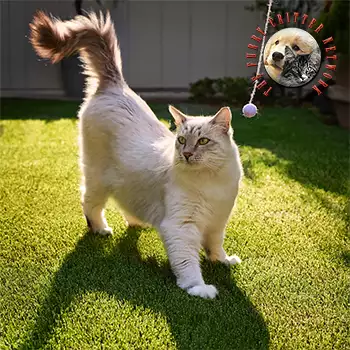
The Turkish Van presents a striking, substantial appearance combining impressive size with distinctive coloring that makes them immediately recognizable. These are large, muscular cats with semi-long coats, the characteristic "van pattern" of colored markings on head and tail against white bodies, and athletic builds suggesting strength and agility. The overall impression is of a powerful, beautiful cat built for swimming, climbing, and active life in demanding environment. Their appearance perfectly reflects their active, independent nature.

The coat is semi-long, silky, and water-resistant with unique texture adapted to their swimming behavior. The texture is somewhat different from typical cat fur—softer and more resilient, with cashmere-like quality. The coat lacks dense undercoat, having instead a single-layer structure that dries quickly after water exposure. This water-resistant quality is essential for cats that historically swam in Lake Van. The coat is shortest on shoulders and gradually lengthens toward the tail, with full britches on hind legs and a fully plumed tail.

The most distinctive feature is the "van pattern"—colored markings restricted primarily to the head and tail, with the body predominantly white. The classic pattern shows color on the top of the head (cap) extending between and behind the ears, with colored tail and occasional small colored spots on the body. The white should cover at least 80% of the body. This pattern is so distinctive it's named after the breed—any cat showing this coloring pattern is described as having "van markings."

Turkish Vans are recognized in several color combinations: - **Red and White** (also called Auburn): The traditional and most common color, with rich red-auburn markings - **Cream and White**: Softer, paler version with cream markings - **Black and White**: Dramatic contrast with black markings - **Blue and White**: Gray-blue markings creating elegant appearance

Additional colors including tortoiseshell, brown, and various tabby patterns are accepted by some registries. The key is maintaining the van pattern regardless of color. Eye color is typically amber, blue, or odd-eyed (one amber, one blue). Odd eyes are particularly prized in Turkey and add to the breed's mystique.

The seasonal coat changes are dramatic. Turkish Vans essentially blow their coat in summer, appearing much shorter and sleeker. The winter coat is full, thick, and impressive. This adaptation allowed survival in the region's extreme temperature variations—hot summers and cold winters. Summer coats may make them appear substantially smaller and less impressive than winter coats.

The head is a broad wedge with gentle contours, moderate in length and width. The muzzle is rounded with gentle curves. The profile shows a slight dip from forehead to nose. Overall head shape is balanced and proportionate, neither extremely angular nor round. The expression is alert and intelligent.

Ears are moderately large, set high on the head and well apart. Ears are well-furnished inside with hair, providing protection. The eyes are large, oval to round, and expressive. Eye color—amber, blue, or odd-eyed—contributes significantly to the breed's appearance. The large, expressive eyes create an alert, intelligent expression.

The body is long, sturdy, and muscular with broad chest and substantial bone structure. This is a slow-maturing breed taking 3-5 years to reach full size. The body is powerful and athletic, built for swimming, climbing, and active life. Males typically weigh 16-20 pounds, females 12-16 pounds, making this one of the larger cat breeds. The weight is muscle rather than fat—these are solid, athletic cats.

Legs are moderately long with substantial bone and well-developed muscle. The legs are proportionate to body, contributing to athletic appearance. Paws are large, round, and tufted between toes. The tail is medium to long, fully plumed, and in proportion to body length. The tail plume is impressive, particularly in winter coat.

Overall, the Turkish Van creates an impression of size, strength, athleticism, and distinctive beauty. The van pattern coloring makes them instantly recognizable. Their appearance suggests exactly what they are—powerful, athletic cats adapted to swimming, climbing, and active life in challenging environment, bringing ancient heritage and unique characteristics to modern homes.

Affection Level
Turkish Vans are affectionate with their families, forming strong bonds with chosen people. Their affection is on their terms—they show love through loyalty and engagement rather than constant cuddling. They're devoted companions that appreciate interaction but maintain independence, making them ideal for people wanting loyal cats without clinginess.
Friendliness
Turkish Vans are friendly with their families but can be reserved with strangers. They typically bond closely with one or two people, showing wariness toward others initially. Their confidence and independence mean they're not shy but rather selective about who receives their attention. They warm up gradually to new people.
Child-Friendly
Turkish Vans can be excellent with respectful older children who appreciate their active nature and give them space. They enjoy play but on their terms. Their size and energy require children who understand boundaries. They tolerate gentle interaction well but may become overwhelmed by rough handling or excessive attention from very young children.
Pet-Friendly
Turkish Vans can get along with other pets when properly introduced, though their strong personality means they often prefer being the dominant pet. They're confident and may assert themselves with other animals. With patient introductions and respectful companions, they coexist peacefully, though they may prefer being only pets or with calm companions.
Exercise Needs
Turkish Vans have high exercise requirements, needing daily active play and climbing opportunities. They're athletic cats that enjoy running, jumping, and exploring. Their energy requires regular engagement through interactive play and environmental enrichment. Without adequate exercise, they become bored and potentially destructive.
Playfulness
Turkish Vans are exceptionally playful throughout their lives, maintaining high energy and enthusiasm. They love interactive games, water play, and athletic activities. Their playfulness is intense and demanding—they actively seek entertainment and won't be ignored. They're acrobatic performers providing constant entertainment for engaged owners.
Energy Level
Turkish Vans possess high energy levels, constantly active and engaged. They're athletic cats that enjoy physical activity—running, climbing, jumping, and playing in water. This energy requires owners who can provide adequate outlets through play and environmental stimulation. They're not cats for sedentary households.
Intelligence
Turkish Vans are highly intelligent with excellent problem-solving abilities. They figure out how things work, open doors and cabinets, and learn quickly. Their intelligence combined with curiosity means they need substantial mental stimulation. They're trainable and can learn tricks, though their independence means training requires patience.
Tendency to Vocalize
Turkish Vans are moderately vocal, communicating with their families through varied sounds. They'll express opinions and desires but aren't as constantly chatty as some breeds. Their vocalizations are purposeful—they speak when they have something to say. This moderate communication suits their strong-willed personality.
Amount of Shedding
Turkish Vans shed relatively little for a semi-long-haired breed due to their single-layer coat without dense undercoat. While they do shed, the amount is modest. Seasonal shedding increases slightly during spring and fall. Regular brushing manages shedding effectively. Their lower shedding appeals to people wanting to minimize cat hair.

Turkish Van History & Origins

The Turkish Van has one of the most ancient and romantic histories of any cat breed, developing naturally over centuries in the Lake Van region of eastern Turkey (ancient Anatolia). These cats evolved in isolation in this mountainous region, adapting to the harsh climate and developing their distinctive characteristics including water-resistant coat and swimming behavior. Their exact origins are lost to history, though they've existed in the region for possibly thousands of years, mentioned in ancient texts and artwork.

The Lake Van region, with its extreme temperature variations, harsh winters, and the large saline Lake Van itself, created the environment where these cats developed their unique characteristics. The water-resistant coat, strong build, and swimming ability were practical adaptations for cats living near the lake, where they could catch fish and cool themselves during hot summers. Local people valued these cats, and they became part of regional culture and folklore.

The breed's introduction to the Western world began in 1955 when British photographer Laura Lushington and journalist Sonia Halliday visited Turkey. They were given two kittens by locals—a male and female with the distinctive van pattern. During their journey, the cats swam in a stream, displaying the unusual water affinity that would become a breed hallmark. Fascinated by these cats, Lushington brought them to England and began a breeding program.

Establishing the breed in the West faced challenges. The limited gene pool required importing additional cats from Turkey, which was difficult due to geographic distance and Turkish reluctance to export their national treasures. However, Lushington persevered, importing more cats over the years and working to establish consistent breeding lines. Other breeders joined the effort, importing cats and contributing to breed development.

The breed gained recognition relatively gradually. The Governing Council of the Cat Fancy in Britain recognized Turkish Vans in 1969. The International Cat Association (TICA) recognized them in 1979. The Cat Fanciers' Association granted registration in 1983 and championship status in 1994. This progressive recognition reflected growing appreciation for the breed's unique characteristics and beauty.

One challenge in breed development was maintaining the distinctive van pattern while ensuring genetic health and diversity. The limited founding stock and continued difficulty importing cats from Turkey created small gene pools requiring careful breeding management. Some registries allow solid and white bicolor patterns beyond the classic van pattern to increase genetic diversity, though purists prefer maintaining the traditional van pattern.

In Turkey, different breeding philosophies exist. Turkish universities maintain breeding programs focused on preserving all-white cats with odd eyes, considered the most traditional and valued variety. The international Turkish Van breed, while originating from the same region, emphasizes the van pattern and athletic build. These different priorities create some tension between Turkish preservation efforts and international breeding programs.

The breed's legendary swimming ability has been documented extensively. Turkish Vans genuinely enjoy water, playing in sinks, bathtubs, and pools. They'll fish in ponds, play with running water, and many swim enthusiastically when given opportunity. This trait is unusual among domestic cats and reflects their adaptation to life near Lake Van. However, not all individual Turkish Vans swim—the trait varies, with some loving water and others being more typical cats.

Today, Turkish Vans remain relatively rare compared to more common breeds but have devoted followings worldwide. They're particularly treasured by people who appreciate their ancient heritage, distinctive appearance, active temperament, and unique water affinity. Modern breeding emphasizes maintaining the van pattern, athletic build, water-resistant coat, and engaging personality while ensuring genetic health through careful breeding practices and health testing.

From ancient cats swimming in Lake Van to recognized international breed, Turkish Vans represent successful preservation of naturally developed cats while adapting them to modern companion roles. Their story demonstrates the value of preserving ancient breeds and the dedication of breeders who worked to maintain unique characteristics while building sustainable breeding programs far from the breed's homeland.

Turkish Van Temperament & Personality

The Turkish Van temperament is characterized by high energy, strong personality, intelligence, independence, and loyalty to chosen people, creating cats that are engaging but not for everyone. These are active, athletic cats with confident, assertive personalities. They're affectionate with their families but on their own terms, maintaining independence while forming strong bonds. Understanding their intensity, independence, and need for respect is crucial before considering this breed.

Energy levels are high. Turkish Vans are constantly active—running, jumping, climbing, playing, and exploring. They're athletic cats capable of impressive physical feats, reaching high places easily and performing acrobatic maneuvers. Their activity level requires owners who can provide outlets through play, climbing structures, and environmental enrichment. Without adequate activity, Turkish Vans become bored and potentially destructive.

Intelligence is pronounced. Turkish Vans are quick learners who figure out how things work, solve problems, and remember solutions. They open doors, cabinets, and containers. They learn routines and can be trained to perform tricks or walk on leashes. However, their intelligence combined with independence means training requires patience—they'll cooperate when they choose to, not necessarily when commanded. They're smart enough to train their owners effectively.

Playfulness remains intense throughout their lives. Turkish Vans love interactive games, particularly those involving water. They'll play in sinks, bat at running water, and many enjoy swimming or wading. They appreciate toys that move, challenging puzzles, and games engaging their athleticism. Their play is active and enthusiastic, providing entertainment for families that appreciate their energy.

The water affinity is legendary and unusual. Many Turkish Vans genuinely enjoy water—playing in sinks, bathtubs, pools, or any accessible water source. They'll fish in ponds, play with water dishes, and some swim enthusiastically. However, this trait varies individually—not all Turkish Vans swim or love water equally. Those that do display remarkable swimming ability, using all four paws to paddle effectively. This unusual trait reflects their adaptation to Lake Van and makes them unique among cat breeds.

Affection in Turkish Vans is genuine but independent. They form strong bonds with their families, particularly bonding closely with one or two chosen people. However, they're not typically lap cats that cuddle for hours. They show affection through loyalty, following their favorite people, sleeping nearby, and engaging in play. They appreciate interaction but on their terms—they'll come for attention when they want it, not necessarily when you do. This independence is important to understand.

The strong personality characteristic of Turkish Vans means they have opinions and aren't afraid to express them. They're confident cats that know what they want and can be assertive in obtaining it. They may be demanding when wanting food, play, or attention. Their strong will means they're not cats that automatically defer to their owners—they're partners in the relationship rather than subordinates.

Socially, Turkish Vans may be reserved with strangers. They typically bond closely with family members but show wariness toward new people initially. They're not aggressive or fearful, simply selective about who receives their attention. Once they accept someone, they're friendly, but earning their trust takes time. This selectivity reflects their independence and strong personality.

Vocalization is moderate. Turkish Vans communicate with their families through varied sounds—chirps, trills, meows, and sometimes chattering. They express opinions and desires but aren't as constantly vocal as some breeds. Their vocalizations are purposeful rather than excessive.

In multi-pet households, Turkish Vans can coexist with other animals, though their strong personality means they often prefer being the dominant pet. They're confident and may assert themselves with other animals. With patient introductions and respectful companions, they manage peacefully, though some prefer being only pets.

Overall, Turkish Van temperament creates engaging but demanding companions. They're not cats for everyone—their energy, independence, and strong personality require owners who appreciate and respect these traits. For active people who appreciate intelligent, athletic cats with unique characteristics, who can provide extensive activity opportunities, and who respect feline independence, Turkish Vans are incomparably rewarding. However, for people wanting cuddly lap cats or calm, low-maintenance companions, Turkish Vans are unsuitable.

Care Requirements

Caring for a Turkish Van centers on meeting their high exercise needs, providing mental stimulation for their intelligence, respecting their independence while providing companionship, managing their water-related behaviors, and maintaining their semi-long coat. These cats are moderately high-maintenance in activity requirements while being surprisingly manageable in grooming. Understanding their specific needs ensures Turkish Vans remain healthy, stimulated, and content.

Exercise is critical. Turkish Vans require substantial daily physical activity—one to two vigorous play sessions of 20-30 minutes each. Interactive play engaging their hunting instincts and athleticism is essential: feather wands, thrown toys, and motorized toys provide necessary activity. Without adequate exercise, Turkish Vans become bored and may develop destructive behaviors or depression.

Environmental enrichment must accommodate their athleticism and intelligence. Provide tall, sturdy cat trees offering climbing opportunities. Wall-mounted shelves at various heights allow climbing and jumping. Window perches provide observation points. Consider providing safe water play opportunities—many Turkish Vans enjoy shallow tubs or kiddie pools where they can wade and play. Rotating toys prevents boredom.

Water management deserves special attention. Turkish Vans' water affinity means they may play in toilets, sinks, bathtubs, or any accessible water source. Secure toilet lids, provide acceptable water play alternatives like pet fountains or shallow dishes, and protect valuable items from water damage. Some owners provide supervised swimming opportunities in bathtubs or pools, which many Turkish Vans thoroughly enjoy. Understanding and accommodating this trait rather than fighting it creates happier cats.

Mental stimulation engages their intelligence. Puzzle toys, interactive feeders, and training sessions provide mental challenges. Turkish Vans can learn tricks and commands, though training requires patience given their independence. Their intelligence means they need variety to prevent boredom. They're problem-solvers that figure out how to access forbidden areas, requiring Turkish Van-proofing—secure cabinets, remove breakables, ensure dangerous items are inaccessible.

Social needs are moderate. Turkish Vans appreciate companionship but maintain independence. They're not as demanding of constant attention as some breeds but benefit from regular interaction. They form strong bonds with chosen people and enjoy spending time with them, though on their terms. Respect their independence—they'll seek attention when they want it.

Grooming Turkish Vans is manageable despite their semi-long coat. Weekly brushing with a slicker brush or comb maintains coat health and manages shedding. Their water-resistant coat texture doesn't mat easily compared to dense-coated breeds. Most are good self-groomers. During seasonal coat changes, increase brushing frequency to manage shedding.

Bathing is rarely necessary and can be interesting given their water affinity—many Turkish Vans tolerate or even enjoy baths. When bathing, use cat-specific shampoo. Their water-resistant coat requires thorough wetting. Dental care including tooth brushing 2-3 times weekly prevents periodontal disease. Nail trimming every 2-3 weeks prevents overgrowth.

Regular veterinary care maintains health. Schedule annual wellness examinations for adults, increasing to biannual visits for seniors over 7-8 years. Overall, Turkish Van care requires commitment to their activity needs and respect for their independence while being manageable in most other areas for owners who appreciate their unique characteristics.

Feeding & Nutrition

Feeding a Turkish Van requires attention to portion control and nutritional quality to maintain their substantial size and muscle mass while preventing obesity. These large, athletic cats have significant caloric needs during their extended growth period, but their mature needs must be carefully managed. Understanding their requirements throughout life stages ensures Turkish Vans maintain healthy weight and condition.

High-quality commercial cat food meeting AAFCO standards should form the foundation. Choose premium brands listing quality animal protein sources as first ingredients. Turkish Vans thrive on high-protein diets (35-45% protein) supporting their substantial musculature. Moderate fat levels (15-20%) provide necessary energy. Both wet and dry food are appropriate; combination feeding offers advantages.

Portion sizes vary throughout their lives. Adult Turkish Vans typically require 300-450 calories daily, though individual needs vary based on size (10-20 pounds), activity level, metabolism, and whether they're altered. Males particularly need substantial calories during their extended growth period.

Kitten and young adult feeding requires attention due to slow maturation. Turkish Vans take 3-5 years to reach full size. During this extended growth, provide higher-calorie, protein-rich kitten or growth formulations. Feed kittens under six months 3-4 meals daily. Maintain growth-supporting nutrition until age 3-4 years. Monitor body condition—young Turkish Vans should appear somewhat lean, filling out gradually.

Scheduled meals work better than free-feeding. Dividing daily portions into 2-3 meals prevents excessive hunger while allowing appetite monitoring. Turkish Vans may be food-motivated, accepting feeding schedules enthusiastically.

Weight management becomes critical in adult Turkish Vans. Despite their activity level, some become overweight if portions aren't controlled or activity decreases. Their large size makes weight assessment challenging—monitor through regular weigh-ins. Maintain optimal body condition through measured feeding and ensuring adequate activity.

Hydration is essential, particularly given their water affinity. Ensure fresh water is always available. Many Turkish Vans enjoy cat fountains and may play with their water—provide stable water sources that won't tip easily. Monitor intake—adequate hydration supports kidney and urinary tract health.

Treats should comprise no more than 10% of daily calories. Choose high-protein treats. Account for treat calories to prevent weight issues. Senior Turkish Vans (7-8+ years) may need dietary adjustments as metabolism and activity change.

Turkish Van Health & Lifespan

Turkish Vans are generally healthy, hardy cats with good longevity, typically living 13-17 years, often reaching late teens with proper care. Their natural development through centuries of surviving harsh conditions contributed to generally robust health. However, like all breeds, they have some genetic predispositions. Responsible breeders conduct health testing and carefully select breeding pairs. Most Turkish Vans live active, healthy lives with proper care. Understanding breed-specific concerns allows appropriate preventive care.

While Turkish Vans have some health considerations, most are generally healthy cats living long, comfortable lives with appropriate preventive care. Their natural heritage and centuries of survival contributed to overall genetic robustness. Working with responsible breeders, maintaining regular veterinary care, providing proper nutrition and weight management, and staying alert to potential symptoms allows owners to support their Turkish Van's health. With attentive care addressing their specific needs—particularly weight management, dental care, and maintaining their athletic lifestyle—these remarkable cats remain healthy companions well into their late teens, bringing their unique combination of ancient heritage, striking appearance, water affinity, and engaging personality throughout long lives.

Common Health Issues

  • Hypertrophic Cardiomyopathy - HCM, : Turkish Vans can develop this heart condition where heart muscle thickens abnormally. While not as prevalent as in some breeds, HCM remains a concern. Responsible breeders screen breeding cats through echocardiography. Regular cardiac monitoring through veterinary heart auscultation helps detect murmurs. Any signs of labored breathing, lethargy, or exercise intolerance require immediate attention.
  • Obesity: Turkish Vans' large size combined with moderate to high activity creates risk for weight gain if overfed or under-exercised - Particularly after neutering. Obesity contributes to diabetes, joint problems, and reduced lifespan. Maintaining optimal body condition through portion-controlled feeding and ensuring adequate activity prevents weight-related health issues.
  • Hip Dysplasia: This orthopedic condition can occur in large breeds like Turkish Vans. Hip dysplasia involves abnormal hip joint development causing pain and arthritis. Symptoms include difficulty jumping - Altered gait, or reluctance to move. Maintaining healthy weight reduces stress on joints. Severe cases may require pain management or surgery.
  • Dental Disease: Like all cats - Turkish Vans are susceptible to periodontal disease, gingivitis, and tooth resorption. Regular dental care including tooth brushing, professional cleanings when necessary, and monitoring for oral discomfort are essential throughout life.
  • Polycystic Kidney Disease - PKD, : While not as common as in Persian-derived breeds, PKD can occur in Turkish Vans. This condition causes fluid-filled cysts in kidneys potentially leading to kidney failure. Regular kidney function monitoring through bloodwork allows early detection. While there's no cure, early detection and management help slow progression.
  • White Cat Deafness: Turkish Vans with white coats and blue eyes may be prone to congenital deafness - This is most common in all-white cats with blue eyes. Deaf cats adapt well to indoor life but require special consideration for safety.

Preventive Care & Health Monitoring

  • Regular Veterinary Examinations: Schedule annual wellness visits for adult Turkish Vans - Increasing to biannual examinations for cats over 7-8 years. Comprehensive examinations should include physical assessment, cardiac auscultation, body condition scoring, dental evaluation, and discussion of changes. Annual bloodwork beginning around age 7-8 screens for kidney disease, hyperthyroidism, and other conditions.
  • Weight Management: Monitor body condition regularly through hands-on assessment and regular weigh-ins - Turkish Vans' large size and semi-long coat can disguise weight changes. Maintain optimal weight through measured feeding and ensuring adequate daily activity. Provide climbing opportunities and interactive play. Maintaining ideal weight prevents obesity-related health problems.
  • Dental Care: Establish regular dental care routine including tooth brushing 2-3 times weekly with cat-specific toothpaste - Provide dental treats and toys. Schedule professional cleanings as recommended. Monitor for signs of dental disease. Dental health impacts overall health significantly.
  • Activity Maintenance: Ensure Turkish Vans receive adequate daily exercise throughout their lives. Their athletic nature requires ongoing activity to maintain physical and mental health. Provide climbing structures - Interactive play, and environmental enrichment preventing boredom while supporting physical fitness.

Coat Color & Grooming

The Turkish Van coat is distinctive in both appearance and texture—a semi-long, water-resistant coat displaying the characteristic "van pattern" that makes these cats instantly recognizable. The coat texture is unique, softer and more resilient than typical cat fur, with cashmere-like quality adapted to swimming and harsh climate. Understanding their coat characteristics, the van pattern, seasonal changes, and maintenance ensures these cats remain well-groomed and beautiful.

The coat texture is silky, soft, and water-resistant with unique structure. The coat lacks dense undercoat, having instead a single-layer structure that dries quickly after water exposure—essential for cats that swim. The texture feels different from typical cat fur, more resilient and less prone to matting. Coat length varies: shortest on shoulders, gradually lengthening toward the tail, with full britches on hind legs and fully plumed tail.

The van pattern is the breed's defining characteristic—colored markings restricted primarily to head and tail, with the body predominantly white. The classic pattern shows color on top of the head (the "cap") extending between and behind ears, colored tail, and the body otherwise white. Ideally, white covers at least 80% of the body. Small colored spots on the body are acceptable but shouldn't dominate. This pattern is so distinctive it's named after the breed.

Turkish Vans are recognized in several color combinations: - **Red (Auburn) and White**: Traditional and most common, with rich red-auburn markings - **Cream and White**: Softer coloring with pale cream markings - **Black and White**: Dramatic contrast - **Blue and White**: Gray-blue markings creating elegant appearance

Additional colors including tortoiseshell and various tabby patterns are accepted by some registries. Eye color is typically amber, blue, or odd-eyed (one amber, one blue). Odd eyes are particularly prized, especially in Turkey.

Seasonal coat changes are dramatic. Turkish Vans blow their coat in summer, appearing much shorter and sleeker. The winter coat is full, thick, and impressive. This adaptation allowed survival in the region's extreme temperatures. Summer coats may make them appear substantially smaller than winter coats.

Grooming Turkish Vans is manageable. Weekly brushing with slicker brush or comb maintains coat health and manages shedding. Their water-resistant coat texture doesn't mat easily. Most are good self-groomers. During seasonal coat changes, increase brushing frequency to manage shedding.

Shedding is relatively low to moderate for a semi-long-haired breed due to single-layer coat. Regular brushing manages shed hair effectively. Seasonal increases occur during coat changes but remain manageable.

Bathing is rarely necessary, though many Turkish Vans tolerate or enjoy baths given their water affinity. When bathing, use cat-specific shampoo. The water-resistant coat requires thorough wetting. Overall, the Turkish Van coat combines beauty with manageability—providing striking appearance without demanding intensive maintenance.

Children & Other Pets

Turkish Vans present unique considerations regarding children and other pets due to their strong personality, high energy, and need for respect. While they can integrate successfully into family households, compatibility depends heavily on family dynamics, children's ages and temperaments, and other pets' personalities. Their size, energy, and independent nature require households that can accommodate and appreciate these traits.

Turkish Vans can be excellent with older children who respect their boundaries and appreciate their playful energy. These cats enjoy active play with respectful kids who understand when to give space. Their size and athletic nature make them sturdy playmates. However, their strong personality means they won't tolerate rough handling, excessive restraint, or disrespectful treatment. They may react defensively if overwhelmed.

Very young children present challenges. Turkish Vans' high energy and large size can overwhelm small children. Conversely, young children's unpredictable movements and grabby hands may stress Turkish Vans. Their strong will means they won't patiently tolerate mishandling like more docile breeds. Successful integration requires extensive supervision and education.

Successful integration with children requires teaching respect. Children must learn that Turkish Vans, despite their playfulness, require appropriate interaction. Teach children to recognize when the cat wants space, to approach calmly, never to corner or restrain, and to respect the cat's independence. Turkish Vans appreciate interaction on their terms.

Multi-pet households present challenges. Turkish Vans' strong personality means they often prefer being the dominant pet. They're confident and may assert themselves with other animals. With patient introductions, clear hierarchy, and respectful companions, they coexist peacefully. However, their assertiveness can create conflicts with equally strong-willed pets.

Introducing Turkish Vans to resident cats requires gradual, careful protocols. Their confident nature may intimidate more timid cats. Provide adequate resources preventing competition. Monitor interactions carefully during integration. Some Turkish Vans prefer being only cats, finding multi-cat households stressful.

Dogs can make suitable companions when the dog is well-trained, calm, and respects the cat. Turkish Vans' confidence and size mean they're rarely intimidated by dogs. However, their assertiveness means they may challenge dogs. Gentle, respectful dogs work best.

Overall, Turkish Vans suit households that respect their independence and strong personality. For families with older children who can appreciate their energy while respecting boundaries, and households willing to accommodate their needs, Turkish Vans bring engagement and loyalty. However, they're not ideal for households with very young children, multiple pets creating competition, or anyone expecting docile, endlessly tolerant companions.