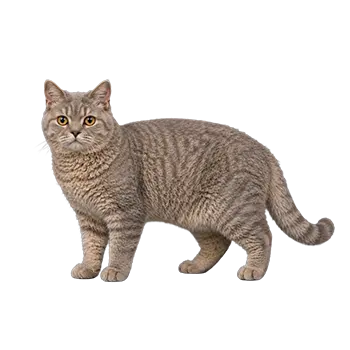

Growth & Physical Development

The Selkirk Rex enters its juvenile phase around eight to twelve weeks of age and continues through approximately twelve months, though some individuals may not reach full physical maturity until closer to two years. During this period, the kitten transitions from the compact, round-bodied shape of early infancy into a longer, more muscular frame. Selkirk Rex cats are a medium to large breed with substantial bone structure, and the adolescent months are when much of that frame fills in.

Weight gain during the juvenile stage is steady but less dramatic than the rapid doubling seen in the neonatal period. A healthy Selkirk Rex kitten typically weighs between 1.5 and 2.5 kilograms at three months and may reach 3 to 5 kilograms by six months, depending on sex and individual genetics. Males tend to be noticeably larger than females in this breed, and the difference becomes increasingly apparent during adolescence. Regular weigh-ins every two weeks help track healthy growth patterns.

The coat undergoes significant transformation during the juvenile stage. Many Selkirk Rex kittens experience a phase where their curls loosen, flatten, or seem to disappear almost entirely, sometimes between four and ten months of age. This can be alarming to first-time owners, but it is a well-documented characteristic of the breed. The curls typically return and reach their full expression between eighteen months and two years of age. The longhair variety tends to show more dramatic curl development than the shorthair.

Dental development is another important milestone during this stage. Kittens begin losing their deciduous teeth around three to four months of age, and the adult teeth emerge over the following months. Retained baby teeth can occasionally cause alignment issues, so monitoring the mouth during this transition is worthwhile. If a baby tooth remains firmly in place after the corresponding adult tooth has erupted, consult your veterinarian about whether removal is necessary.

Nutrition & Diet Transition

Juvenile Selkirk Rex cats have high caloric and nutritional demands to support their active growth and development. A high-quality kitten food formulated for growth provides the appropriate balance of protein, fat, calcium, and phosphorus needed during this stage. Protein content should be the primary focus, as it supports muscle development and the production of the breed's distinctive curly coat. Look for foods where a named animal protein is the first ingredient.

Feeding frequency typically transitions from four meals per day at eight weeks to three meals by four months and two meals by six months of age. Some owners prefer to offer measured free-feeding during the juvenile period, particularly for cats that self-regulate well, but this approach requires monitoring to prevent excessive weight gain. The Selkirk Rex has a sturdy, rounded body type that can mask early weight gain, making portion awareness important even during the growth phase.

Fresh water should be available at all times, and many Selkirk Rex cats show a preference for running water. A circulating water fountain can encourage adequate hydration, which supports kidney function and overall health. Avoid offering milk or dairy products as treats, since most cats become lactose intolerant after weaning and dairy can cause digestive upset.

The transition from kitten food to adult food typically occurs between twelve and eighteen months, depending on the individual cat's growth rate and body condition. Because the Selkirk Rex is a larger breed that matures slowly, your veterinarian may recommend extending kitten food beyond the standard twelve-month mark. The transition should be gradual over seven to ten days, mixing increasing proportions of adult food with decreasing amounts of kitten food to prevent gastrointestinal disturbance.

Behavioral Changes

Adolescence in the Selkirk Rex brings a surge of energy and curiosity that transforms a relatively calm kitten into an active explorer. Expect increased running, climbing, and investigative behavior as the juvenile cat tests its physical abilities and learns about its environment. This breed tends to be less hyperactive than some other breeds, but the adolescent period is still noticeably more energetic than the calm demeanor the Selkirk Rex is known for in adulthood.

Play behavior becomes more complex and intense during this stage. Kittens engage in stalking, pouncing, and chasing games that mimic hunting behaviors. Interactive play with appropriate toys helps channel this energy productively and strengthens the bond between cat and owner. Avoid using hands or feet as play targets, as this teaches the kitten that biting and scratching human skin is acceptable, a habit that becomes problematic as the cat grows larger and stronger.

Some juvenile Selkirk Rex cats begin testing boundaries during this period, which may include counter surfing, scratching furniture, or attempting to access forbidden areas. This is normal developmental behavior rather than defiance, and it responds well to consistent redirection rather than punishment. Providing ample scratching surfaces, cat trees, and enrichment activities addresses the underlying needs driving these behaviors.

Social behavior also evolves during adolescence. The Selkirk Rex is a breed that generally enjoys companionship, and juvenile cats may become more demanding of attention or develop stronger attachment to particular family members. Some adolescent cats experience a brief period of increased independence, seeming less cuddly than they were as young kittens, before settling back into the breed's characteristically affectionate temperament as they mature.

Training Priorities

The juvenile period is the ideal time to establish household routines and expectations for your Selkirk Rex. Litter box habits should already be well established by the time a kitten comes home, but reinforcing proper use by keeping the box clean and accessible prevents lapses. Most Selkirk Rex cats are naturally fastidious, and litter box issues during adolescence usually point to environmental problems such as a dirty box, an inconvenient location, or competition with other household cats.

Scratching behavior should be directed toward appropriate surfaces from an early age. Provide a variety of scratching options including vertical posts, horizontal pads, and angled surfaces made from sisal, cardboard, and carpet. Place scratching posts near areas where the cat sleeps or spends time, as cats often scratch after waking. When the kitten uses an appropriate surface, positive reinforcement through treats or praise strengthens the habit.

Basic handling skills are important training goals during the juvenile stage. Accustom your Selkirk Rex to having its paws touched, ears examined, mouth opened, and body gently restrained. These handling exercises make veterinary visits, grooming sessions, and nail trimming far less stressful for both cat and owner throughout the cat's life. Short, positive sessions with food rewards work well for building tolerance.

The Selkirk Rex's patient, people-oriented nature makes it more receptive to training than many cat breeds. Many individuals can learn to respond to their name, come when called, and even perform simple tricks using clicker training methods. Training sessions should be kept brief, around five minutes, and always end on a positive note. The goal is not obedience in the canine sense but rather building communication and engagement between cat and owner.

Exercise & Activity

Juvenile Selkirk Rex cats need regular physical activity to support healthy muscle development, maintain appropriate weight, and prevent boredom-related behavioral issues. Despite the breed's reputation for being laid-back, adolescent cats have considerable energy that needs an outlet. Interactive play sessions of fifteen to twenty minutes, two to three times daily, provide both physical exercise and mental stimulation.

Toy variety keeps the juvenile cat engaged and prevents habituation. Wand toys with feathers or fabric strips appeal to hunting instincts, while small balls and rolling toys encourage solo play when the owner is unavailable. Puzzle feeders and treat-dispensing toys add mental challenge to mealtime and slow down fast eaters. Rotating toys every few days maintains novelty without requiring a constant supply of new purchases.

Vertical space is particularly important for developing cats. Cat trees, wall-mounted shelves, and window perches allow the juvenile Selkirk Rex to climb, survey its territory from elevated positions, and exercise muscles used in jumping and balancing. A sturdy cat tree with multiple levels placed near a window provides hours of entertainment through bird watching and sunbathing, activities that satisfy the cat's natural curiosity without requiring direct human involvement.

While the Selkirk Rex is generally an indoor breed, some owners provide supervised outdoor access through enclosed catios or leash training. If leash walking is a goal, the juvenile period is the best time to introduce a harness and leash. Begin indoors, allowing the cat to wear the harness for short periods while receiving treats, and gradually introduce outdoor environments once the cat is comfortable with the equipment. Not all cats take to leash walking, and forcing the experience creates negative associations.

Spay/Neuter Considerations

The decision to spay or neuter a Selkirk Rex is typically made during the juvenile period, with most veterinarians recommending the procedure between four and six months of age. Early spaying or neutering before the first heat cycle in females significantly reduces the risk of mammary cancer and eliminates the possibility of pyometra, a life-threatening uterine infection. For males, neutering reduces territorial spraying, roaming behavior, and aggression toward other cats.

Some veterinarians and breeders advocate for waiting until the cat is closer to twelve months before altering, particularly for males of larger breeds like the Selkirk Rex. The reasoning is that sex hormones may contribute to the full development of bone structure and muscle mass. Discuss the timing with your veterinarian, taking into account your cat's individual growth pattern, living situation, and whether intact cats of the opposite sex are present in the household.

The surgical procedure itself is routine and most cats recover quickly. Females undergo a more involved surgery than males, and a recovery period of ten to fourteen days is typical, during which activity should be limited to prevent the incision from opening. Males usually recover within a few days. Follow your veterinarian's instructions regarding pain management, activity restriction, and incision monitoring during the postoperative period.

After spaying or neutering, metabolic rate decreases and the risk of weight gain increases. Adjusting food portions downward by approximately ten to fifteen percent after the procedure helps prevent the gradual weight gain that commonly follows alteration. The Selkirk Rex's solid build makes subtle weight changes easy to overlook, so regular body condition assessments and periodic weigh-ins become even more important after the procedure.

Socialization & Exposure

Continued socialization during the juvenile period builds on the foundation established during the kitten's first weeks. The Selkirk Rex is a naturally sociable breed that tends to adapt well to various household environments, but ongoing positive exposure to new people, sounds, and situations reinforces confidence and prevents fearfulness. Inviting calm visitors to interact with the kitten, allowing it to approach at its own pace, helps build comfort with unfamiliar humans.

Introduction to other household pets should be managed carefully during this stage. The Selkirk Rex generally coexists well with other cats and cat-friendly dogs, but introductions should be gradual. Begin with scent swapping by exchanging bedding between animals, progress to visual contact through a barrier, and eventually allow supervised face-to-face meetings. Rushing introductions can create lasting tension between animals, while patient, staged introductions set the stage for harmonious cohabitation.

Exposure to routine household experiences is an often-overlooked aspect of socialization. Running the vacuum cleaner, using the blender, having the doorbell ring, and encountering visitors with different appearances all contribute to a well-adjusted adult cat. The juvenile Selkirk Rex that learns these events are normal and nonthreatening becomes an adult that remains calm during everyday household activities rather than hiding under the bed.

Travel and carrier training are valuable socialization exercises even if regular travel is not anticipated. Every cat will need to visit the veterinarian, and some may need to travel during emergencies or household moves. Leaving the carrier out as a piece of furniture, feeding meals inside it, and taking short car rides that do not end at the veterinary clinic help the juvenile cat associate the carrier and car travel with neutral or positive experiences rather than fear and discomfort.

Always consult a qualified professional before making any health-related decisions. This content is provided for informational reference only and should not replace professional guidance specific to your animal.