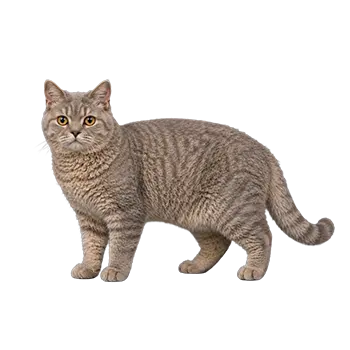

Peak Health Maintenance

The adult Selkirk Rex reaches full physical maturity between two and three years of age, settling into the sturdy, rounded body and plush curly coat that defines the breed. During the prime years, which span roughly from age two through age ten, the focus shifts from growth and development to maintaining the excellent health established during kittenhood. A proactive approach to health care during this stage can prevent or delay many of the conditions that affect cats later in life.

Annual veterinary examinations are the cornerstone of adult health maintenance. These visits provide an opportunity for your veterinarian to assess weight, dental health, heart and lung function, and overall body condition. Blood work and urinalysis performed during annual exams establish baseline values that become invaluable reference points if health changes occur later. The Selkirk Rex's calm temperament typically makes veterinary visits less stressful than for many breeds, but maintaining carrier comfort through ongoing positive associations remains helpful.

Vaccination protocols during adulthood are tailored to the individual cat's risk profile and lifestyle. Indoor-only Selkirk Rex cats may require fewer boosters than cats with outdoor access, but core vaccinations against panleukopenia, calicivirus, and rhinotracheitis are generally maintained on a schedule determined by your veterinarian. Rabies vaccination is required by law in most jurisdictions regardless of indoor status. Discuss your cat's specific vaccination needs at each annual visit.

Parasite prevention remains important throughout adulthood, even for indoor-only cats. Fleas, intestinal parasites, and heartworm can affect cats that never leave the house, as parasites can enter on shoes, clothing, or other pets. Year-round preventive treatments appropriate for your region and your cat's living situation are recommended. Your veterinarian can advise on the most appropriate parasite prevention program based on local risk factors.

Nutrition at Maturity

The adult Selkirk Rex requires a well-balanced diet formulated for maintenance rather than growth. High-quality adult cat food with a named animal protein as the primary ingredient provides the essential amino acids, fatty acids, vitamins, and minerals needed to sustain the breed's muscular body and distinctive coat. Taurine, an amino acid essential for feline heart and eye health, must be present in adequate amounts in any complete cat food.

Portion control is particularly important for the adult Selkirk Rex. The breed's stocky, rounded body shape can easily mask gradual weight gain, and excess weight places strain on joints, increases the risk of diabetes, and can exacerbate potential cardiac issues. Feeding measured meals twice daily rather than free-feeding allows precise control over caloric intake. Body condition scoring, where you assess the cat's ribs, waist, and abdominal tuck through gentle palpation, should be performed regularly at home between veterinary visits.

The curly coat of the Selkirk Rex benefits from adequate dietary fat and omega fatty acids. If the coat appears dry, brittle, or loses its curl definition, nutritional factors may be contributing. Before adding supplements, consult your veterinarian to rule out other causes and to determine whether a dietary adjustment or supplementation is appropriate. Excessive supplementation can create imbalances that cause more harm than benefit.

Treats should constitute no more than ten percent of the adult cat's daily caloric intake. While the Selkirk Rex's sociable nature makes it an eager participant in treat-based interactions, excessive treats contribute to weight gain and can unbalance an otherwise complete diet. Consider using small pieces of the cat's regular food as training rewards, or select treats specifically formulated to complement a balanced diet.

Exercise & Fitness

Adult Selkirk Rex cats maintain a moderate activity level that balances their playful nature with their reputation for being relaxed companions. While they are not as demanding of activity as some high-energy breeds, regular exercise is essential for maintaining muscle tone, joint health, and a healthy weight. Two interactive play sessions of ten to fifteen minutes each day provide a baseline of physical activity for most adults.

The Selkirk Rex often retains a kitten-like playfulness well into adulthood, responding enthusiastically to wand toys, laser pointers used responsibly with a physical toy to catch at the end, and puzzle feeders that require problem-solving. This breed tends to enjoy games that involve stalking and pouncing rather than sustained high-speed chasing. Observing your cat's play preferences and catering to them increases engagement and ensures regular activity.

Environmental enrichment complements structured play sessions. Cat trees with multiple platforms, window perches for bird watching, and strategically placed shelves that create elevated pathways through rooms all encourage movement throughout the day. Rotating the arrangement of furniture and enrichment items periodically stimulates exploration and prevents environmental stagnation. Even small changes, such as placing a paper bag or cardboard box in a new location, can spark activity and investigation.

For multi-cat households, social play between compatible cats provides additional exercise and mental stimulation. The Selkirk Rex's easygoing temperament makes it a good candidate for multi-cat living, and cats that engage in mutual chase and wrestling games benefit from exercise that occurs naturally throughout the day. However, it is important to distinguish between play and aggression. Playful interactions are reciprocal, relatively quiet, and do not result in injuries, while aggressive encounters involve hissing, growling, flattened ears, and one cat consistently fleeing.

Preventive Health Care

Beyond annual veterinary visits, several breed-specific health considerations deserve attention during the Selkirk Rex's adult years. The breed's Persian ancestry introduces a predisposition to polycystic kidney disease, a genetic condition in which fluid-filled cysts develop in the kidneys and can progressively impair function. Responsible breeders screen for PKD, but adult cats should be monitored through periodic ultrasound or blood work as recommended by your veterinarian, particularly if parental screening status is unknown.

Hypertrophic cardiomyopathy, the most common form of heart disease in cats, has been identified across many breeds including those in the Selkirk Rex's lineage. Regular cardiac auscultation during veterinary exams can detect murmurs that may indicate developing heart disease. If a murmur is identified, echocardiography provides detailed assessment of heart structure and function. Early detection allows for management strategies that can slow disease progression and maintain quality of life.

Dental disease is one of the most prevalent health issues in adult cats, and the Selkirk Rex is no exception. Periodontal disease begins with plaque accumulation and can progress to gingivitis, tooth resorption, and bone loss if left untreated. Annual dental assessments and professional cleanings as recommended by your veterinarian help prevent painful dental conditions. At home, daily tooth brushing with a feline-specific toothpaste is the gold standard for dental care, though dental treats and water additives can provide supplemental support.

Weight monitoring throughout adulthood serves as an early warning system for multiple health conditions. Sudden weight loss can indicate hyperthyroidism, diabetes, kidney disease, or cancer, while gradual gain increases the risk of developing these same conditions. Recording your cat's weight monthly and noting any changes of more than five percent over a short period provides objective data that helps your veterinarian identify trends before they become clinical problems.

Behavioral Maturity

By two to three years of age, the Selkirk Rex has typically settled into its adult personality. The breed is known for a calm, patient temperament with a playful streak that persists throughout life. Adult Selkirk Rex cats tend to be people-oriented without being excessively demanding, content to be near their owners without requiring constant attention. This balanced temperament makes them well-suited to a variety of household types, from active families to quieter adult homes.

The adult Selkirk Rex generally maintains good relationships with other household pets and adapts well to changes in the family dynamic, such as the addition of a new pet or a new family member. However, any significant environmental change, including a move, renovation, or shift in household routine, can cause temporary behavioral changes such as hiding, reduced appetite, or litter box avoidance. Providing consistency in feeding schedules, maintaining access to familiar items like bedding and scratching posts, and allowing the cat to adjust at its own pace helps ease transitions.

Stress-related behaviors in the adult Selkirk Rex are typically subtle and easy to overlook. Over-grooming, which in this breed may manifest as patches of straightened or thinned curls, changes in vocalization patterns, or withdrawal from social interaction can all indicate underlying stress or discomfort. Because cats are adept at masking discomfort, behavioral changes should always be evaluated in consultation with a veterinarian to rule out medical causes before assuming a purely behavioral origin.

Maintaining mental stimulation throughout adulthood prevents boredom and the behavioral issues it can produce. Food puzzles, training sessions that teach new behaviors, novel toys, and opportunities to observe outdoor wildlife through windows all contribute to cognitive engagement. The Selkirk Rex's intelligence and willingness to interact make it responsive to enrichment efforts, and a mentally stimulated cat is generally a more contented and better-behaved companion.

Dental & Grooming

The Selkirk Rex's curly coat requires a grooming approach that differs from both straight-coated breeds and other rex breeds. Unlike the Devon Rex or Cornish Rex, which have fine, sparse coats, the Selkirk Rex has a dense, plush coat with loose curls that can mat if neglected. However, excessive brushing can disrupt the curl pattern and cause the coat to appear frizzy. Finding the right balance is key to maintaining both coat health and the breed's characteristic appearance.

For the longhair variety, gentle combing with a wide-toothed comb once or twice per week is typically sufficient to prevent mats while preserving curl structure. Focus on areas prone to tangling, including behind the ears, under the forelegs, and along the belly. The shorthair variety requires less maintenance but still benefits from weekly combing to remove loose hair and distribute natural oils. After grooming, gently scrunching the curls with your hands can help restore their shape.

Bathing frequency depends on the individual cat's coat condition. Some Selkirk Rex cats develop a slightly greasy coat due to the density of their curls trapping natural skin oils, and may benefit from bathing every four to six weeks. Use a gentle cat-specific shampoo and avoid conditioners that can weigh down the curls. After bathing, blot the coat with a towel rather than rubbing, which can cause frizz and breakage. Allow the coat to air dry whenever possible, as blow dryers can damage the curl structure.

Regular nail trimming every two to three weeks, ear cleaning as needed, and daily dental care complete the adult Selkirk Rex's grooming routine. The breed's relaxed temperament generally makes grooming sessions manageable, particularly when handling has been practiced since kittenhood. Establishing a consistent grooming schedule helps the cat anticipate and accept these activities as a normal part of its routine rather than an unwelcome disruption.

Always consult a qualified professional before making any health-related decisions. This content is provided for informational reference only and should not replace professional guidance specific to your animal.