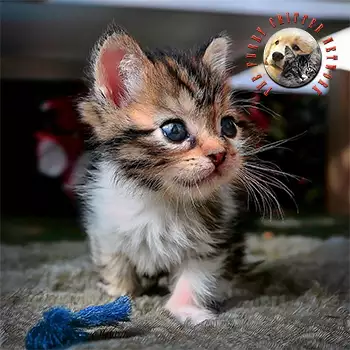

Munchkin cats are generally considered to enter their senior years at around ten to twelve years of age, though individual cats may show signs of aging earlier or later depending on genetics, overall health, and lifestyle factors. The transition from mature adult to senior is typically gradual rather than sudden, and many Munchkins retain their playful disposition well into their later years.
The concept of feline aging does not map neatly onto human years, but a general guideline places a ten-year-old cat at roughly the equivalent of a 56-year-old human. By twelve years, a cat is approaching the equivalent of the mid-sixties. Understanding that your Munchkin is entering a different phase of life allows you to adjust care proactively rather than waiting for problems to appear.
Common early signs that your Munchkin is transitioning into the senior stage include a gradual decrease in activity level, longer and more frequent naps, reduced interest in vigorous play, and subtle changes in coat quality such as a slightly duller appearance or thinner coverage. You may also notice that your cat is less inclined to explore new spaces or respond to stimuli that once provoked immediate curiosity.
The most important step you can take as your Munchkin enters its senior years is to increase the frequency of veterinary visits from once annually to twice per year. Biannual examinations with comprehensive bloodwork allow your veterinarian to detect age-related conditions such as kidney disease, hyperthyroidism, diabetes, and dental disease in their earliest and most treatable stages.