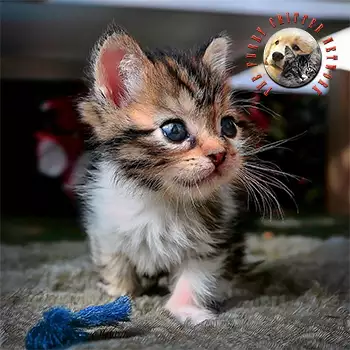

Growth & Physical Development

The juvenile period for Munchkin cats spans roughly from three months to one year of age, a stretch of rapid physical transformation and boundless energy. During this time, your Munchkin will gain significant body mass while maintaining the breed's distinctive short-legged silhouette. Growth rate varies between individuals, but most Munchkins reach close to their adult weight of five to nine pounds by around ten to twelve months of age.

Because Munchkins carry a genetic mutation that affects long bone development, their legs remain proportionally shorter than those of other breeds even as the rest of the body fills out. This does not typically impede their agility or movement, but you should monitor for any signs of abnormal gait, limping, or reluctance to jump that could suggest orthopedic issues. Most Munchkins compensate remarkably well for their stature and move with surprising speed and confidence.

During this growth phase, you may notice your Munchkin going through somewhat gangly or awkward stages as different body parts grow at slightly different rates. The head may appear large relative to the body for a time, or the torso may lengthen noticeably before the legs catch up proportionally. These temporary imbalances are perfectly normal and resolve as the cat approaches physical maturity.

Regular weigh-ins every two to four weeks help you track healthy growth and catch any plateaus or sudden weight changes early. Your veterinarian can compare your kitten's growth trajectory against expected ranges for the breed and flag any concerns. By the end of this stage, your Munchkin should have a well-proportioned body with solid muscle tone, clear eyes, a healthy coat, and the confident bearing of a young cat coming into its own.

Nutrition & Diet Transition

Juvenile Munchkins have high caloric and nutritional demands to support their rapid growth. Continue feeding a high-quality kitten formula food until your Munchkin reaches approximately one year of age, as these foods are specifically formulated with the elevated protein, fat, and mineral levels that growing cats require. Kitten food also provides the correct calcium-to-phosphorus ratio essential for healthy bone development, which is particularly relevant for a breed with a skeletal mutation.

Feed measured portions three to four times daily until around six months of age, then transition to two to three meals per day. Free-feeding dry kibble is generally discouraged for Munchkins because their compact build makes them prone to weight gain, and excess weight places disproportionate stress on their shorter legs and lower spine. Maintaining a lean body condition during the growth phase helps protect joint health throughout life.

Fresh water should be available at all times, and many Munchkins show a preference for running water from a pet fountain. Adequate hydration supports kidney function, digestion, and overall health. If you are feeding primarily dry food, consider supplementing with wet food to increase moisture intake.

The transition from kitten food to adult food should happen gradually around the twelve-month mark. Mix increasing proportions of adult food into the kitten formula over seven to ten days to avoid digestive upset. Choose an adult food that lists a named animal protein as the first ingredient and avoids excessive fillers. Consult your veterinarian about the ideal caloric intake for your individual Munchkin, as activity level, body condition, and whether the cat has been spayed or neutered all influence dietary needs.

Behavioral Changes

Adolescence brings a surge of energy, curiosity, and occasional mischief that can catch even experienced cat owners off guard. Munchkin kittens are already known for their playful, outgoing dispositions, and the juvenile phase amplifies these traits considerably. Expect your young Munchkin to race through the house, bat at anything that moves, investigate every cupboard and drawer, and test boundaries with a combination of charm and persistence.

Despite their short legs, juvenile Munchkins are remarkably athletic and resourceful. They may not clear the same vertical heights as longer-legged breeds, but they compensate by finding creative routes to elevated surfaces, using furniture as stepping stones and showing impressive horizontal speed. Providing cat trees with closely spaced platforms and ramps allows them to satisfy their climbing instincts safely.

This is also the age when some Munchkins develop a well-documented fondness for collecting and hoarding small objects. Pens, hair ties, bottle caps, and small toys may disappear from countertops only to be discovered stashed under furniture or in a favorite hiding spot. While this behavior is endearing, ensure that the objects being collected are not choking hazards or otherwise dangerous.

Some adolescent cats go through a phase of testing social boundaries, including play biting, ambushing ankles, or demanding attention at inconvenient times. Consistent, gentle redirection is more effective than punishment. Redirect biting onto appropriate toys, reward calm behavior with treats and affection, and avoid using your hands as play objects. Munchkins are intelligent and respond well to positive reinforcement, so patience during this sometimes exasperating stage pays off with a well-mannered adult cat.

Training Priorities

Munchkins are among the more trainable cat breeds, thanks to their intelligence, food motivation, and desire for human interaction. The juvenile period is the ideal time to establish good habits and even teach a few tricks. Start with the essentials: reliable litter box use, coming when called, and accepting being handled for grooming and veterinary care.

Litter box training is usually straightforward with Munchkins, as most kittens learn from their mother or adopt the habit quickly when provided with a clean, accessible box. Because of their shorter stature, choose a litter box with low sides or a cut-down entry point so your Munchkin can enter and exit comfortably. Maintain at least one box per cat plus one extra, and scoop daily. If accidents occur, examine whether the box location, litter type, or cleanliness might be the issue before assuming a behavioral problem.

Scratching is a natural and necessary behavior, not a discipline problem. Provide sturdy scratching posts and pads in multiple locations and reward your Munchkin for using them. Sisal rope posts, cardboard scratchers, and carpet-covered surfaces all appeal to different cats, so experiment to find your kitten's preference. Place scratchers near sleeping areas and along favorite travel routes through the house.

Beyond basics, many Munchkins enjoy learning tricks such as sit, high five, fetch, and spin. Use small, high-value treats and keep training sessions under five minutes to maintain enthusiasm. Clicker training works exceptionally well with this breed. The mental stimulation from training sessions helps channel adolescent energy productively and strengthens the bond between you and your cat.

Exercise & Activity

Juvenile Munchkins have energy to burn, and providing adequate outlets for physical activity is essential for both their physical health and behavioral well-being. Despite their shorter legs, Munchkins are active, agile cats that enjoy vigorous play sessions. Interactive toys such as feather wands, laser pointers used responsibly with a treat reward at the end, and motorized chase toys are excellent for engaging your kitten in the kind of fast-paced play that mimics natural hunting behavior.

Aim for at least two dedicated play sessions of 15 to 20 minutes each day, in addition to providing environmental enrichment that encourages self-directed activity. Puzzle feeders, treat-dispensing balls, and rotating toy selections keep your Munchkin mentally stimulated between interactive sessions. Boredom in an adolescent cat frequently leads to destructive behavior, so a well-enriched environment is both a kindness and a practical investment in your furniture.

Cat trees and climbing structures designed with Munchkins in mind feature platforms that are closer together than standard cat furniture, allowing your short-legged companion to navigate comfortably. Window perches, tunnel systems, and elevated walkways along walls all expand your Munchkin's territory and provide exercise opportunities. Many Munchkins also enjoy supervised outdoor time in a secure catio or on a harness and leash.

While encouraging activity, be mindful that Munchkins should not be expected to make the same high jumps as longer-legged breeds. Avoid placing essential resources like food, water, or litter boxes in locations that require significant jumping. Watch for any signs of discomfort during play, such as reluctance to move, favoring a leg, or excessive panting, and consult your veterinarian if you observe any movement abnormalities.

Spay/Neuter Considerations

Most veterinarians recommend spaying or neutering Munchkin cats between four and six months of age, before the onset of sexual maturity. Early sterilization prevents unwanted litters, eliminates heat cycles and spraying behavior, and reduces the risk of certain reproductive cancers. For Munchkins specifically, responsible sterilization is particularly important because the breed's genetic mutation requires careful, knowledgeable breeding practices that should only be undertaken by experienced breeders.

The surgical procedures are routine and well-tolerated by the vast majority of healthy kittens. Your veterinarian will perform pre-surgical bloodwork to ensure your Munchkin is a good candidate for anesthesia. Recovery is typically quick, with most kittens returning to normal activity within a few days for males and about a week for females. Follow your veterinarian's post-operative instructions regarding activity restriction, incision monitoring, and pain management.

After spaying or neutering, your Munchkin's metabolic rate will decrease, which means caloric needs drop as well. Adjust food portions accordingly and monitor body condition closely in the months following surgery. Weight gain after sterilization is common and can be managed with appropriate portion control and continued regular exercise. Keeping your Munchkin at a healthy weight is especially important given the breed's shorter limbs and the additional stress that excess weight places on the joints and spine.

Discuss the timing with your veterinarian, as individual circumstances such as body size, overall health, and household dynamics may influence the optimal age for the procedure. Regardless of timing, sterilization is one of the most impactful health decisions you can make for a pet Munchkin and contributes to a longer, healthier life.

Socialization & Exposure

While the most sensitive socialization window closes around seven weeks of age, the juvenile period remains critically important for reinforcing and expanding your Munchkin's social skills. Continued positive exposure to new people, animals, environments, and experiences during adolescence builds the confident, adaptable temperament that makes Munchkins such appealing companions.

Invite a variety of visitors to your home and encourage gentle interaction with your kitten. Exposure to people of different ages, appearances, and energy levels helps your Munchkin generalize its comfort with humans rather than bonding exclusively to household members. Offer treats to visitors to hand-feed the kitten, creating positive associations with new faces.

If you have other pets or plan to introduce new animals in the future, the juvenile period is an excellent time to practice structured introductions. Munchkins tend to be sociable with other cats and often coexist well with cat-friendly dogs. Supervise all interactions, provide each animal with its own resources and retreat spaces, and proceed at the pace of the least comfortable animal. Forced or rushed introductions can create lasting tension.

Expose your adolescent Munchkin to experiences it will encounter throughout life, including car rides in a secure carrier, visits to the veterinary clinic for positive social visits without procedures, different floor surfaces, grooming tools, and household sounds like the vacuum cleaner and doorbell. Pair each new experience with treats and calm praise. A juvenile Munchkin that learns the world is generally safe and interesting becomes an adult cat that handles change, travel, and new situations with composure.

Always consult a qualified professional before making any health-related decisions. This content is provided for informational reference only and should not replace professional guidance specific to your animal.