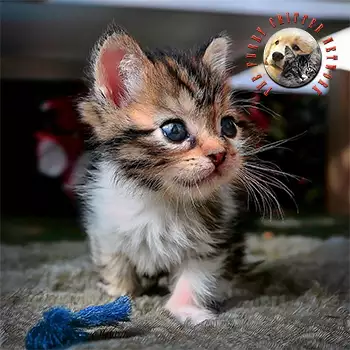

Recognizing that your Munchkin is approaching the end of its life is one of the most difficult aspects of pet ownership, yet understanding the signs allows you to provide the compassionate care your companion deserves. The transition from manageable senior decline to end-stage deterioration can happen gradually or relatively quickly, depending on the underlying condition.
Common signs that a cat is nearing the end of life include a sustained loss of appetite or complete refusal to eat, significant and progressive weight loss despite efforts to maintain nutrition, withdrawal from social interaction, and a marked decrease in grooming that leaves the coat dull and unkempt. A Munchkin that once greeted you at the door and sought your company may begin hiding in closets, under beds, or in other secluded spots.
Physical signs may include labored or irregular breathing, a noticeable drop in body temperature felt in the ears and paws, sunken or glazed eyes, incontinence, and a general loss of coordination or weakness in the limbs. For Munchkins with pre-existing mobility limitations, this decline may be particularly noticeable as they lose the ability to navigate even the accommodations you have put in place.
It is important to distinguish between a treatable crisis and irreversible decline. A sudden change in your Munchkin's condition always warrants a veterinary evaluation, as some conditions that mimic end-stage decline are actually manageable emergencies. Your veterinarian can help you understand whether your cat's current state represents a recoverable setback or a natural progression toward the end of life.