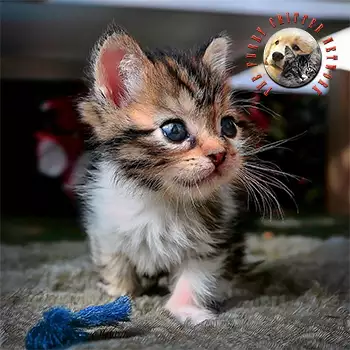

The First 24 Hours

The arrival of Munchkin kittens is an event that requires attentive observation and a calm environment. Newborn Munchkins are born with their eyes and ear canals sealed shut, relying entirely on their sense of touch and smell to locate their mother. Due to the breed's characteristically shorter legs, it is important to watch that each kitten can navigate toward the queen without difficulty, especially in the first moments after birth. The mother will typically handle cleaning and stimulating each kitten, but you should verify that every kitten is breathing clearly and moving toward a nipple.

Within the first hour, each kitten should latch on and begin nursing to receive colostrum, the nutrient-rich first milk that delivers essential antibodies. Colostrum intake during this initial window is critical for building the kitten's passive immunity, as Munchkin kittens are born with virtually no immune protection of their own. If a kitten appears unable to latch or is being pushed aside by littermates, gentle repositioning can help ensure equal access.

During the first full day, keep the whelping area warm, quiet, and dimly lit. Avoid handling the kittens more than necessary, as excessive human intervention can stress the mother and disrupt bonding. Weigh each kitten at birth using a small kitchen scale and record the weights so you can track daily gains. A healthy Munchkin newborn typically weighs between 85 and 120 grams at birth, though slight variations are normal within a litter.

Watch the queen closely for signs of complications such as prolonged straining without delivery, excessive bleeding, or refusal to attend to her kittens. Any of these situations warrants an immediate call to your veterinarian. The first 24 hours set the foundation for everything that follows, and a watchful but hands-off approach gives the new family the best start.

Nursing & Nutrition

For the first three to four weeks of life, the queen's milk is the sole source of nutrition for Munchkin kittens. Her milk provides a perfectly balanced combination of proteins, fats, and carbohydrates along with antibodies that protect against common feline diseases. Ensure the mother has unlimited access to high-quality kitten-formula food and fresh water during this period, as lactation places enormous caloric demands on her body.

Monitor nursing sessions to confirm that all kittens are feeding regularly. Munchkin litters can vary in size, and smaller or weaker kittens may struggle to compete for a nipple. Rotating kittens to different positions can help ensure everyone gets adequate milk. A well-fed kitten will have a round, firm belly after nursing and will sleep contentedly between feedings. A kitten that cries persistently or has a flat or concave belly may not be getting enough milk.

If the queen is unable to nurse due to illness, insufficient milk supply, or rejection of a kitten, you will need to step in with a commercially prepared kitten milk replacer. Never use cow's milk or human infant formula, as these can cause severe digestive upset in kittens. Bottle-feed every two to three hours around the clock for the first two weeks, then gradually extend intervals as the kittens grow. Always feed kittens in a belly-down position to prevent aspiration.

Around three and a half to four weeks of age, you can begin introducing a shallow dish of wet kitten food mixed with milk replacer into a soft gruel. This weaning process is gradual and should complement continued nursing rather than replace it immediately. Most Munchkin kittens are fully weaned by seven to eight weeks, though some may nurse for comfort beyond that point.

Developmental Milestones

Munchkin kittens follow the same general developmental timeline as other domestic cats, though their shorter legs may influence the timing of certain motor milestones. During the first week, kittens are essentially immobile, relying on a slow crawling motion to stay near their mother. Their primary activities are nursing and sleeping, and they spend roughly 90 percent of their time asleep.

Between days 7 and 14, the eyes begin to open, typically starting as narrow slits before fully opening by around two weeks of age. All kittens are born with blue eyes, and their permanent eye color will not develop until they are several weeks older. The ear canals also begin to open during this period, and kittens start responding to sounds in their environment.

By the third week, Munchkin kittens begin attempting to stand and take their first wobbly steps. Their shorter leg structure means they may appear less steady than longer-legged breeds at this stage, but this is perfectly normal for the breed. Baby teeth start erupting around two to three weeks, and kittens begin exploring their surroundings with increasing curiosity. Social play between littermates typically begins around three to four weeks.

From weeks four through eight, development accelerates rapidly. Kittens refine their coordination, begin using the litter box, develop more complex play behaviors, and start forming social bonds with humans and other animals in the household. By eight weeks, a healthy Munchkin kitten should be mobile, eating solid food, using the litter box consistently, and displaying the playful, outgoing personality the breed is known for.

Temperature & Environment

Newborn Munchkin kittens cannot regulate their own body temperature for the first several weeks of life. This makes environmental temperature one of the most critical factors in neonatal survival. The whelping area should be maintained at approximately 85 to 90 degrees Fahrenheit during the first week, then gradually reduced to around 80 degrees by the end of the second week, and to roughly 75 degrees by week four.

A heating pad set on low and placed beneath half of the nesting box provides a warm zone while allowing kittens and the queen to move to a cooler side if needed. Never place kittens directly on an uncovered heating pad, as their thin skin burns easily. Alternatively, a heat lamp mounted well above the box can provide ambient warmth, but it must be positioned carefully to avoid overheating. Monitor the temperature at kitten level with a thermometer rather than relying on room temperature alone.

The nesting area should be draft-free, quiet, and located away from household traffic. Line the box with soft, washable bedding such as fleece blankets or clean towels, and change the bedding daily or whenever it becomes soiled. Avoid using straw, shredded paper, or loose fabrics with threads that could entangle tiny limbs. The sides of the box should be high enough to contain the kittens but low enough for the mother to enter and exit easily.

As the kittens grow and begin exploring beyond the nesting box around three to four weeks, gradually expand their accessible area while ensuring it remains safe. Remove any small objects that could be swallowed, block access to gaps or ledges, and keep other household pets at a respectful distance until proper introductions can be managed.

Early Socialization

The socialization window for kittens is remarkably brief, spanning roughly from two to seven weeks of age, with the most sensitive period occurring between three and five weeks. Experiences during this window shape a Munchkin kitten's lifelong comfort with people, other animals, and new environments. Gentle, positive handling during this period produces confident, well-adjusted adult cats.

Begin by handling each kitten briefly and gently starting around the end of the second week, once their eyes and ears are open. Keep sessions short, no more than a few minutes at a time, and always return the kitten to its mother promptly. Gradually increase handling duration as the kittens grow. Expose them to a variety of gentle touches, including stroking along the back, touching the paws, and lightly handling the ears and mouth. These early experiences make future grooming and veterinary examinations far less stressful.

Introduce the kittens to a range of normal household sounds, including conversation, television, vacuum cleaners at a distance, and kitchen noises. The goal is not to startle them but to normalize the everyday soundtrack of a home. Vary the people who handle the kittens so they learn that humans in general are safe and gentle, not just one familiar caregiver.

If you have other vaccinated, healthy pets in the home, supervised visual introductions can begin around four to five weeks. Keep interactions brief and positive, and never force contact. A Munchkin kitten that has positive experiences with dogs, other cats, and a variety of people during this window is far more likely to grow into the sociable, easygoing companion the breed is celebrated for.

Health Screening & Vet Visits

Schedule the first veterinary examination for Munchkin kittens at around two to three weeks of age, or sooner if any concerns arise. This initial visit allows the veterinarian to assess overall health, check for congenital abnormalities, evaluate heart and lung function, and examine each kitten's leg structure. Because the Munchkin's short legs result from a genetic mutation affecting cartilage and bone development, early orthopedic assessment can identify any issues that may need monitoring.

The veterinarian will also check for common neonatal problems such as cleft palate, umbilical hernias, and intestinal parasites. Fecal testing is typically performed to screen for roundworms and coccidia, both of which are common in young kittens and can be transmitted from the mother. Treatment, if needed, usually begins around two to three weeks of age with kitten-safe deworming protocols.

Vaccinations generally begin between six and eight weeks of age, starting with the core feline vaccines. Your veterinarian will outline a vaccination schedule that typically includes boosters at three- to four-week intervals until the kitten is around 16 weeks old. Discuss feline leukemia virus testing, especially if the kitten will have any exposure to cats of unknown status.

Keep detailed records of each kitten's weight gain, feeding patterns, and any health observations. Daily weight tracking is one of the simplest and most effective tools for catching problems early. A kitten that fails to gain weight or loses weight over a 24-hour period needs prompt veterinary attention, as neonatal kittens can decline rapidly.

When to Worry

Newborn Munchkin kittens are fragile, and recognizing warning signs early can make the difference between a minor setback and a life-threatening emergency. Persistent crying is one of the most important signals. While brief vocalizations are normal, a kitten that cries continuously for more than 30 minutes is likely cold, hungry, or in pain and needs immediate assessment.

Failure to gain weight is another critical red flag. Healthy kittens should gain approximately 10 to 15 grams per day during the first two weeks. A kitten that remains static or loses weight for more than one day may be ill, unable to nurse effectively, or being displaced by stronger littermates. Supplemental bottle feeding and a veterinary consultation are warranted without delay.

Watch for signs of fading kitten syndrome, a catch-all term for neonatal decline that can stem from infections, congenital defects, or inadequate nutrition. Symptoms include lethargy, cool body temperature, pale or bluish gums, refusal to nurse, and separation from the litter. Fading kitten syndrome progresses quickly, and early intervention with warmth, supplemental feeding, and veterinary care offers the best chance of survival.

Diarrhea, labored breathing, discharge from the eyes or nose, and a bloated or painful abdomen are all reasons to contact your veterinarian promptly. With Munchkin kittens specifically, also watch for any signs of severe spinal curvature or difficulty moving that goes beyond the normal unsteadiness of early development. While most Munchkin kittens develop normally, the genetic mutation that produces short legs can occasionally be associated with skeletal concerns that benefit from early detection.

Always consult a qualified professional before making any health-related decisions. This content is provided for informational reference only and should not replace professional guidance specific to your animal.