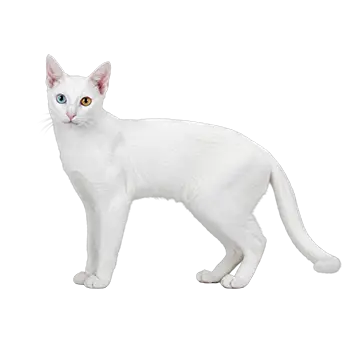

When Does Senior Begin?

The transition into the senior years for a Khao Manee typically begins around eight to ten years of age, though the exact timing varies considerably between individual cats. Some Khao Manee cats remain remarkably youthful in behavior and appearance well into their senior years, while others may begin showing signs of aging somewhat earlier. Understanding that aging is a gradual continuum rather than a sudden threshold helps caregivers prepare for and respond to changes as they emerge.

Veterinarians generally classify cats as senior between ages seven and ten, and geriatric after approximately fifteen years. The Khao Manee, with an average lifespan of ten to twelve years, enters the senior category at a point when proactive health management can significantly influence both the duration and quality of remaining life. This is the time to shift from annual to semi-annual veterinary examinations if you have not already done so.

Early indicators of aging in a Khao Manee may include subtle decreases in activity level, slightly longer rest periods between bouts of play, a gradual reduction in jumping height or frequency, and minor changes in coat texture or luster. These shifts are often so incremental that they go unnoticed unless you are deliberately observing for them. Keeping a health journal throughout the adult years provides a valuable baseline against which to measure these gradual changes.

It is important to recognize that aging itself is not a disease. Many changes associated with getting older are normal physiological processes that can be managed effectively with appropriate care adjustments. The goal of senior care is not to prevent aging but to ensure that your Khao Manee experiences the senior years with comfort, dignity, and the highest possible quality of life.

Mobility & Joint Health

Joint stiffness and reduced mobility are among the most common age-related changes in senior cats, though cats are remarkably adept at concealing discomfort. A Khao Manee that stops jumping onto favorite high perches, hesitates before leaping, or adopts a stiffer gait after rest periods may be experiencing the early effects of osteoarthritis or general joint degeneration. These behavioral changes are often the only visible signs of joint pain, as cats rarely vocalize in response to chronic discomfort.

Environmental modifications can make a significant difference in a senior Khao Manee's daily comfort and continued independence. Provide ramps or pet stairs to favorite elevated spots, lower the sides of the litter box for easier entry and exit, and ensure that food, water, and resting areas are accessible without navigating stairs. Heated beds or pads can soothe aching joints and are often eagerly adopted by senior cats who may not have shown interest in them during younger years.

Your veterinarian can recommend joint support strategies tailored to your cat's specific needs. These may include omega-3 fatty acid supplements to reduce inflammation, joint-specific nutritional supplements, or in more advanced cases, prescription pain management. Never administer human pain medications to a cat, as many common over-the-counter options are toxic to felines even in small doses.

Gentle, low-impact play remains important for senior cats to maintain muscle mass, joint flexibility, and mental engagement. Modify play sessions to accommodate your Khao Manee's current ability level, focusing on ground-level activities and shorter sessions. Even a few minutes of gentle interactive play each day helps maintain mobility and provides the social interaction this breed craves throughout its entire life.

Cognitive Changes

Cognitive decline, sometimes referred to as feline cognitive dysfunction, affects a significant proportion of cats over the age of eleven and can be particularly noticeable in an intelligent, interactive breed like the Khao Manee. Early signs may include disorientation in familiar environments, staring blankly at walls or into space, altered sleep-wake cycles with increased nighttime activity and vocalization, and changes in social interaction patterns.

A Khao Manee that has always been vocal may begin meowing loudly at unusual times, particularly during the night. This nighttime vocalization is one of the most commonly reported behavioral changes in cognitively declining cats and can be distressing for both the cat and its family. While the exact cause is not always clear, it may reflect confusion, anxiety, or disrupted circadian rhythms. Providing nightlights in hallways and keeping a predictable evening routine can help reduce nighttime disorientation.

Mental stimulation continues to play a role in supporting cognitive health in senior cats, much as it does in aging humans. Puzzle feeders adapted to your cat's ability level, gentle interactive play, and continued social engagement help maintain neural pathways and slow cognitive decline. Introducing new challenges should be balanced against the potential for frustration, keeping activities enjoyable rather than demanding.

If you notice signs of cognitive change in your Khao Manee, discuss them with your veterinarian. It is important to rule out other medical conditions that can mimic cognitive dysfunction, including hyperthyroidism, hypertension, pain, and sensory loss. Once a diagnosis is established, your veterinarian can recommend environmental modifications, dietary adjustments, and in some cases, supplements or medications that may help manage symptoms and slow progression.

Nutrition for Aging

Nutritional needs shift as the Khao Manee enters the senior years, and dietary adjustments can play a meaningful role in supporting health and comfort during this phase. Senior cats often experience changes in metabolism, digestive efficiency, and appetite that require careful nutritional management. Transitioning to a high-quality senior-formulated diet, ideally under veterinary guidance, ensures that your cat receives appropriate nutrient ratios for its changing body.

Protein requirements remain high in senior cats, and recent research has challenged the once-common practice of routinely restricting protein in older felines. Unless your veterinarian has diagnosed kidney disease or another condition requiring protein modification, a diet with adequate high-quality animal protein helps maintain muscle mass and immune function during the aging process. Muscle wasting is a common concern in senior cats and is directly influenced by protein intake.

Appetite changes are common in senior Khao Manee cats. Some cats become less interested in food due to diminished sense of smell, dental discomfort, or gastrointestinal changes, while others may develop increased appetite related to conditions such as hyperthyroidism or diabetes. Warming food slightly to enhance aroma, offering smaller and more frequent meals, and experimenting with different textures can help encourage adequate intake in cats with reduced appetite.

Hydration becomes even more critical in the senior years, as aging kidneys become less efficient at concentrating urine and maintaining fluid balance. Kidney disease is one of the most common conditions in senior cats and is closely linked to chronic dehydration. Increasing the proportion of wet food in the diet, providing multiple fresh water sources, and using water fountains all support adequate fluid intake and ease the workload on aging kidneys.

Increased Veterinary Care

Semi-annual veterinary examinations become the recommended standard once a Khao Manee enters the senior years, as health conditions can develop and progress more rapidly in older cats. Each visit should include a thorough physical examination, blood chemistry panel, complete blood count, urinalysis, and blood pressure measurement. Thyroid hormone levels should be checked regularly, as hyperthyroidism is one of the most common endocrine disorders in aging cats.

Kidney function monitoring is particularly important for senior cats. Chronic kidney disease develops gradually and is often well advanced before obvious symptoms appear. Regular blood work measuring kidney values, combined with urinalysis to assess urine concentration, allows for early detection when dietary and medical interventions are most effective at slowing disease progression. Ask your veterinarian about newer kidney biomarkers that can detect changes even earlier than traditional tests.

Dental evaluations should continue as part of each veterinary visit, as dental disease can progress more aggressively in senior cats and may complicate other health conditions. Cats with chronic dental pain often eat less, lose weight, and become withdrawn, symptoms that are easily mistaken for normal aging. Professional dental care under anesthesia remains safe for most healthy senior cats when appropriate pre-anesthetic screening is performed.

Keep your veterinarian informed of any changes you observe at home, no matter how minor they may seem. Increased water consumption, changes in litter box habits, weight fluctuations, altered sleep patterns, vomiting frequency, and shifts in social behavior are all valuable diagnostic clues. The information you provide from daily observation complements clinical data and helps your veterinarian develop the most effective care plan for your aging Khao Manee.

Quality of Life Assessment

Assessing quality of life in a senior Khao Manee is an ongoing process that involves honest observation, open communication with your veterinarian, and a willingness to adapt care strategies as your cat's needs evolve. Quality of life is not measured by a single factor but by the overall balance of comfort, mobility, social engagement, appetite, and freedom from unmanaged pain.

Several validated quality of life assessment tools are available to help cat owners evaluate their senior pet's well-being in a structured way. These tools typically ask you to rate factors such as pain levels, appetite, hydration, hygiene, happiness, mobility, and the ratio of good days to bad days. Completing such an assessment periodically provides an objective framework for tracking changes over time and guides decision-making about care adjustments.

For a social, people-oriented breed like the Khao Manee, the quality of interaction with family members is an especially meaningful indicator. A cat that still seeks out human company, responds to voices, purrs when petted, and engages with its environment is demonstrating key markers of emotional well-being. A progressive withdrawal from social interaction, particularly in a breed that has historically been highly engaged, may signal declining comfort or increasing distress.

Quality of life decisions become more complex as a Khao Manee moves into advanced age. Maintaining open and regular conversations with your veterinarian about your cat's condition, prognosis, and available options ensures that you are making informed decisions guided by both medical expertise and your deep knowledge of your individual cat. The goal is always to prioritize the cat's comfort and dignity, adjusting the level and type of care to match what your Khao Manee needs at each point along the aging journey.

Always consult a qualified professional before making any health-related decisions. This content is provided for informational reference only and should not replace professional guidance specific to your animal.