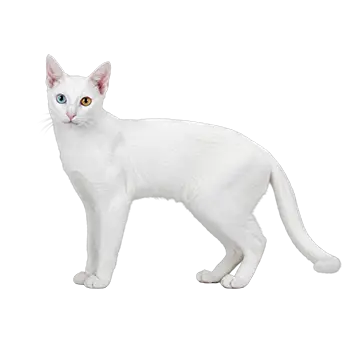

Breeding Readiness

Breeding a Khao Manee responsibly begins long before any mating takes place. This rare and historically significant breed demands that breeders approach reproduction with careful planning, thorough health screening, and a clear commitment to preserving and improving breed quality. A Khao Manee intended for breeding should have reached full physical maturity, generally no earlier than eighteen months to two years of age, before being bred for the first time.

Pre-breeding health screening should include a comprehensive veterinary examination, blood work to assess organ function and check for infectious diseases, and screening for conditions relevant to the breed. Because the Khao Manee's pure white coat is associated with an increased risk of congenital deafness, BAER testing to confirm hearing status is an essential step before including any cat in a breeding program. Breeding from deaf cats or known carriers of deafness without careful genetic planning is considered irresponsible.

Both the queen and the stud should be tested for feline leukemia virus and feline immunodeficiency virus, and both should be current on all vaccinations before breeding. A fecal examination to rule out parasitic infections and a dental examination to ensure oral health round out the pre-breeding veterinary workup. Any cat with unresolved health issues should not be bred until those issues are fully addressed.

Beyond physical health, temperament evaluation is a critical component of breeding readiness for the Khao Manee. The breed's hallmark personality traits of sociability, confidence, playfulness, and vocal engagement should be evident in both breeding cats. Temperament is heritable, and responsible breeders prioritize producing kittens that embody the breed's characteristic warmth and affability alongside its striking physical beauty.

The Estrus Cycle

Female Khao Manee cats are seasonally polyestrous, meaning they experience multiple estrus cycles during the breeding season, which is typically influenced by day length and light exposure. In indoor cats with consistent artificial lighting, cycling may occur year-round. The estrus cycle in cats consists of several stages, with the active heat phase lasting approximately four to ten days if the queen is not bred, followed by a brief interestrus period before cycling resumes.

The behavioral signs of estrus in a Khao Manee are often unmistakable, particularly given the breed's already vocal nature. A queen in heat will typically display dramatically increased vocalization, including loud, persistent calling that can continue day and night. She may adopt a characteristic posture with the front end lowered and the hindquarters raised, tread with the hind feet, roll repeatedly on the floor, and display heightened affection toward humans and other cats.

Unlike dogs, cats are induced ovulators, meaning that ovulation is triggered by the physical act of mating rather than occurring spontaneously. This means that an unbred queen will continue cycling repeatedly throughout the breeding season, which can be physically and emotionally taxing. Repeated cycling without breeding has been associated with health risks including ovarian cysts and uterine infections, which is one reason why cats not intended for breeding should be spayed.

Timing the breeding is important for maximizing the chances of a successful mating and healthy pregnancy. Most breeders introduce the queen to the stud on the second or third day of active estrus, allowing multiple matings over two to three days to optimize the likelihood of ovulation and conception. The queen is typically brought to the stud's territory rather than the reverse, as males tend to be more confident and willing to breed in their own environment.

Pregnancy & Gestation

The gestation period for a Khao Manee is approximately 63 to 67 days from the date of successful mating, with an average of around 65 days. Pregnancy can be confirmed by a veterinarian through abdominal palpation as early as seventeen to twenty-five days after mating, or by ultrasound from approximately twenty-five days onward. Radiographs taken after day 45 can provide an accurate count of the developing kittens and help prepare for the birth.

During the first few weeks of pregnancy, the queen may not show obvious external signs. Some cats experience a brief period of morning sickness around the third week, with mild appetite loss or occasional vomiting. By the fourth week, the nipples begin to enlarge and take on a deeper pink color, a change known as pinking up. Gradual weight gain and abdominal enlargement become apparent from the fifth week onward.

Nutritional demands increase significantly during pregnancy, particularly during the final three weeks when fetal growth accelerates rapidly. Transition the queen to a high-quality kitten food, which provides the elevated protein, fat, and caloric density required for fetal development and preparation for lactation. Feed several small meals throughout the day rather than two large ones, as the growing uterus compresses the stomach and reduces the queen's capacity for large meals.

Throughout the pregnancy, the queen should continue to receive gentle exercise and social interaction but should be protected from stress, rough handling, and contact with unvaccinated or ill cats. Avoid unnecessary medications during pregnancy unless specifically prescribed by your veterinarian. The queen should have a quiet, comfortable area designated for her exclusive use as the due date approaches, gradually encouraging her to spend time there so it becomes a familiar and secure space for birthing.

Queening Preparation

As the expected due date approaches, preparation for the birth, known as queening in cats, should be well underway. Set up a queening box in a quiet, warm, dimly lit room where the queen feels secure and where household traffic is minimal. The box should be large enough for the queen to stretch out comfortably with room for the kittens, with sides high enough to contain the newborns but low enough for the queen to enter and exit easily.

Line the queening box with clean, washable materials such as old towels or fleece blankets. Avoid materials with loose threads or loops that could entangle kittens or cords. Place the box away from drafts and direct sunlight, and ensure the room temperature can be maintained at approximately 75 to 80 degrees Fahrenheit. Have additional clean bedding on hand for changing during and after the birth.

Assemble a queening kit in advance to ensure you have essential supplies readily available. This should include clean towels, sterile scissors and thread or hemostats for cord management if needed, a bulb syringe for clearing fluid from a kitten's airway, a digital scale for weighing newborns, iodine solution for cord stumps, kitten milk replacer and feeding bottles as a precaution, and your veterinarian's emergency contact information.

In the days leading up to the birth, the queen may become restless, seek out enclosed spaces, display nesting behavior, and eat less. Her body temperature may drop below 100 degrees Fahrenheit approximately twelve to twenty-four hours before labor begins. Familiarize yourself with the normal progression of feline labor so that you can recognize complications if they arise. Most queens handle delivery naturally and competently, but knowing when to intervene and when to call your veterinarian is essential for safeguarding both the mother and her kittens.

Postpartum Care

The immediate postpartum period is a critical time for both the Khao Manee queen and her newborn kittens. Following delivery, the queen should be allowed to rest undisturbed with her litter, nursing and cleaning the kittens. Verify that each kitten is breathing normally, moving, and latching onto a nipple within the first hour or two. Count the placentas to ensure one was delivered for each kitten, as a retained placenta can cause serious infection.

The queen's nutritional needs are at their peak during lactation, exceeding even the demands of late pregnancy. Continue feeding a high-quality kitten food in generous, unrestricted amounts, and ensure fresh water is always available within easy reach of the nesting area. The queen may consume two to three times her normal food intake during peak lactation, which typically occurs around the third to fourth week after birth. Inadequate nutrition during this period directly compromises milk quality and quantity.

Monitor the queen closely for signs of postpartum complications during the first week. A foul-smelling vaginal discharge, fever, refusal to eat, excessive panting, swollen or discolored mammary glands, neglect of the kittens, or signs of pain or distress all warrant immediate veterinary attention. Mastitis, an infection of the mammary glands, and metritis, an infection of the uterus, are the most common serious postpartum complications and require prompt treatment.

Allow the queen to manage her litter as naturally as possible while maintaining a clean, warm environment. Change bedding in the queening box regularly, being mindful not to disturb the litter more than necessary. The queen will stimulate the kittens to urinate and defecate by grooming them during the first two to three weeks. As the kittens grow and become more mobile, gradually expand their accessible area while maintaining safety and warmth.

Responsible Breeding Ethics

Breeding Khao Manee cats carries a particular ethical weight due to the breed's rarity, its cultural significance in Thai heritage, and the health considerations associated with the white coat gene. Responsible breeders approach each litter as a commitment to preserving the breed's genetic health, characteristic temperament, and physical beauty for future generations, rather than as a commercial venture.

Genetic diversity is a pressing concern for the Khao Manee, as the breed's relatively small global population makes it vulnerable to inbreeding and the concentration of deleterious genes. Responsible breeders track pedigrees carefully, avoid close linebreeding, and may collaborate with breeders in other regions or countries to introduce new bloodlines. Breed registries and genetic databases are valuable tools for managing genetic diversity within the breeding population.

The association between the white coat gene and congenital deafness demands rigorous hearing testing of all breeding stock and honest disclosure of results. Breeding decisions should prioritize reducing the incidence of deafness while maintaining the breed's signature all-white appearance and jewel-toned eye colors. This requires careful understanding of the genetics involved and a willingness to make difficult decisions about which cats should and should not be included in breeding programs.

Every responsible breeder should have a clear plan for every kitten produced, including health guarantees, spay and neuter agreements for pet-quality kittens, and a lifetime take-back policy ensuring that no Khao Manee produced by their program ever ends up homeless or in a shelter. Screening potential buyers for suitability, providing comprehensive care information, and remaining available as a resource throughout each kitten's life are hallmarks of ethical breeding practice. The privilege of breeding this extraordinary and ancient cat comes with an obligation to act as a steward of the breed's future.

Always consult a qualified professional before making any health-related decisions. This content is provided for informational reference only and should not replace professional guidance specific to your animal.