
Peak Health Maintenance

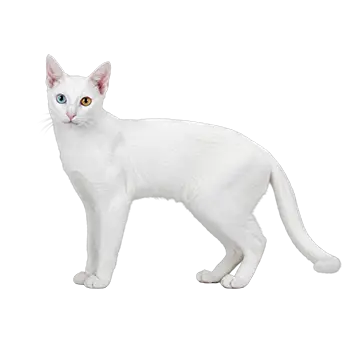
The adult years for a Khao Manee generally span from around one year of age to approximately eight years, representing the longest and most stable phase of life. During this time, the cat has reached its full physical size, its coat and eye color have settled into their permanent state, and its personality is well established. The primary goal during the adult years is to maintain the excellent health baseline established during kittenhood through consistent care, observation, and preventive medicine.

Annual veterinary wellness examinations are the cornerstone of adult health maintenance. Even when a Khao Manee appears perfectly healthy, yearly check-ups allow your veterinarian to detect subtle changes in weight, dental health, organ function, and overall condition that might not be apparent to even the most attentive owner. Blood panels, urinalysis, and physical examinations provide objective data that can catch developing problems months or years before symptoms become visible.

Vaccination boosters should continue on the schedule recommended by your veterinarian, which may vary based on your cat's lifestyle, risk factors, and local regulations. Indoor-only Khao Manee cats may require fewer vaccines than those with outdoor access, but core vaccinations remain important for all cats. Discuss a tailored vaccination protocol with your veterinarian to balance protection against unnecessary over-vaccination.

Parasite prevention should remain a year-round priority even for strictly indoor cats. Fleas, ticks, and internal parasites can enter the home on clothing, shoes, and other pets. A consistent preventive program, combined with regular fecal testing, protects your Khao Manee from parasitic diseases and the secondary health complications they can cause.

Nutrition at Maturity

Transitioning to an appropriate adult maintenance diet is one of the first nutritional changes your Khao Manee will encounter upon reaching maturity. Adult formulas are calibrated with lower caloric density and adjusted protein-to-fat ratios compared to kitten food, reflecting the reduced energy demands of a cat that has finished growing. Select a high-quality food with a named animal protein source as the first ingredient and complete nutritional profiles meeting established feline dietary standards.

Portion control becomes increasingly important during the adult years, as the high energy expenditure of kittenhood gives way to a more settled activity level. Obesity is one of the most common health threats facing adult cats and can contribute to diabetes, joint disease, urinary problems, and shortened lifespan. Feed measured portions twice daily rather than free-feeding, and use your cat's body condition score rather than the feeding guide on the package as your primary tool for determining appropriate amounts.

The Khao Manee's white coat benefits from optimal nutrition. A diet rich in high-quality animal proteins, omega-3 and omega-6 fatty acids, and appropriate levels of zinc and biotin supports coat health, shine, and skin integrity. While supplements are rarely necessary when a complete and balanced diet is fed, cats with dry skin or dull coats may benefit from a veterinary-approved omega fatty acid supplement.

Fresh water intake is a critical and often overlooked component of adult feline nutrition. Cats evolved as desert animals and have a naturally low thirst drive, which can predispose them to urinary tract issues and kidney stress. Encourage hydration by offering multiple water sources, considering a circulating water fountain, and incorporating wet food into the diet. Many veterinarians recommend that wet food comprise at least a portion of the daily diet for urinary health benefits.

Exercise & Fitness

Adult Khao Manee cats retain much of the playful energy of their youth and require regular exercise to maintain healthy body weight, muscle tone, and mental sharpness. While they may not exhibit the same frenetic kitten energy, they remain active, curious cats that thrive on interactive play and environmental enrichment. Plan for at least two daily play sessions of fifteen minutes each, using a variety of toys to mimic hunting behaviors.

Environmental enrichment is just as important as structured play for this intelligent breed. Rotating toys to maintain novelty, providing puzzle feeders that challenge problem-solving skills, and creating an environment with vertical climbing opportunities, window perches for bird watching, and hiding spots for exploration all contribute to a physically and mentally stimulated cat. Boredom in a Khao Manee can manifest as destructive behavior, excessive vocalization, or overeating.

If your Khao Manee shows interest in leash walking, the adult years are a fine time to pursue outdoor enrichment under controlled conditions. Many Khao Manee cats take well to harness training, especially if introduced gradually with positive reinforcement. Supervised outdoor time on a leash or within a secure catio provides sensory stimulation that indoor environments alone cannot replicate. However, the breed's striking white coat and valuable appearance make unsupervised outdoor access inadvisable from both safety and health perspectives.

Monitor your cat's activity level over time, as gradual decreases can signal developing health issues. A Khao Manee that was formerly eager to play but becomes increasingly sedentary may be experiencing pain, illness, or emotional distress. Conversely, sudden hyperactivity or restlessness in a previously calm adult cat can also indicate a medical issue such as hyperthyroidism and warrants veterinary evaluation.

Preventive Health Care

Preventive care during the adult years focuses on maintaining the health baseline established during youth and catching any emerging conditions before they become serious. Beyond the annual wellness exam, your veterinarian may recommend periodic blood chemistry panels and complete blood counts to establish normal ranges for your individual cat. Having this baseline data becomes invaluable as your Khao Manee ages, providing a reference point for detecting subtle changes.

Dental disease is one of the most prevalent health issues in adult cats, with the majority of cats showing some degree of periodontal disease by age three. Professional dental cleanings under anesthesia, combined with at-home dental care, are essential for preventing tooth loss, oral pain, and the systemic health effects of chronic oral infection. Ask your veterinarian about appropriate dental chews, water additives, or brushing techniques to supplement professional care.

Skin and ear health deserve particular attention in the Khao Manee due to the breed's white coat and potential for sun sensitivity. Cats with white fur and light-colored skin are at increased risk for squamous cell carcinoma, particularly on the ears, nose, and eyelids. Limit direct sun exposure through windows during peak hours, and discuss sunscreen options formulated for cats with your veterinarian if your home receives intense sunlight.

Keep a health journal that tracks your cat's weight, appetite, water intake, litter box habits, and any behavioral changes on a monthly basis. This longitudinal record is one of the most useful diagnostic tools you can provide to your veterinarian, as cats are notoriously skilled at masking illness and subtle shifts over time may be the earliest indicators of developing conditions.

Behavioral Maturity

By the time a Khao Manee reaches full adulthood, its personality is well established and the more unpredictable aspects of adolescent behavior have typically settled. Adult Khao Manee cats are known for their strong bonds with their human families, their conversational nature, and their preference for being involved in household activities. This is a breed that genuinely enjoys human company and may follow its owner from room to room, offering commentary along the way.

The breed's social nature means that prolonged isolation is poorly tolerated. Khao Manee cats that are left alone for extended periods on a regular basis may develop anxiety-related behaviors including excessive grooming, inappropriate elimination, destructive scratching, or persistent vocalization. If your schedule requires long absences, consider providing a feline companion, interactive toys on timers, or environmental enrichment that engages the cat in your absence.

Territorial behavior tends to stabilize during the adult years, and most Khao Manee cats settle into comfortable routines within their home environment. Changes in the household, such as new pets, new family members, furniture rearrangement, or moves to a new home, may temporarily disrupt these routines and cause stress. Manage transitions gradually when possible, maintaining familiar items and routines to provide continuity during periods of change.

Adult Khao Manee cats may develop strong preferences for specific resting spots, play times, feeding locations, and interaction styles. Respecting these preferences while maintaining reasonable boundaries creates a harmonious living arrangement. The breed's intelligence means they are quick to learn household rules and equally quick to notice and object when those rules change without apparent reason.

Dental & Grooming

The Khao Manee's short, close-lying white coat is relatively low-maintenance compared to long-haired breeds, but regular grooming remains an important part of adult care. Weekly brushing with a soft-bristled brush or grooming mitt removes loose hair, distributes natural skin oils, stimulates blood circulation, and provides an opportunity to check for skin abnormalities, parasites, or lumps. Most Khao Manee cats enjoy the attention that grooming sessions provide, making it a bonding activity as well as a health practice.

Bathing is rarely necessary for a healthy adult Khao Manee unless the cat gets into something particularly messy. The breed's white coat can show staining around the eyes, chin, and paws more readily than darker-coated cats. Gentle spot cleaning with a warm, damp cloth is usually sufficient for minor staining. If a full bath is needed, use a mild, cat-specific shampoo and ensure the cat is thoroughly dried afterward, as wet fur can lead to chilling.

Nail trimming should be performed every two to three weeks or as needed. Keeping the nails at an appropriate length protects both the cat and household furnishings and prevents painful nail overgrowth or snagging. Introduce nail trimming gradually if it was not established during kittenhood, handling one or two nails per session and rewarding cooperation with treats until the cat accepts the routine.

Ear cleaning and dental care round out the grooming routine. Check the ears weekly for wax buildup, debris, or signs of infection such as redness, odor, or discharge. Clean with a veterinarian-approved ear solution and cotton balls, never inserting anything into the ear canal. Dental care at home, whether through brushing with a feline-specific toothpaste, dental treats, or water additives, supplements professional cleanings and is one of the most impactful daily health practices you can establish for your Khao Manee.

Always consult a qualified professional before making any health-related decisions. This content is provided for informational reference only and should not replace professional guidance specific to your animal.