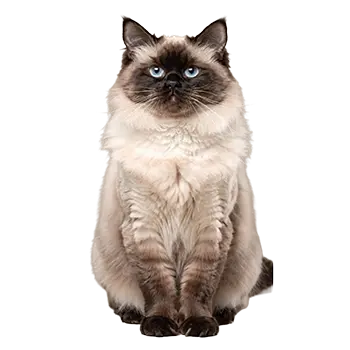

Himalayans are generally considered to enter their senior years between the ages of eight and ten, though the transition is gradual and varies considerably between individuals. Unlike some cat breeds that maintain a kitten-like energy well into middle age, Himalayans have always been a calm, measured breed, which can make the shift into seniorhood less outwardly dramatic. The changes tend to be subtle — a slightly longer nap after play, a few more moments of hesitation before jumping onto a favorite perch, a barely perceptible reduction in the coat's luster. Recognizing these early indicators allows you to adjust care proactively rather than reactively.
Physical markers of aging in Himalayans include a gradual loss of muscle mass, particularly along the spine and hindquarters, which may become apparent as the cat's once-solid body begins to feel bonier under the dense coat. The coat itself may become coarser or more prone to matting as the cat grooms less efficiently, and some Himalayans develop a slight graying or dulling of their point colors. Weight changes — either gain due to decreased activity or loss due to emerging medical conditions — are among the most important shifts to track. Regular weigh-ins at home between veterinary visits help identify trends before they become problematic.
Behavioral changes often accompany the physical ones. A senior Himalayan may become more attached to its owner, seeking proximity and lap time with increased frequency. Conversely, some cats become slightly less tolerant of disruption and prefer predictable routines. Changes in sleep-wake patterns, including increased vocalization at night, can signal cognitive decline or sensory changes. Any sudden or dramatic behavioral shift in a senior Himalayan warrants a veterinary evaluation to rule out pain, organ dysfunction, or neurological causes.
The most important step you can take at the onset of the senior years is to increase the frequency of veterinary examinations from annually to twice yearly. Semi-annual visits allow for more granular monitoring of bloodwork trends, body condition, dental health, and organ function. Many conditions common to aging Himalayans — kidney disease, hyperthyroidism, diabetes — progress slowly and are far more manageable when caught early. Investing in comprehensive senior wellness screenings is one of the highest-impact decisions you can make for your aging cat's quality of life.