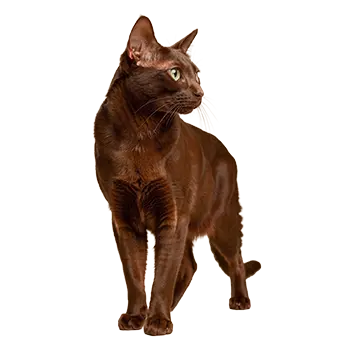

When Does Senior Begin?

The Havana Brown is generally considered to enter its senior years around ten to eleven years of age, though the transition is gradual and individual cats age at different rates. With a typical lifespan of twelve to fifteen years, and some individuals living beyond that with excellent care, the senior phase represents a significant portion of the cat's life and deserves thoughtful, proactive management.

The earliest signs of aging are often subtle. You may notice your Havana Brown sleeping slightly more than usual, showing less enthusiasm for vigorous play, or taking a moment longer to jump onto surfaces that were previously effortless. These changes are normal and do not necessarily indicate illness, but they do signal that your cat's needs are evolving and that care routines should adapt accordingly.

Your veterinarian may recommend transitioning from annual wellness examinations to semi-annual visits once your Havana Brown reaches senior status. More frequent checkups allow earlier detection of age-related conditions such as kidney disease, hyperthyroidism, diabetes, and dental deterioration, all of which are more common in aging cats and more manageable when caught early.

Understanding that your cat is entering a new life phase empowers you to make proactive adjustments rather than reactive ones. Modifying the home environment, updating the diet, and increasing veterinary monitoring are all steps that can significantly enhance your senior Havana Brown's comfort and longevity.

Mobility & Joint Health

As Havana Browns age, the musculoskeletal system gradually loses some of its youthful resilience. Arthritis and joint stiffness are common in senior cats, though cats often mask pain effectively, making the signs easy to overlook. Reduced jumping height, reluctance to use stairs, hesitation before leaping, or a slightly stiff gait after resting can all indicate joint discomfort.

Environmental modifications can make a meaningful difference in a senior cat's comfort and mobility. Provide steps or ramps to favorite elevated resting spots, ensure litter boxes have low entry sides for easy access, and place food and water dishes at a comfortable height that does not require the cat to crouch awkwardly. Orthopedic or heated cat beds can soothe stiff joints and encourage restful sleep.

Discuss joint health supplements and pain management options with your veterinarian. Supplements containing omega-3 fatty acids, glucosamine, or chondroitin may support joint function, though their effectiveness varies among individuals. If your cat is experiencing significant discomfort, your veterinarian may prescribe pain management medications that are safe for long-term use in cats.

Gentle, regular activity remains important for senior cats. Short, low-intensity play sessions help maintain muscle tone and joint flexibility without overtaxing aging bodies. Encourage movement through interactive toys that your cat can engage with at its own pace, and avoid play that requires high jumps or sudden, forceful movements.

Cognitive Changes

Cognitive decline, sometimes referred to as feline cognitive dysfunction syndrome, can affect senior cats in ways that closely parallel age-related cognitive changes in humans. Symptoms may include disorientation, altered sleep-wake cycles, changes in social interaction, increased vocalization especially at night, and episodes of apparent confusion or aimless wandering.

The Havana Brown's characteristically engaged and interactive personality can make cognitive changes particularly noticeable. A cat that was previously attentive and responsive may seem distracted, fail to recognize familiar routines, or stare blankly at walls. These changes can be distressing for owners, but understanding that they are a recognized medical condition rather than willful behavior helps frame the appropriate response.

Mental stimulation can help slow cognitive decline. Continue providing puzzle feeders, gentle interactive play, and novel sensory experiences appropriate to your cat's physical abilities. Maintaining consistent routines and keeping the home environment stable and predictable reduces confusion and anxiety in cognitively affected cats.

If you observe signs of cognitive dysfunction, discuss them with your veterinarian. While there is no cure, certain dietary modifications, supplements, and environmental strategies may help manage symptoms and slow progression. Your veterinarian can also rule out other medical conditions that can mimic cognitive decline, such as hyperthyroidism, hypertension, or pain.

Nutrition for Aging

Nutritional needs shift as the Havana Brown enters its senior years. Aging cats often experience changes in metabolism, digestive efficiency, and appetite that require dietary adjustments. A high-quality senior cat food formulated to address these changes provides appropriate caloric density, enhanced digestibility, and targeted nutritional support for aging organ systems.

Maintaining a healthy body weight becomes both more important and more challenging in senior cats. Some older cats lose weight and muscle mass despite adequate food intake, which may indicate underlying health conditions such as kidney disease, hyperthyroidism, or dental pain that makes eating uncomfortable. Conversely, reduced activity levels can lead to weight gain in cats that continue eating the same portions. Regular weigh-ins help you track trends and respond early.

Hydration is a particular concern for senior cats, as aging kidneys become less efficient at concentrating urine and the cat may not compensate by drinking more water. Incorporating wet food into the diet increases overall moisture intake, which supports kidney function and urinary tract health. Multiple water stations throughout the home, including fountains, can also encourage drinking.

Discuss your senior Havana Brown's specific nutritional needs with your veterinarian, who may recommend prescription diets or supplements tailored to any diagnosed conditions. Kidney-supportive diets, for example, feature controlled levels of phosphorus and protein, while diets for cats with diabetes emphasize low carbohydrate content. Nutritional management is a powerful tool in supporting quality of life for aging cats.

Increased Veterinary Care

Semi-annual veterinary visits are recommended for senior Havana Browns, and your veterinarian may suggest additional testing as part of each visit. Comprehensive senior wellness panels typically include complete blood count, blood chemistry, thyroid function, urinalysis, and blood pressure measurement. These tests detect the most common age-related conditions in cats and establish trends that can reveal problems before symptoms become apparent.

Kidney disease is one of the most prevalent conditions in aging cats, and early detection through routine bloodwork and urinalysis allows dietary and medical interventions that can significantly extend quality of life. Similarly, hyperthyroidism, which causes weight loss, increased appetite, and elevated heart rate, is highly treatable when identified early through thyroid function testing.

Dental health often deteriorates in senior cats, and dental disease can cause significant pain that affects eating, grooming, and overall well-being. Your veterinarian may recommend more frequent dental assessments and professional cleanings. Extractions of severely diseased teeth, while requiring anesthesia, often result in dramatic improvements in comfort and appetite for the affected cat.

Keep a log of any changes you observe at home, no matter how minor they seem. Increased water consumption, changes in litter box output, shifts in appetite or food preferences, altered sleeping patterns, or any new behaviors provide valuable diagnostic information. Sharing these observations with your veterinarian ensures that the clinical picture is as complete as possible.

Quality of Life Assessment

Assessing quality of life in a senior Havana Brown is an ongoing process that involves honest observation and regular dialogue with your veterinarian. Quality of life encompasses physical comfort, the ability to engage in normal behaviors, appetite and interest in food, mobility, hygiene, and the cat's overall demeanor and apparent contentment.

Several structured quality of life assessment tools are available that can help you evaluate your cat's well-being objectively. These scales typically ask you to rate factors such as pain management, nutrition, hydration, hygiene, happiness, mobility, and the frequency of good days versus bad days. Tracking these assessments over time reveals trends that can be difficult to perceive on a day-to-day basis.

Making adjustments to your senior Havana Brown's environment and routine based on quality of life observations is an act of love and respect. Accommodations such as softer bedding, easier access to resources, more frequent meals in smaller portions, or a quieter living space can substantially improve comfort. The goal is to support the cat's dignity and contentment rather than simply extending the duration of life.

Quality of life assessments also serve an important role in preparing for eventual end-of-life decisions. Understanding what constitutes a good quality of life for your individual cat, and recognizing when that quality can no longer be maintained despite best efforts, helps guide compassionate decision-making when the time comes. Your veterinarian is an essential partner in this process and can provide both medical guidance and emotional support.

Always consult a qualified professional before making any health-related decisions. This content is provided for informational reference only and should not replace professional guidance specific to your animal.