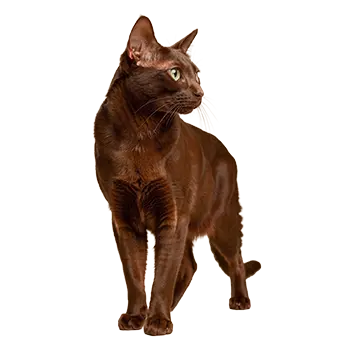

Breeding a Havana Brown is a significant commitment that should only be undertaken by knowledgeable individuals dedicated to preserving and improving this rare breed. Before considering a breeding program, both the queen and the stud must be fully mature, in excellent health, and free from hereditary conditions that could be passed to offspring. Most breeders wait until a queen is at least eighteen months to two years old before her first mating, ensuring she is physically and emotionally ready for the demands of pregnancy and motherhood.
Pre-breeding health evaluations are essential. Both breeding cats should have current vaccinations, negative test results for feline leukemia virus and feline immunodeficiency virus, and a thorough veterinary examination confirming sound overall health. Genetic testing, where available for known breed-relevant conditions, helps make informed pairing decisions that protect the health of future generations.
The Havana Brown is one of the rarest cat breeds in the world, with a very limited gene pool. This rarity places an additional layer of responsibility on breeders to prioritize genetic diversity and avoid excessive inbreeding. Studying pedigrees carefully and consulting with experienced breed mentors or genetics advisors is an important step in planning any mating.
Beyond health and genetics, evaluate temperament. The Havana Brown is prized for its affectionate, outgoing personality, and breeding cats should exemplify these traits. A queen or stud with significant behavioral issues such as extreme fearfulness or aggression should not be bred, as temperament has both genetic and learned components that influence offspring.