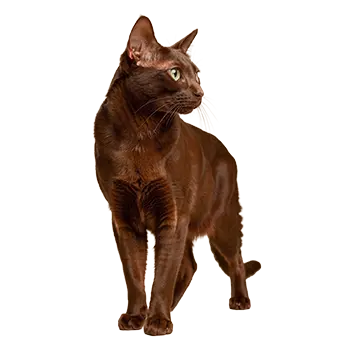

Growth & Physical Development

The Havana Brown enters the juvenile phase around three months of age and continues developing through roughly twelve months. During this period the kitten undergoes dramatic physical changes, transitioning from a round, soft-featured baby into a sleek and muscular young cat. Growth is most rapid between three and six months, with kittens gaining weight steadily and their limbs lengthening noticeably.

The breed's distinctive rich chocolate brown coat begins to take on its final depth of color during this stage. Kittens may show faint tabby ghost markings that gradually fade as the coat matures. The eyes, which started as kitten blue, transition through various shades before settling into the vivid green that is characteristic of the breed, though this process can take up to two years to fully complete.

By six months most Havana Browns have reached approximately half to two-thirds of their adult weight, though the frame continues to fill out and the musculature becomes more defined well into the first year. Males tend to be slightly larger than females, but both sexes develop the moderate, well-proportioned body type that defines the breed standard.

Monitor growth by weighing your kitten regularly and comparing progress against general feline growth curves. Sudden weight plateaus or rapid unexplained weight loss should be discussed with your veterinarian. Equally, excessive weight gain at this age can set the stage for obesity later in life, so feeding appropriate portions of quality kitten food is essential.

Nutrition & Diet Transition

Juvenile Havana Browns require a high-quality kitten formula food that supports their rapid growth and high energy levels. Look for foods where a named animal protein is the primary ingredient and that meet the nutritional standards established for growth and reproduction by recognized pet nutrition authorities. The caloric density of kitten food is higher than adult formulations, which is necessary to fuel the demands of a developing body.

Feeding frequency should be adjusted as the kitten grows. From three to six months, three to four meals per day is appropriate. From six months to one year, you can gradually transition to two to three meals daily. Free feeding dry kibble is an option for some households, but monitor intake carefully, as some kittens will overeat when food is constantly available.

The transition from kitten food to adult food generally occurs around twelve months of age, though your veterinarian may recommend adjusting this timeline based on your cat's individual development. When the time comes, introduce the new food gradually over seven to ten days, mixing increasing proportions of adult food with decreasing amounts of kitten food to avoid digestive upset.

Fresh, clean water should be available at all times. Some Havana Browns prefer running water and may benefit from a pet fountain, which can encourage adequate hydration. Avoid offering table scraps, raw diets without veterinary guidance, or supplements unless specifically recommended by your veterinarian, as an appropriate commercial kitten food provides complete and balanced nutrition.

Behavioral Changes

Adolescence brings a surge of energy, curiosity, and independence to the Havana Brown. This breed is naturally inquisitive and interactive, and during the juvenile phase these traits intensify. Expect your kitten to explore every accessible space in your home, investigate novel objects with enthusiasm, and demand frequent interaction with household members.

Play behavior becomes more complex and vigorous during this period. Kittens engage in stalking, pouncing, wrestling with toys, and chasing games that mirror natural hunting behaviors. This play is not merely entertaining but serves a critical developmental function, building coordination, reflexes, and social skills. Provide a variety of interactive toys and rotate them regularly to prevent boredom.

Some juvenile Havana Browns may test boundaries as they gain confidence. You might notice behaviors such as counter surfing, curtain climbing, or attempts to access restricted areas. These behaviors are normal expressions of feline curiosity and energy rather than defiance, and they respond best to redirection and environmental management rather than punishment.

The Havana Brown's strong attachment to people often deepens during this stage. Many individuals develop a preference for being physically close to their owner, following them from room to room or insisting on lap time. This breed is also known for using its paws to reach out and touch, a charming behavior that owners often notice becoming more frequent during adolescence.

Training Priorities

The juvenile period is the ideal time to establish household routines and expectations for your Havana Brown. Litter box habits should already be well established, but if any inconsistencies arise, evaluate the box setup first. Ensure boxes are kept clean, are large enough for the growing kitten, and are placed in quiet, accessible locations. Most litter training issues at this age stem from environmental factors rather than behavioral problems.

Scratching behavior naturally increases as the kitten grows. Provide multiple sturdy scratching posts and pads in different orientations, both vertical and horizontal, and position them near areas where the cat rests or plays. Reward use of appropriate scratching surfaces with praise or treats, and redirect the kitten if it targets furniture. Establishing good scratching habits now prevents problems later.

Havana Browns are intelligent cats that often enjoy learning and respond well to positive reinforcement training. Simple commands and tricks such as sitting, coming when called, or targeting a hand can be taught using small food rewards. Short, frequent training sessions of three to five minutes work better than longer ones, and ending on a successful note keeps the kitten enthusiastic about learning.

Crate or carrier training is another valuable skill to develop during this stage. A kitten that learns to view its carrier as a safe and normal space will experience far less stress during veterinary visits and travel. Leave the carrier out with the door open, place comfortable bedding inside, and occasionally offer treats or meals in the carrier to build a positive association.

Exercise & Activity

Havana Browns are moderately active cats with a playful streak that remains well into adulthood, and the juvenile period is when this energy is at its peak. Plan for at least two dedicated interactive play sessions per day, each lasting fifteen to twenty minutes, using wand toys, laser pointers with a tangible reward at the end, or other toys that simulate prey movement.

Environmental enrichment is essential for keeping an adolescent Havana Brown mentally stimulated. Cat trees, window perches, puzzle feeders, and rotating toy selections all help channel the kitten's energy into appropriate outlets. This breed tends to enjoy height and vantage points, so vertical spaces such as tall cat trees or wall-mounted shelves are particularly appealing.

Without adequate physical and mental stimulation, juvenile Havana Browns may channel their excess energy into destructive or attention-seeking behaviors. Knocked-over objects, shredded paper, and midnight zoomies are often signs that the cat needs more structured play and enrichment rather than discipline. Adjusting the activity schedule usually resolves these issues effectively.

As the kitten grows, introduce variety in play to prevent habituation. Rotate toys weekly, change the location of play sessions, and occasionally introduce novel items such as paper bags or cardboard boxes for exploration. The goal is to keep the kitten's environment engaging and unpredictable in safe and controlled ways.

Spay & Neuter Considerations

Most veterinarians recommend spaying or neutering Havana Browns between four and six months of age, before the onset of sexual maturity. Early spay and neuter procedures are safe and well-tolerated by healthy kittens, and they prevent unwanted litters as well as certain reproductive health issues later in life. Discuss the optimal timing with your veterinarian, who can assess your individual kitten's development and health status.

Unaltered male cats may begin spraying urine to mark territory as they approach sexual maturity, typically around five to seven months of age. This behavior is hormonally driven and can become a persistent habit if neutering is delayed significantly beyond the onset of spraying. Unaltered females will begin estrus cycles, often accompanied by loud vocalization, restlessness, and attempts to escape outdoors.

The surgical procedures are routine and recovery is generally swift. Most kittens return to normal activity levels within a few days, though your veterinarian will provide specific aftercare instructions including activity restrictions and incision monitoring. An Elizabethan collar or recovery suit may be recommended to prevent the kitten from licking or chewing at the surgical site.

If you are considering keeping your Havana Brown intact for breeding purposes, consult with your veterinarian and a breed mentor about the responsibilities and health considerations involved. The Havana Brown is a rare breed, and responsible breeding requires thorough knowledge of the breed's health profile, genetic diversity, and the commitment to finding appropriate homes for offspring.

Socialization & Exposure

Continued socialization during the juvenile period reinforces the confident, outgoing personality that makes the Havana Brown such a rewarding companion. While the primary socialization window closes around nine weeks of age, ongoing positive experiences throughout the first year help solidify the kitten's comfort with a wide range of people, environments, and situations.

Introduce your kitten to visitors of different ages and appearances in controlled, low-stress settings. Allow the kitten to approach new people on its own terms rather than forcing interactions. Havana Browns are typically social by nature, but individual kittens vary in their boldness, and respecting each kitten's comfort level builds trust and long-term confidence.

Exposure to common household experiences is equally important. Acclimate your kitten to the sounds of vacuum cleaners, kitchen appliances, doorbells, and other everyday noises. Start with the sound at a low level or distance and pair the exposure with something pleasant such as treats or play. Gradual, positive exposure prevents the development of noise phobias.

If your household includes other pets, this stage is when inter-species relationships are typically established and refined. Supervise interactions with dogs or other cats carefully, and ensure your Havana Brown always has escape routes and elevated safe spaces available. Positive early relationships with other animals contribute to a harmonious multi-pet household, while negative experiences can create lasting fear or aggression.

Always consult a qualified professional before making any health-related decisions. This content is provided for informational reference only and should not replace professional guidance specific to your animal.