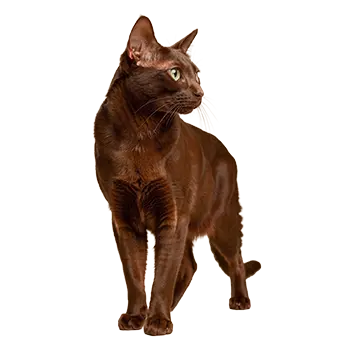
Havana Brown

Havana Brown
📸 Photo Gallery Coming Soon

Furry Critter Network Etsy Shop

Quick Facts

📏 Height
9-11 inches
⚖️ Weight
8-12 pounds
⏱️ Lifespan
10-15 years
📊 Size Category
Medium
🏆 Breed Group
Manufactured
✨ Coat Type
Short
🎨 Colors
Rich chocolate brown (mahogany) or lilac
😊 Temperament
Affectionate, playful, intelligent, social, curious, people-oriented
🏃 Exercise Needs
Moderate
💇 Grooming Needs
Low
🔊 Vocalization
Moderate
🌍 Origin
England

Havana Brown - Names & Recognition

The Havana Brown's name has an interesting and somewhat debated origin. The most commonly accepted explanation is that the breed was named for the rich, tobacco-brown color of Havana cigars, which matches the cat's luxurious chocolate coat. This connection to Cuban tobacco gives the breed its exotic-sounding name, though the cats themselves have no connection to Cuba or Havana. The name emphasizes the breed's most distinctive feature—that gorgeous, warm brown color that sets them apart from almost all other cat breeds.

Some historical sources suggest the name might have alternative origins. One theory proposes the name comes from the Havana rabbit, a chocolate-brown rabbit breed that existed before the cat breed was developed. Another less substantiated theory suggests the name relates to a dance called the Havana that was popular in early 20th century England, though this connection seems less likely given the breed's development timeline.

The breed has no significant alternate names in modern times, though it's sometimes informally called the "Havana" for short. In its early development, there was some confusion with the naming. The breed was initially called "Chestnut Brown" by some breeders, but this name never gained widespread acceptance. In Britain, where the breed originated, it's formally recognized as the "Havana" (without "Brown") by the Governing Council of the Cat Fancy (GCCF). However, in North America, where the breed developed somewhat differently, it's officially called the "Havana Brown" by the Cat Fanciers' Association (CFA) and The International Cat Association (TICA).

It's crucial to distinguish the Havana Brown from the Oriental Shorthair in chocolate color. While these breeds share some ancestry and can look similar, they're recognized as separate breeds with different standards. The Havana Brown has a more moderate head shape and body type compared to the extreme, angular features of the Oriental Shorthair. The distinction is particularly important in North America, where the Havana Brown maintained a more moderate type while British Havanas were crossed with Siamese and developed the more Oriental appearance that eventually was classified as Oriental Shorthair.

Havana Brown Physical Description

The Havana Brown is a medium-sized cat with a distinctive, moderate build that balances elegance with substance. Males typically weigh 8-12 pounds, while females are slightly smaller at 6-10 pounds. The body is medium in length and muscular, neither cobby nor extremely svelte, presenting a harmonious, well-proportioned appearance. The overall impression is of a cat with surprising weight for its size—solid and muscular beneath smooth lines.

The head is one of the breed's most distinctive features and a key point in breed standards. It's slightly longer than it is wide, creating a modified wedge shape that's distinctive but not extreme. The muzzle is noticeably squared off with a pronounced break behind the whisker pads, creating a unique profile unlike most other breeds. When viewed from the side, there's a distinct stop at the eyes. The whisker break and muzzle shape give the Havana Brown a unique, almost smiling expression that's characteristic of the breed.

The eyes are a striking feature—medium to large, oval in shape, and set fairly wide apart. Eye color ranges from any vivid shade of green, with deeper, richer green preferred in show cats. The green eyes against the rich brown coat create a stunning, memorable combination. The alert, expressive eyes convey the breed's intelligence and curiosity. The ears are large, round-tipped, and set wide apart with a slight forward tilt, contributing to the alert, attentive expression.

The coat is the Havana Brown's crowning glory—short to medium-short in length, smooth, and lustrous with a texture often described as feeling like mink. The coat lies close to the body and has minimal undercoat, contributing to its sleek appearance. The most distinctive feature is the color: a rich, warm brown (often called mahogany) that's even throughout. The color should be as rich and dark as possible while maintaining the warm brown tone rather than appearing black. In good light, the coat has a rich, chocolate appearance that's unlike any other naturally occurring cat color.

The Havana Brown comes in only one color in North America—the rich mahogany brown. However, in Britain and some other countries, a lilac (pinkish-gray) color is also accepted, though it's quite rare. All Havana Browns should have brown nose leather and rosy-brown paw pads that harmonize with their coat color. Whiskers should also be brown, matching the coat. The monochromatic brown appearance—brown coat, brown nose, brown whiskers—is unique among cat breeds and instantly recognizable.

The legs are straight and medium in length, proportionate to the body and appearing neither too long nor too short. The paws are oval and compact. One of the breed's most charming characteristics is their tendency to use their paws extensively—reaching out to touch faces, batting at objects, and exploring their environment tactilely. The tail is medium in length, neither whippy nor too thick, tapering slightly toward a blunt tip.

The overall impression of the Havana Brown is of an elegant but muscular cat wrapped in luxurious chocolate-brown velvet, with striking green eyes that sparkle with intelligence and curiosity. They're neither the most extreme nor the most exotic-looking cats, but their unique combination of rich brown color, squared muzzle, green eyes, and balanced proportions creates a distinctive, memorable appearance.

Affection Level
Havana Browns are extraordinarily affectionate and form deep, devoted bonds with their people. They crave constant companionship and want to be involved in every aspect of their owners' lives. They'll follow you everywhere, sleep in your bed, sit on your lap, and use their paws to touch your face for attention. Their devotion is intense and unwavering.
Friendliness
These cats are exceptionally friendly with everyone—family members, visitors, and even strangers. They greet guests enthusiastically rather than hiding and assume everyone wants to be their friend. Their outgoing, confident nature makes them excellent companions for social households. They're rarely shy or reserved, approaching new people with curiosity and warmth.
Child-Friendly
Havana Browns are outstanding with children, displaying patience, playfulness, and tolerance for appropriate handling. They enjoy the activity and attention children provide and will participate enthusiastically in gentle play sessions. Their sturdy build and even temperament make them excellent family cats who form special bonds with kids who engage with them respectfully.
Pet-Friendly
These cats typically get along excellently with other pets, including dogs and other cats. Their social nature extends to animals, and they often seek companionship from household pets. They're confident without being aggressive, making integration into multi-pet households smooth. They may become lonely without another pet if their people are frequently away.
Exercise Needs
Havana Browns have moderate exercise needs and enjoy regular interactive play sessions. They're playful and athletic but not hyperactive, content with daily playtime of 20-30 minutes combined with access to climbing structures and toys. They balance activity with contentment to cuddle and relax, making them adaptable to various activity levels in their households.
Playfulness
These cats are very playful and maintain their enthusiasm for games throughout their lives. They love interactive toys, puzzle feeders, and games with their people. Their playful nature includes unique behaviors like using their paws to bat at objects or touch faces. While playful, they're not as intensely energetic as some breeds, balancing play with affectionate cuddle time.
Energy Level
Energy levels are moderate—Havana Browns enjoy periods of playful activity but are equally content to relax with their people. They're neither couch potatoes nor perpetual motion machines. This balanced energy makes them adaptable companions who can match various household rhythms, from quiet individuals to moderately active families.
Intelligence
Havana Browns are intelligent cats capable of learning tricks, solving puzzles, and understanding complex household routines. They're curious and observant, figuring out how to open doors or access interesting locations. Their intelligence combined with their people-oriented nature makes them highly trainable and responsive to their owners' cues and emotions.
Tendency to Vocalize
These cats are moderately vocal with soft, pleasant voices. They'll communicate their needs and desires through gentle conversation, chatting with their people about daily activities. They're more talkative than quiet breeds but less insistent than Siamese. Their vocalizations are generally sweet and conversational rather than loud or demanding.
Amount of Shedding
Havana Browns are light shedders thanks to their short, smooth coat with minimal undercoat. They shed consistently but lightly throughout the year without dramatic seasonal increases. Their fine hair is less noticeable than coarser fur, and weekly brushing easily manages the minimal shedding, making them relatively low-maintenance for hair concerns.

Havana Brown History & Origins

The Havana Brown's history is a fascinating tale of deliberate breeding, transatlantic divergence, and near-extinction followed by dedicated preservation efforts. The breed's story begins in England in the early 1950s with a group of breeders who wanted to create a solid brown cat with the Siamese body type. At the time, self-colored (solid color) brown cats were extremely rare, though chocolate-pointed Siamese existed.

The foundation of the breed involved crossing chocolate-point Siamese with black domestic shorthairs. A key figure in the breed's development was a British breeder group that included Baroness Miranda von Ullmann and Mrs. Armitage Hargreaves, among others. They carefully planned breedings to produce the desired rich brown color. In 1952, the first kitten that would become the foundation of the Havana breed was born—a brown male kitten named Elmtower Bronze Idol, born from a cross between a chocolate-point Siamese and a black shorthair. This kitten and subsequent offspring demonstrated that the rich brown color could be produced reliably.

The breeding program in Britain initially called these cats "Chestnut Brown Foreign" but eventually settled on "Havana" as the breed name. British breeders continued crossing their brown cats with Siamese, developing a more Oriental appearance with the extreme wedge head and svelte body typical of modern Siamese and Oriental Shorthairs. These British Havanas were eventually classified as part of the Oriental Shorthair group rather than remaining a separate breed.

However, the story took a different path in North America. In the mid-1950s, several Havana cats were imported to the United States. American breeders appreciated the rich brown color but preferred a more moderate type rather than the extreme Oriental appearance developing in Britain. They established their own breeding program, carefully controlling the breed's development. The Cat Fanciers' Association recognized the breed as the "Havana Brown" in 1964, emphasizing both the color and the preference for a more moderate body type.

American breeders used Russian Blues and American Shorthairs as occasional outcrosses to maintain the moderate type and genetic diversity while preserving the distinctive brown color and other breed characteristics. This divergence created two distinct types: the British Havana (which became part of the Oriental Shorthair breed) and the American Havana Brown (which remained a distinct breed with moderate features).

The breed has always been rare. By the 1990s, the Havana Brown faced a serious population crisis. The gene pool had become extremely limited, with only about a dozen cats being used in breeding programs. This severe bottleneck threatened the breed's viability and health. Concerned breeders recognized the danger and took action. In 1999, the Cat Fanciers' Association approved an outcross program allowing Havana Browns to be crossed with specific breeds (primarily chocolate-point or seal-point Siamese and certain Oriental Shorthairs) to increase genetic diversity while maintaining breed type.

This carefully controlled outcross program has slowly increased the breed's genetic diversity and population, though the Havana Brown remains one of the rarest cat breeds. The breed's survival is due to the dedication of a small number of devoted breeders who work tirelessly to preserve this unique variety. Every Havana Brown today traces its ancestry back to those few foundation cats from the 1950s, making them a relatively young breed with documented lineages.

The breed's rarity means finding a Havana Brown kitten often involves waiting lists and traveling significant distances to reputable breeders. Despite their scarcity, those who know the breed appreciate them for their unique appearance and especially for their wonderful, affectionate personalities. Today, the Havana Brown is recognized by most major cat registries but remains a rare gem in the cat fancy, treasured by those fortunate enough to share their lives with these chocolate-colored charmers.

Havana Brown Temperament & Personality

The Havana Brown's temperament is perhaps even more distinctive than their chocolate coat—these are extraordinarily people-oriented cats who form intense bonds with their families. They're often described as having dog-like devotion, following their favorite people from room to room and wanting to participate in every activity. This intense attachment makes them wonderful companions for people who want an interactive, engaging cat, but they're not ideal for those seeking an independent pet.

Affection is the cornerstone of the Havana Brown personality. These cats don't just tolerate human companionship—they actively demand it. They want to be with their people constantly, whether that's sleeping in bed at night, sitting on laps during television time, or "helping" with computer work by lying on the keyboard. They're physical in their affection, using their paws extensively to touch faces, pat arms, or reach out for attention. This tactile nature is particularly characteristic of the breed; Havana Browns seem to use their paws more than most cats to explore and interact with their world.

The breed's social needs are significant. Havana Browns should not be left alone for long periods regularly. They become lonely, depressed, or develop behavioral problems when isolated from their people. If you work full days away from home, seriously consider adopting two Havana Browns or providing a companion cat or cat-friendly dog. These cats thrive on interaction and suffer emotionally without it. Their need for companionship is one of the most important factors potential owners should consider.

Playfulness is another defining trait. Havana Browns are active and curious, enjoying interactive games that engage their hunting instincts. They love feather wands, laser pointers, fetch toys, and puzzle games. Many learn to retrieve toys and will bring them back repeatedly for another throw. Their intelligence makes play sessions engaging—they learn the rules of games quickly and remember favorite toys and hiding spots. Play is also a bonding activity; they prefer interactive play with their people over solo entertainment.

Intelligence manifests in various ways. Havana Browns are quick learners who can master tricks, figure out how to open doors or cabinets, and understand household routines. They're observant and attentive, often seeming to know what their people are feeling or planning. Many owners report their Havana Browns meeting them at the door before they realize someone's arriving, as if the cats sense their person's approach. This sensitivity to their people's emotions makes them comforting companions during difficult times.

Vocally, Havana Browns are moderately talkative. They have soft, pleasant voices and will chat with their people about daily activities. They're more vocal than quiet breeds but less insistent than Siamese or other extremely vocal varieties. Their communication is conversational—they seem to expect responses and will continue chatting if engaged. Many owners develop "conversations" with their Havana Browns, with the cats responding to their people's voices with chirps and soft meows.

With strangers, Havana Browns are typically friendly and curious rather than shy. They'll often greet visitors, investigate new people, and may seek attention from guests. This outgoing nature makes them excellent cats for social households where visitors are common. They're confident without being aggressive and rarely show fear of new people or situations when properly socialized.

With other pets, they're generally social and accepting. They often seek companionship from other cats or cat-friendly dogs, playing together and sometimes cuddling for warmth and comfort. Their social nature means they rarely want to be only pets in households where people are frequently absent. However, their playfulness and desire for interaction can overwhelm more sedentary or antisocial cats.

The Havana Brown temperament includes a playful, sometimes mischievous streak. They're curious about everything and will investigate all new items, sounds, or activities in their environment. They can be entertaining with their antics—getting into amusing predicaments, carrying toys around, or performing acrobatic leaps during play. Their curiosity combined with intelligence means they need mental stimulation to stay content; puzzle toys, new experiences, and training sessions keep them engaged.

Emotionally, Havana Browns are sensitive to their people's moods. They provide comfort when their owners are sad, join in celebrations when the household is happy, and seem to understand when quiet companionship is needed versus when play is appropriate. This emotional intelligence makes them exceptional companion animals for people who want cats that truly interact and bond rather than simply cohabitate. The Havana Brown personality is best suited for people who work from home, retirees, or families where someone is usually present. They're ideal for those who want constant companionship and are willing to provide the attention and interaction these devoted cats crave.

Care Requirements

Caring for a Havana Brown involves meeting their significant emotional needs alongside straightforward physical care. The most critical aspect is companionship—these cats need substantial daily interaction and suffer when left alone frequently. Before bringing a Havana Brown home, honestly assess whether you can provide the attention they require. If you work long hours away from home regularly, this breed may not be the best choice unless you provide a companion animal.

Social interaction is paramount. Plan to spend quality time with your Havana Brown daily—playing, cuddling, talking, and including them in your activities. They want to be where you are, so set up comfortable spots near your work area, include them in family time, and allow them to sleep in your bedroom. Many owners find that simply narrating daily activities to their Havana Browns—explaining what they're doing, chatting about plans—satisfies the cats' need for interaction and conversation.

If you must be away regularly, strongly consider providing a feline or canine companion. Two Havana Browns can keep each other company, playing together and providing the social interaction they crave. Alternatively, pairing a Havana Brown with another social, affectionate cat breed or a cat-friendly dog works well. A lonely, understimulated Havana Brown may develop behavioral problems like excessive vocalization, destructive behavior, or depression.

Interactive play is important for physical and mental health. Provide daily play sessions of 20-30 minutes using toys that engage hunting instincts—feather wands, toy mice, laser pointers (always ending on a physical toy they can catch), and fetch toys. Many Havana Browns love retrieving small balls or crumpled paper. Rotate toys regularly to maintain interest. Puzzle feeders provide mental stimulation while slowing eating. Their intelligence means they need mental challenges to stay content.

Environmental enrichment includes providing vertical space with cat trees or wall-mounted shelves for climbing and perching. Window perches with views of outdoor activity provide entertainment. Consider getting a bird feeder outside favorite windows—many Havana Browns enjoy watching birds and squirrels. Safe outdoor access through catios (outdoor cat enclosures) gives stimulation and fresh air without the dangers of free roaming.

Grooming requirements are minimal. Weekly brushing with a soft rubber curry brush or grooming mitt removes loose hair and maintains the coat's natural shine. Most Havana Browns enjoy being brushed, purring contentedly during grooming sessions. Their short coat rarely tangles or mats. Bathing is rarely necessary; their coat stays clean naturally. If bathing becomes needed, use mild cat shampoo and dry thoroughly.

Nail care involves trimming every 2-3 weeks with cat nail clippers. Provide multiple scratching posts or pads to satisfy scratching instincts and help maintain claw health. Most Havana Browns readily use scratching posts when they're available. Dental care through regular teeth brushing 2-3 times weekly with cat-safe toothpaste prevents periodontal disease. Start dental care early so your cat becomes accustomed to the routine.

Litter box maintenance is standard—one box per cat plus one extra, cleaned daily. Most Havana Browns are fastidious about cleanliness and may refuse dirty boxes. Place boxes in quiet, accessible locations away from food and water. The breed adapts to various litter types, though unscented clumping litter is commonly preferred.

Temperature considerations are minor—their short coat provides less insulation than long-haired breeds, so they appreciate warm environments. They'll seek sunny spots or warm laps naturally. In colder climates, ensure your home is adequately heated and consider heated cat beds for particularly cold days.

Regular veterinary care includes annual wellness exams for adults and twice-yearly exams for seniors. Maintain current vaccinations according to your veterinarian's recommendations. Given the breed's small population and limited gene pool, work with veterinarians familiar with potential genetic issues in rare breeds. The key to successful Havana Brown care is recognizing that these cats' emotional needs are as important as physical care—they need love, attention, and interaction to thrive.

Feeding & Nutrition

Feeding a Havana Brown involves providing high-quality nutrition appropriate for their moderate size and activity level while monitoring portions to maintain their muscular build without excess weight. These cats have normal metabolisms for their size but can gain weight if overfed, particularly after spaying or neutering. Proper feeding practices support their health, energy, and that gorgeous chocolate coat.

High-quality, protein-rich cat food is essential. Choose foods listing real meat (chicken, turkey, fish, or beef) as the first ingredient with protein content of at least 30-40% for adults. As obligate carnivores, cats need animal-based proteins for essential amino acids like taurine, critical for heart and eye health. Avoid foods with excessive fillers like corn, wheat, or soy, which provide minimal nutrition and can contribute to weight gain. Select foods meeting AAFCO (Association of American Feed Control Officials) standards for complete and balanced nutrition.

Caloric needs vary based on age, activity level, and individual metabolism. The average adult Havana Brown needs approximately 200-280 calories daily, with males requiring more than females due to larger size. Active individuals need more calories than sedentary ones. Spayed or neutered cats typically need fewer calories than intact cats. Start with feeding guidelines on food packaging and adjust based on your cat's body condition—you should be able to feel ribs with light pressure without them being visibly prominent, and there should be a visible waist when viewing from above.

Feeding schedules help manage weight and monitor intake. Many owners successfully feed measured portions twice daily—morning and evening. This routine prevents overeating, allows appetite monitoring (important for detecting illness early), and fits most schedules. Some cats do well with three smaller meals daily. Free-feeding (leaving food available constantly) works for some Havana Browns who self-regulate, but it can lead to overeating in food-motivated individuals. If free-feeding, measure daily portions into the feeder rather than keeping it constantly full.

Wet food versus dry food involves weighing various factors. Wet food provides valuable hydration supporting urinary tract and kidney health. It typically contains more protein and fewer carbohydrates than dry food, and its high water content can help with weight management. Dry food offers convenience, helps clean teeth mechanically, and can be left out longer. Many experts recommend combining both—wet food for main meals supplemented with measured dry food, or mixing both together. The choice depends on your cat's preferences, your budget, and schedule.

Treats should comprise no more than 10% of daily calories. Choose healthy options like freeze-dried meat treats, small pieces of cooked chicken or fish, or commercial treats with minimal additives. Havana Browns are often food-motivated and will beg enthusiastically, but overindulgence leads to weight gain. Some owners use small portions of regular food as treats during training sessions since Havana Browns are intelligent and trainable.

Hydration is crucial for health. Always provide fresh, clean water, changing it daily. Some Havana Browns prefer running water, so consider a cat water fountain to encourage drinking. Adequate hydration supports kidney function, urinary tract health, and overall well-being. Monitor water intake; significant changes can indicate health problems requiring veterinary attention.

Life stage nutrition varies significantly. Kittens need kitten-formulated food until age one, providing extra calories, protein, and nutrients for growth and development. Feed kittens 3-4 times daily with access to sufficient high-quality kitten food. Adult maintenance formulas suit cats ages 1-7 years. Senior formulas (7+ years) often have adjusted nutrient profiles, though many Havana Browns remain active into their senior years and may not need reduced-calorie food.

Weight monitoring is important. Weigh your cat monthly and track trends. Even small weight gains of 1-2 pounds are significant in cats and increase health risks. If your cat gains weight, reduce portions by 10-15% and increase play activity. If your cat loses weight unexpectedly, consult your veterinarian as this may indicate illness. The Havana Brown should maintain a strong, muscular build without excessive fat. Their moderate size means proper weight maintenance is straightforward with attention to portions and activity.

Coat health is partially influenced by nutrition. The Havana Brown's gorgeous chocolate coat benefits from foods with adequate fat content and omega fatty acids that support skin and coat health. High-quality foods typically provide these nutrients, but supplements can be added if recommended by your veterinarian. A dull, dry coat may indicate nutritional deficiencies or health problems requiring veterinary evaluation.

Food security can be important in multi-pet households. Some Havana Browns may compete for food or eat more than their share if other pets are slower eaters. Feed pets separately if needed, ensuring each gets appropriate portions. Secure food storage since intelligent Havana Browns can learn to open containers or cabinets. Work with your veterinarian to establish appropriate feeding strategies that maintain your Havana Brown's health throughout their life.

Havana Brown Health & Lifespan

The Havana Brown faces unique health challenges directly related to the breed's extremely small population and limited genetic diversity. With one of the smallest gene pools of any recognized cat breed, Havana Browns have increased risk of genetic health problems compared to naturally developed or more diverse breeds. However, responsible breeders work diligently through health testing and carefully planned outcross programs to maintain and improve the breed's health. With proper care and health monitoring, Havana Browns typically live 10-15 years, though some reach their late teens.

Common Health Issues

  • Genetic Diversity Issues: The breed's severely limited gene pool is its most significant health concern. Founded from very few cats and experiencing a severe population bottleneck in the 1990s, the breed has high levels of inbreeding. This can lead to reduced immune function, increased susceptibility to diseases, and higher rates of genetic disorders. Responsible breeders participate in outcross programs approved by registries to gradually increase genetic diversity.
  • Upper Respiratory Infections: Havana Browns can be more susceptible to viral upper respiratory infections including feline herpesvirus and calicivirus. The breed's Siamese ancestry and limited genetic diversity may contribute to this susceptibility. Symptoms include sneezing, nasal discharge, eye discharge, and lethargy. While usually not life-threatening in healthy adults, these infections can be serious in kittens or immunocompromised cats. Vaccination provides important protection.
  • Dental Disease: Havana Browns are prone to dental issues including gingivitis, periodontal disease, and tooth resorption. Regular dental care through home brushing and professional cleanings is essential. Signs include bad breath, drooling, pawing at the mouth, or difficulty eating. Untreated dental disease causes pain and can lead to systemic health problems when bacteria enter the bloodstream.
  • Obesity: While not a genetic condition, obesity is a common problem particularly in spayed or neutered Havana Browns who don't receive adequate exercise. Their moderate size means even small weight gains are significant. Obesity increases risks for diabetes, arthritis, heart disease, and other serious conditions. Maintaining healthy weight through portion control and regular play is crucial for long-term health.
  • Hypertrophic Cardiomyopathy (HCM): This heart condition where the heart muscle thickens abnormally can affect Havana Browns. While not necessarily more common than in other breeds, the limited gene pool means affected individuals can impact the population significantly. Symptoms may include difficulty breathing, lethargy, or sudden collapse. Regular cardiac screening, particularly for breeding cats, helps identify affected individuals.
  • Kidney Disease: Some lines of Havana Browns may have increased susceptibility to kidney problems, potentially related to their Siamese ancestry. Chronic kidney disease is common in aging cats generally but monitoring kidney function through regular veterinary checkups allows early detection and management. Signs include increased thirst, increased urination, weight loss, and poor appetite.

Preventive Care & Health Monitoring

  • Genetic Health Testing: When acquiring a Havana Brown kitten, work with responsible breeders who health-test their breeding cats and can provide documentation. Ask about genetic diversity in the kitten's pedigree and whether outcross breeding was used. Responsible breeders prioritize health over appearance and participate in approved outcross programs to increase genetic diversity.
  • Regular Veterinary Checkups: Annual wellness exams for adults and twice-yearly exams for seniors allow early detection of developing problems. These visits should include physical examinations, weight monitoring, dental evaluations, and age-appropriate screening tests. Given the breed's health concerns, consider more frequent monitoring than minimum recommendations. Maintain current vaccinations based on your veterinarian's recommendations and your cat's lifestyle.
  • Dental Care Routine: Establish daily or at minimum thrice-weekly teeth brushing with cat-safe toothpaste from kittenhood. Given the breed's susceptibility to dental problems, rigorous home dental care is particularly important. Regular professional dental cleanings under anesthesia as recommended by your veterinarian prevent painful periodontal disease. Monitor for signs of dental problems and address issues promptly.
  • Weight Management and Exercise: Maintain optimal body condition through appropriate portions and daily interactive play sessions. Monitor weight monthly and adjust feeding if weight trends up or down. Provide adequate exercise through 20-30 minutes of daily play to maintain muscle mass and prevent obesity. A healthy weight significantly reduces risks for numerous diseases and supports overall health and longevity.

The Havana Brown's health challenges stem primarily from the breed's extremely small population rather than inherent genetic defects. The dedicated work of responsible breeders through health testing, careful breeding decisions, and participation in outcross programs is gradually improving the breed's genetic diversity and health outlook. Potential owners should understand these challenges and work with reputable breeders committed to health over appearance. With proper care, attention to preventive health measures, and prompt treatment of any issues that arise, Havana Browns can live happy, healthy lives as the devoted companions they're meant to be. Supporting responsible breeding practices and genetic diversity initiatives helps ensure the breed's future.

Coat Color & Grooming

The Havana Brown's coat is the breed's most immediately recognizable feature—a rich, warm, mahogany brown that's unique among cat breeds. This distinctive color is the result of a specific genetic combination and is so central to the breed that it's included in the name. Understanding the coat's characteristics and care helps maintain its beauty and the overall health of your cat.

The coat is short to medium-short in length, smooth, and lustrous with a texture often compared to mink. It lies close to the body and has minimal undercoat, creating a sleek, elegant appearance. The texture is soft and silky rather than coarse, inviting touch. Many owners describe the pleasure of petting a Havana Brown as one of the breed's great joys—the combination of soft coat and warm, affectionate personality creates wonderful tactile bonding experiences.

The color is the most distinctive feature. In North America, Havana Browns come in only one accepted color: a rich, warm brown often described as mahogany or chestnut. The color should be as deep and even as possible throughout the body, though slight shading is acceptable. Kittens may be born lighter and darken as they mature, reaching full color intensity by about 18 months of age. The color should be distinctly brown rather than appearing black, with warm undertones that distinguish it from other dark-colored cats.

The monochromatic appearance is unique and striking—not only is the coat brown, but the nose leather is brown (rosy-brown or brick color), the paw pads are rosy-brown, and even the whiskers are brown, matching the coat. This complete brown package creates a cohesive, elegant appearance unlike almost any other cat. In certain lights, the coat may show a reddish or warm mahogany glow that's particularly beautiful.

In Britain and some other countries, a second color is recognized: lilac (also called lavender), a pale pinkish-gray color that's the dilute version of brown. Lilac Havana Browns are quite rare even where they're accepted. These cats have lilac nose leather and paw pads. The lilac color is not accepted in North American Havana Brown standards, where only the mahogany brown is recognized.

The breed's stunning green eyes provide beautiful contrast against the brown coat. Eye color ranges from any vivid shade of green, with deeper, richer green preferred. The combination of chocolate coat and emerald eyes is one of the breed's most striking features and a key element of the breed standard. Kittens are born with blue eyes that gradually change to green, usually by about 3-4 months of age, though full color intensity may not develop until later.

Grooming the Havana Brown is straightforward and minimal. Weekly brushing with a soft rubber curry brush, grooming mitt, or even just stroking with a soft cloth removes loose hair and distributes natural skin oils that maintain the coat's lustrous sheen. Most Havana Browns enjoy being groomed, often purring and leaning into the brush. Grooming sessions provide excellent bonding opportunities and allow you to check skin condition and feel for any lumps or abnormalities.

Bathing is rarely necessary. The Havana Brown's coat naturally resists dirt and stays relatively clean. Most cats never need baths unless they get into something messy. If bathing becomes necessary, use mild cat-specific shampoo, ensure thorough rinsing to remove all soap residue, and dry completely. Over-bathing can strip natural oils and potentially dull the coat's shine.

Sun exposure can affect coat color. Like chocolate in other species, the brown coat may fade slightly or develop reddish tones with extensive sun exposure. This doesn't harm the cat but may affect show appearance. If your cat has significant sun exposure, the color may lighten slightly, particularly on the back and head where sun hits most directly. This is natural and not a health concern, though show cats may have sun exposure limited to preserve coat color intensity.

Additional grooming needs are standard. Trim nails every 2-3 weeks with cat nail clippers, being careful not to cut the quick. Provide scratching posts to satisfy scratching instincts and help maintain claw health. Check ears weekly and clean gently with cotton balls and vet-approved ear cleaner if wax accumulates, though Havana Browns typically don't require frequent ear cleaning. Clean the corners of the eyes if discharge accumulates, using a damp cotton ball.

The overall grooming commitment is minimal, making the Havana Brown a relatively low-maintenance breed physically despite their high emotional maintenance needs. The combination of easy physical care and gorgeous appearance makes them appealing for people who want a beautiful cat without spending hours on grooming—leaving more time for the interactive companionship these cats crave.

Children & Other Pets

Havana Browns are exceptional with children, making them outstanding family cats when children understand appropriate interaction. Their patient, affectionate nature and moderate activity level match well with many children's energy and needs. They're sturdy enough to handle gentle but enthusiastic play from kids who are still developing coordination, and they're emotionally secure enough not to become stressed by typical household activity.

These cats genuinely enjoy children's company and the interactive play kids provide. They'll enthusiastically chase toys, play hide-and-seek, and engage in gentle games. Their intelligence means they understand when play is happening versus when they should be calmer. Many Havana Browns form particularly strong bonds with children who spend time playing with them, reading to them, or including them in age-appropriate activities. They often sleep in children's beds at night, providing comfort and companionship.

However, it's crucial to teach children appropriate interaction. Supervise young children until they learn gentle handling, proper ways to pet and hold cats, and recognizing when the cat needs space. Teach children to pet gently, avoid pulling tails or ears, respect when the cat walks away, and engage through play with toys rather than using hands. Show children how to recognize signs of overstimulation—ears back, tail lashing, attempts to leave—and to give space when the cat shows these signals.

Havana Browns rarely react aggressively to accidental mishandling from children, typically choosing to walk away rather than scratch or bite. However, no cat should be expected to tolerate rough treatment. Creating an environment where both children and cats are safe and comfortable requires teaching children respect for animals and providing the cat with escape routes and safe spaces.

Provide high perches, cat trees, or designated quiet rooms where the cat can retreat when overwhelmed, though Havana Browns rarely need extended breaks from family activity. Having these options available prevents stress. Most Havana Browns spend the majority of their time in the midst of family activities, but knowing they have retreat options is reassuring.

Regarding other pets, Havana Browns are exceptionally social and typically integrate beautifully into multi-pet households. With other cats, they're friendly, playful, and seek companionship. They're not territorial or aggressive and generally establish comfortable relationships with feline housemates. Proper introductions through gradual scent swapping, feeding on opposite sides of doors, and supervised initial meetings help establish positive relationships from the start.

Many Havana Browns actively benefit from having another cat as a companion, particularly if their people are frequently away. Two Havana Browns can keep each other company, playing together and providing the social interaction they crave. Pairing a Havana Brown with another social, affectionate breed also works well. Their playful, friendly nature makes them good companions for most cat personalities, though extremely territorial or antisocial cats may not appreciate the Havana Brown's desire for interaction.

With dogs, Havana Browns often form close friendships, particularly with cat-friendly breeds. Their confident, dog-like personalities help them relate well to canine companions. Many will play with dogs, groom them, and cuddle together. They're not intimidated by dogs when properly socialized, and their friendly nature means they often approach dogs with curiosity rather than fear. Proper introduction is essential—gradual exposure using barriers like baby gates initially, allowing both animals to acclimate to each other's presence safely. Supervise interactions until you're confident both animals will behave appropriately.

Smaller pets require caution. While Havana Browns are generally gentle and their hunting drive isn't as intense as some breeds, they may still view birds, hamsters, guinea pigs, mice, fish, or other small animals as potential prey. Some individuals can learn to coexist peacefully with caged pets, particularly when raised with them from kittenhood, but never leave them unsupervised together. Secure all cages and tanks with proper locks and lids. Their intelligence means they can potentially figure out how to access cages, so place them securely and ideally in rooms with closable doors.

The ideal household for a Havana Brown often includes other pets who can provide companionship when human family members are busy. Their social nature means they truly don't want to be only pets unless their person is home most of the time. In multi-pet households, Havana Browns often become social facilitators, initiating play with various household members and encouraging even less social pets to interact.

With visitors and guests, Havana Browns are typically friendly and welcoming. They greet guests with interest, may request attention, and show off their personalities. This outgoing nature makes them excellent cats for social households with frequent visitors. They're not the cats that hide when the doorbell rings—they're more likely to be first to greet whoever enters.

The Havana Brown's temperament makes them versatile family members suitable for households with children, other pets, and regular visitors. The key to successful integration is proper introduction, teaching appropriate interaction (particularly with children), ensuring the cat's social needs are met, and providing companionship whether through human attention or other pets. These affectionate, social cats bring warmth and entertainment to family life, forming bonds with all family members—human and animal—who welcome their devoted companionship.