
Peak Health Maintenance

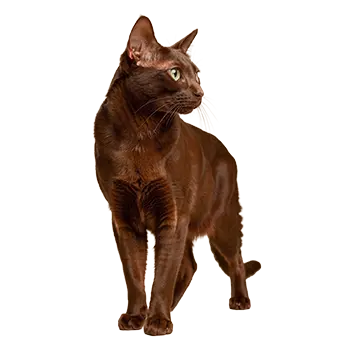
The adult Havana Brown, typically from one to around ten years of age, is in its physical prime. During these years the breed's elegant, muscular build is fully developed, and the stunning chocolate brown coat has reached its deepest and most lustrous color. Maintaining this peak condition requires consistent attention to diet, exercise, veterinary care, and environmental enrichment.

Annual veterinary wellness examinations are the cornerstone of preventive health during the adult years. These visits allow your veterinarian to detect subtle changes in weight, dental health, organ function, and overall condition before they become serious problems. Bloodwork panels performed during wellness visits establish baseline values that become invaluable reference points as your cat ages.

Keep vaccination boosters current according to the schedule recommended by your veterinarian. Core vaccines typically require periodic boosters, while non-core vaccines are administered based on your cat's lifestyle and risk factors. Parasite prevention, including protection against fleas, ticks, and intestinal worms, should continue year-round even for indoor-only cats, as parasites can enter the home through various routes.

The Havana Brown is generally a healthy breed, but like all purebred cats, it can be predisposed to certain conditions. Stay informed about the breed's health profile and report any changes in appetite, behavior, litter box habits, or energy level to your veterinarian promptly. Early detection and intervention remain the most effective tools for managing health issues at any age.

Nutrition at Maturity

An adult Havana Brown should be fed a high-quality commercial cat food formulated for adult maintenance. The transition from kitten food to adult food should have been completed around twelve months of age. Adult formulations have lower caloric density and adjusted nutrient profiles that match the slower metabolic rate of a fully grown cat, helping to prevent the gradual weight creep that is common in adult indoor cats.

Portion control is essential for maintaining a healthy body weight. Follow the feeding guidelines on your chosen food as a starting point, but adjust based on your individual cat's body condition. Your veterinarian can help you assess whether your Havana Brown is at an ideal weight using body condition scoring. A cat at a healthy weight has a visible waist when viewed from above and ribs that can be felt but are not prominently visible.

Feed measured meals at consistent times rather than leaving food out indefinitely. Most adult cats do well with two meals per day, spaced roughly twelve hours apart. This routine supports healthy digestion, allows you to monitor appetite as an indicator of health, and prevents overconsumption. Treats should comprise no more than ten percent of daily caloric intake.

Fresh water access is critical. Many cats do not drink enough water, which can contribute to urinary tract issues over time. Offering water in multiple locations throughout the home, using wide shallow bowls that do not press against the whiskers, and providing a circulating water fountain are all strategies that can encourage adequate hydration.

Exercise & Fitness

The adult Havana Brown retains much of the playfulness and curiosity that characterizes the breed throughout life. While energy levels mellow somewhat compared to the adolescent phase, these cats still require regular physical and mental stimulation to remain fit and content. Aim for at least two interactive play sessions daily, each lasting ten to fifteen minutes.

Environmental enrichment continues to be important for indoor Havana Browns. Cat trees with multiple levels, window perches positioned to observe outdoor activity, puzzle feeders that challenge the cat to work for portions of its meal, and rotating selections of toys all contribute to a stimulating home environment. The breed's intelligence means that repetitive or unchanging environments can lead to boredom and associated behavioral issues.

Weight management through appropriate exercise is one of the most impactful things you can do for your cat's long-term health. Obesity in cats increases the risk of diabetes, joint disease, urinary problems, and reduced lifespan. If your Havana Brown begins to gain excess weight, increase activity levels and review portion sizes with your veterinarian before the problem compounds.

Consider leash training your Havana Brown if your living situation allows safe outdoor access. This breed's sociable and adaptable nature makes many individuals good candidates for supervised outdoor excursions on a harness and leash. These outings provide novel sensory stimulation that enriches the cat's quality of life while keeping it safe from the dangers of unsupervised outdoor access.

Preventive Health Care

Beyond annual wellness examinations, preventive health care for the adult Havana Brown includes several ongoing considerations. Dental health is a particularly important area, as periodontal disease is one of the most common health issues in adult cats. Your veterinarian may recommend professional dental cleanings under anesthesia at intervals determined by your cat's individual dental health status.

At-home dental care, while challenging with many cats, can significantly reduce the buildup of plaque and tartar between professional cleanings. Gradual introduction of tooth brushing using a cat-specific toothpaste, dental treats designed to reduce tartar, and water additives formulated for feline oral health are all options to discuss with your veterinarian.

Monitor your Havana Brown for common adult feline health indicators between veterinary visits. Changes in water consumption, litter box output, appetite, grooming habits, or activity level can all signal developing health issues. Familiarize yourself with what is normal for your individual cat so that deviations are noticeable early.

Maintain a written or digital health record that includes vaccination dates, parasite prevention schedules, weight trends, and notes from each veterinary visit. This organized record helps you stay on top of preventive care schedules and provides your veterinarian with a comprehensive history that supports informed medical decision-making.

Behavioral Maturity

By the time a Havana Brown reaches full adulthood, its personality is well established. The breed is known for a warm, people-focused temperament combined with a playful intelligence that keeps interactions engaging. Adult Havana Browns typically form strong bonds with their primary caregivers and often seek out physical contact, using their distinctive paw-reaching gesture to initiate connection.

Behavioral consistency from the owner reinforces the cat's sense of security. Maintaining predictable routines for feeding, play, and rest helps the Havana Brown feel settled in its environment. While this breed adapts well to change compared to many cats, major disruptions such as household moves, new family members, or changes in schedule should be introduced as gradually as possible.

Adult Havana Browns that exhibit sudden behavioral changes such as aggression, inappropriate elimination, excessive vocalization, or withdrawal may be communicating a health issue or environmental stressor. These changes should never be dismissed as simple misbehavior. A veterinary examination to rule out medical causes should be the first response, followed by an assessment of any environmental changes that might be contributing to stress.

If you are introducing a new pet to a household with an adult Havana Brown, follow a structured introduction protocol that allows both animals to acclimate gradually. The Havana Brown's social nature often makes it receptive to companion animals, but rushed introductions can create territorial stress that undermines the potential for a positive relationship.

Dental & Grooming

The Havana Brown's short, smooth coat is one of the breed's most practical features, requiring minimal grooming to stay in excellent condition. A weekly brushing session with a soft rubber grooming mitt or short-bristled brush removes loose hair, distributes natural skin oils, and provides an opportunity to check for skin issues, lumps, or parasites. Most Havana Browns enjoy the sensation of gentle brushing and view grooming as a bonding activity.

Bathing is rarely necessary for a healthy Havana Brown. Cats are meticulous self-groomers, and the breed's short coat does not trap dirt or develop mats. Occasional bathing may be warranted if the cat gets into something messy or if recommended by your veterinarian for a skin condition. When bathing is needed, use a gentle shampoo formulated for cats and rinse thoroughly.

Nail trimming should be performed every two to three weeks, or as needed based on how quickly your cat's nails grow and how much natural wear they receive from scratching posts. Regular nail maintenance prevents overgrowth, which can cause the nails to curve into the paw pads and create discomfort or infection. Start nail care routines early and pair the experience with rewards to keep it stress-free.

Ear cleaning and eye care round out the grooming routine. Check the ears weekly for wax buildup, debris, or signs of infection such as redness, odor, or discharge. Clean gently with a veterinarian-recommended ear cleaner when needed. Wipe any minor eye discharge with a soft, damp cloth using a separate area of the cloth for each eye to prevent cross-contamination.

Always consult a qualified professional before making any health-related decisions. This content is provided for informational reference only and should not replace professional guidance specific to your animal.