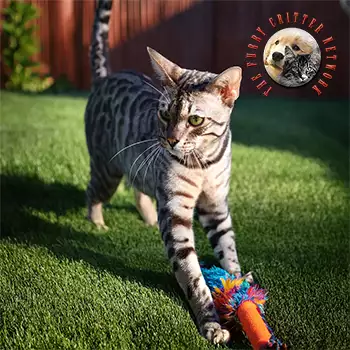

Growth & Physical Development

The juvenile period for Egyptian Maus spans roughly from two months through twelve months of age, during which these kittens undergo dramatic physical transformation. Their distinctively spotted coat pattern becomes increasingly defined and striking during this time, with individual spots becoming more clearly delineated against the lighter base coat. The characteristic dorsal stripe running along the spine darkens and becomes more prominent, and the "mascara" lines around the eyes grow bolder.

Growth occurs rapidly during the first six months, with most Egyptian Maus reaching approximately two-thirds of their adult weight by this point. Males tend to grow larger than females, ultimately reaching ten to fourteen pounds compared to the female's typical six to ten pounds. Skeletal development proceeds at a brisk pace, and you may notice periods of seemingly disproportionate growth where the legs appear too long for the body or the ears seem oversized relative to the head.

The Egyptian Mau's unique physical characteristics become more apparent during this stage. Their hind legs are noticeably longer than the front legs, contributing to the distinctive gait and remarkable speed for which the breed is famous. A loose flap of skin extending from the flank to the hind knee, known as the belly flap, develops during this period and gives the breed its extraordinary range of motion and stride length.

Monitor your juvenile Mau's growth by weighing them weekly and keeping a simple log. Steady, consistent weight gain is the goal, though growth rates may fluctuate and slow temporarily. Any sudden weight loss, failure to gain weight over several consecutive weeks, or a bloated abdomen despite poor body condition warrants a veterinary consultation to rule out parasites, nutritional deficiencies, or other health concerns.

Nutrition & Diet Transition

Proper nutrition during the juvenile phase is critical for supporting the Egyptian Mau's rapid growth and development. By eight to ten weeks of age, kittens should be fully weaned and eating a high-quality kitten food formulated to meet the elevated protein, fat, and caloric demands of growing cats. Look for foods where a named animal protein appears as the first ingredient, and ensure the food meets nutritional standards established by recognized pet nutrition authorities.

Feeding frequency should be adjusted as the kitten grows. From two to four months, offer four small meals per day. From four to six months, three meals daily is appropriate. After six months, most Egyptian Maus transition well to two meals per day, though some owners prefer to continue offering a midday snack. Free-feeding dry food is generally discouraged for this breed, as their athletic build is best maintained with controlled portion sizes.

Fresh, clean water should be available at all times, and many Egyptian Maus show a strong preference for running water. A pet water fountain can encourage adequate hydration, which supports kidney health and overall well-being. Some owners supplement their Mau's diet with small amounts of wet food, which provides additional moisture and variety. If you choose to mix wet and dry food, adjust portions accordingly to prevent overfeeding.

The transition from kitten food to adult food typically occurs around twelve months of age, though some larger males may benefit from remaining on kitten food slightly longer. When making the switch, do so gradually over seven to ten days by mixing increasing proportions of adult food with decreasing amounts of kitten food. Abrupt dietary changes can cause digestive upset, including vomiting and diarrhea, so patience during this transition is important.

Behavioral Changes

The juvenile period brings a whirlwind of behavioral development as Egyptian Mau kittens explore the boundaries of their world and their own capabilities. This breed is exceptionally active and curious, and juvenile Maus are known for their intense play drive, impressive vertical leaping ability, and fascination with anything that moves. Expect high-speed chases through the house, acrobatic leaps onto tall furniture, and enthusiastic ambush-style play with toys, other pets, and unsuspecting human feet.

Egyptian Maus begin developing their adult personality traits during this stage, including the breed's signature loyalty and attachment to their chosen person. Many juvenile Maus become noticeably bonded to one particular family member, following them from room to room, greeting them at the door, and seeking physical proximity. This deep attachment is endearing but also means that juvenile Maus can be sensitive to changes in routine or prolonged absences from their favorite person.

Territorial behavior often emerges during adolescence, particularly in intact males. Juvenile Maus may begin urine marking, become more vocal, or display possessive behavior around food bowls, favorite resting spots, or their preferred human. These behaviors are driven by hormonal changes associated with sexual maturity, which typically begins between five and nine months of age. Addressing these behaviors through appropriate environmental management and timely spaying or neutering can prevent them from becoming entrenched habits.

You may also notice your juvenile Mau becoming more vocal during this period. Egyptian Maus have a distinctive voice and a varied repertoire of sounds, including chirps, trills, and melodious vocalizations that differ markedly from the standard meow. They often "talk" to their owners, particularly when excited, hungry, or seeking attention. Encouraging these vocalizations through responsive interaction strengthens the bond between you and your developing Mau.

Training Priorities

Egyptian Maus are intelligent and responsive cats that take well to training when approached with patience and positive reinforcement. The juvenile period is the ideal time to establish foundational behaviors and household rules that will carry into adulthood. Start with litter box reliability, which most Maus master quickly, and then move on to other priorities such as scratching post usage, coming when called, and accepting handling for grooming and veterinary care.

Positive reinforcement is the only effective training approach for this breed. Egyptian Maus are sensitive cats that respond poorly to raised voices, physical correction, or punishment of any kind. Use small, high-value treats, verbal praise, and play sessions as rewards for desired behavior. Clicker training works exceptionally well with this breed, as their intelligence and food motivation make them quick to understand the connection between the click, the behavior, and the reward.

Redirecting unwanted behaviors is more effective than attempting to suppress them. If your juvenile Mau is scratching furniture, place attractive scratching posts near the targeted furniture and reward use of the posts generously. If counter-surfing is a problem, ensure the cat has adequate vertical space elsewhere, such as cat trees and shelves, and remove food temptations from accessible surfaces. Egyptian Maus are natural climbers and need appropriate outlets for their vertical instincts.

Many Egyptian Maus can be trained to walk on a harness and leash, and the juvenile period is the best time to begin this process. Start by allowing the kitten to wear the harness indoors for short periods, rewarding calm acceptance with treats. Once the harness is accepted, attach the leash and allow the kitten to drag it under supervision before gradually introducing gentle guidance. Outdoor walks provide valuable mental stimulation and physical exercise for this athletically gifted breed.

Exercise & Activity

The Egyptian Mau is widely regarded as the fastest domestic cat breed, capable of reaching speeds over 30 miles per hour, and their juvenile period is characterized by seemingly boundless energy. Providing adequate exercise and enrichment is not optional for this breed but rather essential for their physical health and psychological well-being. A bored or under-stimulated juvenile Mau will find its own entertainment, often in ways that are destructive or disruptive.

Interactive play sessions should occur at least twice daily, each lasting fifteen to twenty minutes or more. Wand toys, feather teasers, and laser pointers are particularly effective for engaging the Mau's prey drive and providing intense cardiovascular exercise. Rotate toys regularly to maintain novelty, as intelligent cats quickly lose interest in familiar objects. Puzzle feeders and food-dispensing toys add mental stimulation to mealtime and slow down enthusiastic eaters.

Vertical space is critically important for this breed. Cat trees, wall-mounted shelves, and window perches allow juvenile Maus to climb, survey their territory from above, and expend energy in a natural way. The ideal feline environment for an Egyptian Mau includes multiple levels and pathways that allow the cat to move through the upper reaches of a room without touching the floor. Window perches with views of outdoor bird feeders or wildlife provide hours of visual enrichment.

If your household includes multiple cats, supervised play between compatible feline companions provides excellent exercise and socialization. Egyptian Maus generally do well with other active, playful cats, though introductions should be done gradually and carefully. Some juvenile Maus also enjoy games of fetch, readily retrieving small toys or crumpled paper balls tossed across the room, which provides both physical activity and interactive bonding time.

Spay/Neuter Considerations

The decision regarding spaying or neutering your Egyptian Mau is an important one that should be discussed with your veterinarian. Most veterinarians recommend spaying or neutering pet-quality cats between four and six months of age, before the onset of sexual maturity and its associated behavioral changes. Egyptian Maus typically reach sexual maturity between five and nine months, though some individuals mature earlier.

For female Egyptian Maus, spaying eliminates the heat cycle, which in this breed can be frequent and vocal. Unspayed females may cycle every two to three weeks during breeding season, exhibiting restlessness, excessive vocalization, rolling on the floor, and attempts to escape outdoors. Spaying also eliminates the risk of pyometra, a potentially life-threatening uterine infection, and significantly reduces the risk of mammary cancer when performed before the first heat cycle.

Neutering male Egyptian Maus before sexual maturity helps prevent the development of urine spraying behavior, reduces territorial aggression, and eliminates the pungent odor that intact male cat urine produces. Neutered males are also less likely to roam, which reduces their risk of injury from fights with other cats or accidents outdoors. The procedure is straightforward, with most cats recovering fully within a few days.

If your Egyptian Mau is intended for a responsible breeding program, discuss the timing of sterilization with your breeder and veterinarian. Breeding-quality cats should be evaluated for breed-standard conformation, temperament, and genetic health before any breeding decisions are made. The Egyptian Mau gene pool is relatively small, and responsible breeders work carefully to maintain genetic diversity while screening for known health concerns within the breed.

Socialization & Exposure

Continued socialization throughout the juvenile period is essential for developing a well-adjusted adult Egyptian Mau. While the primary socialization window closes around seven to nine weeks of age, the experiences and exposures that occur during the months that follow remain highly influential in shaping the cat's comfort level with people, environments, and stimuli. Egyptian Maus have a natural tendency toward caution with strangers, making ongoing socialization efforts particularly important.

Introduce your juvenile Mau to a variety of people in controlled, positive settings. Invite friends and family members to visit, providing them with treats to offer the kitten. Avoid forcing interactions, as the Egyptian Mau's trust is earned, not demanded. Allow the kitten to approach new people on its own terms, and reward brave, curious behavior with treats and gentle praise. Over time, this builds the kitten's confidence and broadens its comfort zone.

Expose your juvenile Mau to the everyday sights, sounds, and experiences of household life. Vacuum cleaners, doorbells, television sounds, kitchen appliances, and other common noises should be introduced gradually at reduced volume when possible. Pair potentially startling experiences with treats or play to create positive associations. Car rides in a secure carrier, visits to the veterinary clinic for social visits without procedures, and exposure to different rooms and environments all contribute to a more adaptable adult cat.

If you plan to introduce your Egyptian Mau to other pets in the household, the juvenile period offers the best opportunity for successful integration. Follow a gradual introduction protocol that includes scent swapping, visual access through a barrier, and supervised face-to-face meetings. Egyptian Maus can coexist peacefully with other cats and cat-friendly dogs, but they tend to prefer being the dominant feline in multi-cat households. Patience and careful management during the introduction process lay the groundwork for harmonious long-term relationships.

Always consult a qualified professional before making any health-related decisions. This content is provided for informational reference only and should not replace professional guidance specific to your animal.