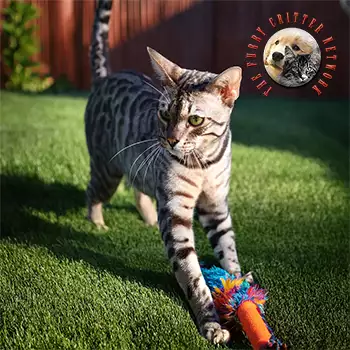

Breeding Egyptian Maus responsibly requires careful preparation, extensive knowledge of the breed, and a genuine commitment to improving the breed's health and genetic diversity. The Egyptian Mau has a relatively small gene pool compared to more common breeds, which makes thoughtful breeding decisions critically important. Before considering breeding, prospective breeders should spend considerable time studying the breed standard, building relationships with experienced mentors in the Egyptian Mau breeding community, and understanding the genetic landscape of their chosen lines.
Both the queen and the stud should undergo comprehensive health screening before any breeding takes place. At minimum, this should include cardiac evaluation via echocardiography to screen for hypertrophic cardiomyopathy, testing for common feline infectious diseases including feline leukemia virus and feline immunodeficiency virus, a complete physical examination, and dental assessment. Both cats should be current on vaccinations and free of internal and external parasites. Discuss breed-specific genetic testing with your veterinarian to ensure the most thorough health evaluation possible.
The physical maturity of the breeding pair matters significantly. While Egyptian Maus may reach sexual maturity as early as five months, responsible breeders typically wait until the queen is at least eighteen months to two years old before her first breeding. This ensures full physical maturity and allows time for comprehensive health screening. The stud should similarly be fully mature and health-tested. Breeding immature cats increases the risk of complications and produces less predictable results.
Temperament evaluation is an essential component of breeding readiness that is sometimes overlooked. The Egyptian Mau's personality is one of the breed's most treasured attributes, and breeding stock should exemplify the breed's characteristic loyalty, intelligence, and engaging nature. Cats that display extreme fearfulness, unprovoked aggression, or significant behavioral dysfunction should not be bred, regardless of physical conformation, as temperament has a significant genetic component.