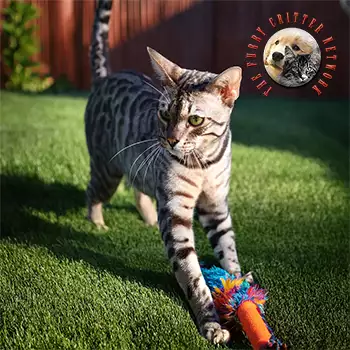

The Egyptian Mau is generally considered to enter the senior life stage around ten to twelve years of age, though individual cats may show signs of aging earlier or later depending on genetics, overall health, and lifestyle factors. With a typical lifespan of twelve to fifteen years and some individuals living into their late teens, the Mau's senior years can represent a significant and deeply rewarding chapter of the human-feline bond. Understanding the changes that accompany aging allows you to adapt care proactively rather than reactively.
The transition into senior status is usually gradual rather than abrupt. You may notice your once-lightning-fast Mau becoming slightly less explosive in its movements, preferring shorter play sessions, or choosing to nap in warm spots rather than patrolling the house with its former intensity. These changes are normal aspects of aging and do not necessarily indicate illness, but they do signal that your Mau's care routine should begin shifting to accommodate an older body and its evolving needs.
Veterinary professionals often distinguish between "senior" cats, roughly ten to fourteen years old, and "geriatric" cats over fifteen. This distinction is useful because the frequency and focus of veterinary care differs between the two groups. Senior cats benefit from twice-yearly veterinary examinations rather than the annual visits recommended for younger adults. These more frequent check-ups allow earlier detection of age-related conditions that become increasingly common as cats move through their senior years.
Begin a senior wellness baseline around age ten by working with your veterinarian to establish comprehensive blood work, urinalysis, blood pressure measurement, and thyroid screening results. These baseline values become invaluable reference points for detecting subtle changes over time. Early detection of conditions such as kidney disease, hyperthyroidism, diabetes, and hypertension dramatically improves treatment outcomes and quality of life for aging cats.