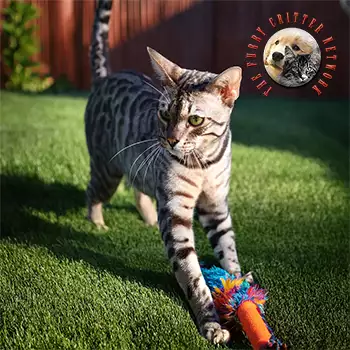

Peak Health Maintenance

The adult Egyptian Mau, typically considered fully mature between one and two years of age, enters its prime years as a strikingly beautiful and athletically gifted cat. This period, lasting roughly from age two through ten, represents the Mau at its physical peak. The spotted coat is fully developed and lustrous, the muscular body is lean and powerful, and the breed's legendary speed and agility are on full display. Maintaining this level of health and vitality requires consistent attention to nutrition, exercise, veterinary care, and environmental enrichment.

Annual veterinary examinations form the cornerstone of preventive health care for the adult Egyptian Mau. During these visits, your veterinarian will assess body condition, dental health, heart and lung function, and overall well-being. Routine blood work, including a complete blood count and biochemistry panel, helps establish baseline values and can detect emerging health issues before clinical signs appear. Discuss an appropriate vaccination schedule with your veterinarian, as adult cats may require less frequent boosters than kittens.

Egyptian Maus are generally a healthy and robust breed, but they are predisposed to certain health conditions that warrant awareness. Hypertrophic cardiomyopathy, a thickening of the heart muscle, has been documented in the breed, and periodic cardiac screening through echocardiography may be recommended. Some Maus also show sensitivity to certain anesthetic agents, so always inform any treating veterinarian of your cat's breed before procedures requiring sedation.

Maintaining your Mau at a healthy weight is one of the most impactful things you can do for their long-term health. Obesity increases the risk of diabetes, joint problems, and cardiovascular disease. The ideal adult Egyptian Mau has a clearly defined waist when viewed from above, ribs that are easily felt but not prominently visible, and a modest belly flap that should not be confused with excess fat. Regular weigh-ins at home or during veterinary visits help you track trends and adjust feeding as needed.

Nutrition at Maturity

Adult Egyptian Maus thrive on a high-quality diet that reflects their active metabolism and lean muscle mass. Select a food formulated for adult cats with a named animal protein as the primary ingredient. The Egyptian Mau's naturally athletic physique benefits from a diet that is moderately high in protein and moderate in fat, with limited carbohydrate content. Many owners find that a combination of high-quality wet and dry food provides a good balance of nutrition, hydration, and dental benefit.

Portion control is essential for maintaining optimal body condition. Follow feeding guidelines provided by the food manufacturer as a starting point, then adjust based on your individual cat's activity level, metabolism, and body condition. Most adult Maus do well on two measured meals per day. Avoid free-feeding, as the breed's food motivation and indoor lifestyle can lead to gradual weight gain if portions are not controlled.

Fresh water must be available at all times. Egyptian Maus are often fascinated by water and may prefer drinking from a flowing fountain rather than a still bowl. Some Maus enjoy dipping their paws in water or playing with dripping faucets. Adequate hydration supports kidney function, urinary tract health, and overall cellular processes. If your Mau eats primarily dry food, paying extra attention to water intake is especially important.

Treats should comprise no more than ten percent of your Mau's daily caloric intake. Use treats strategically for training reinforcement, bonding, and enrichment rather than as a dietary staple. Avoid offering human food scraps, particularly foods that are toxic to cats such as onions, garlic, grapes, chocolate, and anything containing xylitol. If you wish to offer occasional whole-food treats, small pieces of plain cooked chicken or fish are generally well received.

Exercise & Fitness

The adult Egyptian Mau retains the explosive athleticism and high energy levels that define the breed, and daily exercise remains a non-negotiable component of responsible Mau ownership. These cats need vigorous physical activity and mental stimulation to remain healthy and content. An under-exercised Mau is likely to develop behavioral problems, including destructive scratching, excessive vocalization, and overgrooming born of frustration and boredom.

Structured interactive play sessions should continue throughout adulthood, ideally twice daily for fifteen to twenty minutes each. The Egyptian Mau's prey drive remains strong, and toys that mimic the movement of birds, insects, or small rodents elicit the most enthusiastic response. Wand toys with feathered or fur attachments, motorized toys that move unpredictably, and even simple crumpled paper balls tossed for fetching all provide excellent exercise. Vary the types of play to engage different movement patterns, including sprinting, leaping, stalking, and pouncing.

Environmental enrichment is equally important for the indoor Egyptian Mau. A well-designed feline environment includes tall cat trees for climbing and surveying, window perches for bird watching, wall-mounted shelves or catwalks for elevated travel, and a variety of scratching surfaces in different orientations. Rotating toys weekly keeps the environment feeling fresh and engaging. Puzzle feeders that require the cat to work for its food add cognitive challenge to daily routines.

For owners who have harness-trained their Mau, supervised outdoor excursions provide unparalleled enrichment. The sights, sounds, and scents of the outdoor world engage every one of the Mau's keen senses and provide physical exercise that is difficult to replicate indoors. Always use a secure, escape-proof harness and keep your Mau on a leash, as their speed and agility make them virtually impossible to catch if they bolt. Enclosed outdoor spaces such as catios offer a safer alternative that allows outdoor access without the risks of free roaming.

Preventive Health Care

A proactive approach to health care during the adult years pays dividends in longevity and quality of life for your Egyptian Mau. Beyond annual examinations, several preventive measures deserve attention. Parasite prevention, including flea, tick, and intestinal parasite control, should be maintained year-round even for indoor cats. Indoor cats can be exposed to parasites through open windows, other pets that go outdoors, or parasites carried in on shoes and clothing.

Dental disease is one of the most common health problems affecting adult cats, and Egyptian Maus are no exception. Plaque and tartar accumulation can lead to gingivitis, periodontal disease, and tooth resorption, all of which cause pain and can contribute to systemic health problems. Ideally, introduce daily tooth brushing using a cat-specific toothpaste. If brushing is not tolerated, dental treats, water additives, and professional dental cleanings under anesthesia can help manage oral health.

Urinary tract health is a concern for all cats, and certain dietary and environmental factors can increase the risk of urinary issues. Ensure adequate water intake, maintain clean litter boxes, and monitor for signs of urinary problems such as straining to urinate, frequent trips to the litter box, blood in the urine, or urinating outside the box. Male cats are at particular risk for urinary blockages, which constitute a life-threatening emergency requiring immediate veterinary care.

Keep your Egyptian Mau's vaccinations current according to your veterinarian's recommended schedule. Core vaccines protect against serious and potentially fatal diseases. Additionally, discuss with your veterinarian whether any lifestyle-based vaccines are appropriate for your cat based on potential exposure risks. Maintain detailed health records, including vaccination dates, weight history, and any illnesses or treatments, as this information is invaluable for ongoing care.

Behavioral Maturity

By the age of two to three years, the Egyptian Mau has reached full behavioral maturity, and its adult personality is well established. The breed's defining traits are on full display during this period: fierce loyalty to their family, a playful and interactive nature, remarkable intelligence, and a certain regal self-assurance. Adult Maus are known for choosing a favorite person and forming an intensely devoted bond, often following that person throughout the house and seeking to be involved in their daily activities.

While the frenetic energy of kittenhood mellows somewhat in adulthood, Egyptian Maus remain among the most active and engaging cat breeds throughout their lives. They retain their love of interactive play, their fascination with moving objects, and their characteristic vocalizations. Many adult Maus develop charming rituals around mealtimes, playtime, or their owner's arrival home, demonstrating the breed's strong attachment to routine and the people they love.

Egyptian Maus can be reserved or cautious around unfamiliar people, and this trait often becomes more pronounced in adulthood. This is not a sign of poor socialization but rather a breed characteristic that should be respected rather than forced. Provide your Mau with escape routes and elevated hiding spots when guests visit, and allow the cat to approach strangers on its own terms. Many Maus will eventually warm up to regular visitors while remaining aloof with people they rarely see.

Stress management is important for this sensitive breed. Egyptian Maus can be affected by changes in their environment, household routine, or family dynamics. Moves, new family members, changes in work schedules, and the introduction of new pets can all trigger stress-related behaviors such as hiding, decreased appetite, overgrooming, or inappropriate elimination. Maintaining consistency in daily routines, providing secure hiding spots, and using calming pheromone diffusers can help ease transitions.

Dental & Grooming

The Egyptian Mau's short, dense coat is relatively low maintenance compared to longhaired breeds, but regular grooming still contributes to coat health, reduces shedding, and strengthens the bond between cat and owner. A weekly brushing session with a fine-toothed comb or rubber grooming mitt removes loose hair, distributes natural skin oils, and gives you the opportunity to check for skin abnormalities, parasites, or lumps. Most Maus enjoy the attention of a gentle grooming session once they are accustomed to the routine.

Bathing is rarely necessary for a healthy Egyptian Mau, as cats are fastidious self-groomers. However, occasional baths may be needed if the cat gets into something messy or if recommended by your veterinarian for skin conditions. When bathing is required, use a gentle cat-specific shampoo and warm water, and dry the cat thoroughly afterward to prevent chilling. Many Maus tolerate bathing better than other breeds due to their natural curiosity about water, though individual tolerance varies.

Nail trimming should be performed every two to three weeks to prevent overgrowth, splitting, and the discomfort of nails curling into paw pads. Use sharp cat nail clippers and trim only the transparent tip of each nail, avoiding the pink quick. If your Mau resists nail trimming, work gradually, trimming one or two nails per session and rewarding cooperation with treats. Providing multiple scratching posts and surfaces throughout your home encourages natural nail maintenance between trimmings.

Ear care involves weekly visual inspections for redness, discharge, odor, or excessive wax buildup. Healthy ears appear clean and pale pink inside. If cleaning is needed, use a veterinarian-recommended ear cleaning solution and a cotton ball, gently wiping the visible portion of the ear canal without inserting anything deep into the ear. Eye care is similarly straightforward. Gently wipe away any discharge from the corners of the eyes with a damp, soft cloth. Persistent eye discharge, redness, or squinting warrants veterinary attention.

Always consult a qualified professional before making any health-related decisions. This content is provided for informational reference only and should not replace professional guidance specific to your animal.