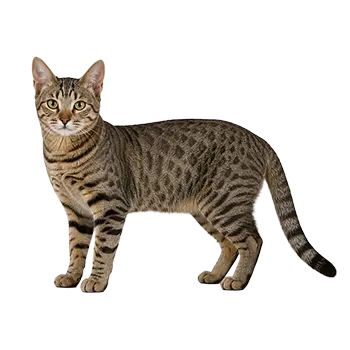
The Dragon Li is a naturally developed breed with roots stretching back centuries in rural China, where it thrived as a working farm cat and rodent hunter. This heritage has produced a hardy, well-proportioned cat with relatively few breed-specific genetic disorders compared to many selectively bred counterparts. Still, the absence of common hereditary conditions does not eliminate the need for vigilant health monitoring during the adult years, which span roughly from one year of age through ten. A strong veterinary relationship anchored by annual comprehensive examinations forms the backbone of responsible Dragon Li ownership.
Because the Dragon Li gene pool remains comparatively small outside of China, owners should be aware of the importance of genetic diversity in maintaining breed health over time. While no widespread hereditary diseases have been definitively linked to the breed, the limited number of registered individuals means that emerging health patterns may not yet be well documented in veterinary literature. Routine wellness bloodwork — including a complete blood count, serum chemistry panel, and thyroid screening — establishes baselines that allow your veterinarian to detect subtle shifts before they become clinical problems.
Vaccination protocols for the Dragon Li follow standard feline guidelines. Core vaccines protecting against panleukopenia, feline calicivirus, and feline herpesvirus should be kept current, and rabies vaccination is legally mandated in most regions. Lifestyle-dependent vaccines such as feline leukemia virus may be appropriate depending on indoor or outdoor access. Year-round parasite prevention covering fleas, ticks, and intestinal worms is essential even for predominantly indoor cats, since parasites can enter homes on shoes, clothing, and other pets.
The Dragon Li's alert, observant nature can actually work in the owner's favor when it comes to health monitoring. These cats tend to be creatures of habit, following consistent daily routines. Any deviation from established patterns — a normally food-motivated cat showing disinterest at mealtimes, a change in water consumption, altered litter box output, or reduced engagement with the household — should prompt closer observation and, if persistent, veterinary consultation. Monthly weigh-ins help track trends that might otherwise go unnoticed in a muscular, densely built cat.
