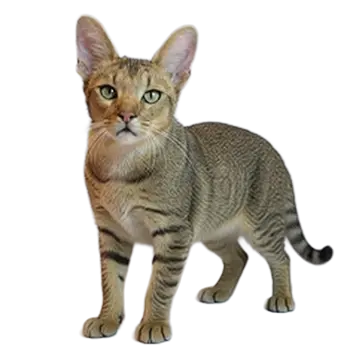

When Does Senior Begin?

Determining when a Chausie enters its senior years requires looking beyond simple calendar age. Most veterinary organizations consider cats to be senior at approximately eleven to twelve years of age, with geriatric status beginning around fifteen. However, individual variation is significant, and the Chausie's hybrid background can influence the aging timeline in ways that differ from fully domestic breeds. Some Chausies retain remarkable vitality and athleticism well into their teens, while others may begin showing age-related changes somewhat earlier.

The transition into senior status is typically gradual rather than sudden. Early signs may include a slight decrease in activity level, longer naps, reduced interest in vigorous play, and a preference for warmer resting spots. These changes can be subtle and easy to dismiss as normal laziness, but they represent genuine physiological shifts. The metabolic rate slows, lean muscle mass begins to decline, and the immune system becomes less responsive. Recognizing these early signs allows owners to adapt care routines proactively rather than reactively.

A veterinarian can help establish when a specific Chausie should be considered senior based on physical examination findings, blood work results, and overall health status. Once senior status is established, the recommended frequency of veterinary examinations typically increases from annually to every six months. More frequent monitoring allows for earlier detection of age-related conditions such as kidney disease, hyperthyroidism, and diabetes, all of which are more effectively managed when caught early.

The emotional dimension of the senior transition deserves acknowledgment as well. For owners who have shared years of active companionship with their Chausie, recognizing the signs of aging can be bittersweet. Understanding that the senior years bring their own rewards, including a deeper bond, a calmer household, and the quiet satisfaction of caring for a beloved companion through all life stages, helps frame this transition in a positive light.

Mobility & Joint Health

The Chausie's large frame and athletic build place particular demands on its musculoskeletal system, and age-related joint changes can have a significant impact on quality of life. Osteoarthritis is common in senior cats, though it is frequently underdiagnosed because cats are masters at concealing pain and discomfort. In a breed as stoic and independent as the Chausie, joint pain may manifest only as subtle changes in behavior rather than overt limping or vocalizations.

Watch for signs such as reluctance to jump onto surfaces the cat previously accessed easily, hesitation at the top or bottom of stairs, a stiff or stilted gait upon waking, decreased grooming of hard-to-reach areas, and a preference for resting at ground level rather than on elevated perches. Any of these changes in a previously agile Chausie should prompt a veterinary evaluation. Radiographs and physical examination can reveal the extent of joint degeneration and guide treatment decisions.

Environmental modifications can dramatically improve the mobility and comfort of a senior Chausie. Ramps or pet stairs placed at the cat's favorite elevated resting spots reduce the need for painful jumping. Orthopedic beds with memory foam cushioning support aging joints and encourage restful sleep. Litter boxes with low entry points eliminate the need to step over high walls, which can be painful for cats with hip or knee arthritis. Heated beds or pads provide soothing warmth that helps relax stiff muscles and joints.

Veterinary management of joint disease may include anti-inflammatory medications, joint supplements containing glucosamine and chondroitin, omega-3 fatty acid supplementation, and in some cases, more advanced interventions such as laser therapy or acupuncture. Pain management is a critical priority, as chronic untreated pain diminishes quality of life and can accelerate cognitive decline. Work closely with the veterinarian to develop a multimodal pain management plan tailored to the individual cat's needs.

Cognitive Changes

Cognitive dysfunction syndrome is a recognized condition in senior cats that parallels dementia in humans. For a breed as intelligent and mentally active as the Chausie, cognitive decline can be particularly distressing for both the cat and its owner. The condition develops gradually and may initially be mistaken for normal aging, but its progression can significantly affect the cat's ability to navigate daily life.

Early signs of cognitive dysfunction include disorientation in familiar environments, changes in the sleep-wake cycle such as nighttime wakefulness and vocalization, altered interactions with family members, lapses in litter box habits in a previously reliable cat, and increased anxiety or clinginess. A Chausie that once confidently patrolled its territory may begin to appear confused when entering a room, stare blankly at walls, or forget the location of food bowls and litter boxes it has used for years.

Veterinary evaluation is important to rule out other medical conditions that can mimic cognitive dysfunction, including hyperthyroidism, high blood pressure, pain, and sensory loss. Once a diagnosis is established, management strategies can be implemented. Environmental consistency becomes paramount: avoid rearranging furniture, maintain predictable routines for feeding and play, and ensure that essential resources such as food, water, and litter boxes are easily accessible and in consistent locations.

Mental enrichment remains important even as cognitive abilities decline. Simplified puzzle toys, gentle interactive play, and calm social interaction help maintain neural connections and slow the progression of cognitive decline. Nightlights placed along pathways the cat uses frequently can reduce nighttime disorientation. In some cases, veterinary-prescribed medications or dietary supplements designed to support cognitive function may be beneficial. The goal is to preserve the cat's dignity, comfort, and quality of life as cognitive abilities change.

Nutrition for Aging

The nutritional needs of a senior Chausie differ meaningfully from those of a younger adult. As metabolism slows and activity levels decrease, caloric needs decline, but the requirement for high-quality, easily digestible protein actually increases. Senior cats lose muscle mass more readily than younger animals, and adequate protein intake is essential for maintaining lean body condition and supporting immune function. The Chausie's existing digestive sensitivities may become more pronounced with age, making dietary choices even more consequential.

Transition to a senior-formulated diet gradually, mixing increasing proportions of the new food with the old over seven to ten days to minimize digestive upset. Look for foods that feature high-quality animal protein as the primary ingredient, moderate fat levels, and controlled phosphorus content to support kidney health. Many senior cat foods also include added fiber to support digestive regularity, which can be beneficial for older cats prone to constipation.

Hydration becomes increasingly critical as cats age, since kidney function naturally declines over time and dehydration accelerates kidney deterioration. Encourage water intake by providing multiple fresh water sources throughout the home, using pet fountains, and incorporating wet food into the diet. Some owners add small amounts of warm water or low-sodium broth to dry food to increase moisture content. Monitor the cat's water intake and urine output, as significant changes in either can indicate kidney disease or other metabolic conditions.

Appetite changes are common in senior cats and should not be ignored. A gradual decline in food intake may reflect dental pain, nausea, decreased sense of smell, or underlying illness. Warming food slightly can enhance its aroma and make it more appealing. Elevated food bowls reduce neck strain and may encourage eating in cats with cervical arthritis. If appetite loss is persistent or accompanied by weight loss, a veterinary evaluation is warranted to identify and address the underlying cause.

Increased Veterinary Care

The senior Chausie benefits from a more intensive veterinary monitoring schedule than its younger counterpart. Biannual wellness examinations allow the veterinarian to track trends in body weight, organ function, and overall condition that might not be apparent from a single annual visit. Each examination should include a comprehensive physical assessment, complete blood work, urinalysis, and blood pressure measurement. These diagnostics form a longitudinal health picture that enables early intervention when values begin to shift outside normal ranges.

Kidney disease is one of the most common conditions affecting senior cats and is a particular concern for breeds with any history of dietary sensitivity. Regular monitoring of kidney values, including blood urea nitrogen, creatinine, and symmetric dimethylarginine, allows for detection of renal decline before clinical signs such as increased thirst, increased urination, weight loss, and appetite reduction become apparent. Early-stage kidney disease can often be managed effectively with dietary modification and supportive care, significantly extending quality of life.

Hyperthyroidism is another condition that becomes more prevalent with age. This overproduction of thyroid hormone causes weight loss despite a good appetite, increased restlessness, vomiting, and elevated heart rate. Thyroid screening should be part of every senior wellness panel. If diagnosed, treatment options include medication, dietary management, radioactive iodine therapy, and surgery, each with distinct advantages and considerations that should be discussed with the veterinarian.

Dental disease accelerates in senior cats and can become a source of chronic pain and systemic infection if left unaddressed. Professional dental evaluations, potentially including dental radiographs, should be performed at least annually. Tooth extractions may be necessary for severely affected teeth, and while the prospect may seem daunting, cats adapt remarkably well to eating without a full set of teeth. The relief from chronic oral pain often produces a dramatic improvement in appetite, behavior, and overall demeanor.

Quality of Life Assessment

Regularly assessing quality of life is one of the most important responsibilities of caring for a senior Chausie. Quality of life is a multifaceted concept that encompasses physical comfort, emotional wellbeing, ability to engage in normal behaviors, appetite, mobility, and overall enjoyment of daily life. No single metric captures it completely, and the assessment is inherently subjective, but structured evaluation frameworks can help owners make informed and compassionate decisions about their cat's care.

Several veterinary quality of life scales are available that assign scores across categories such as pain, hunger, hydration, hygiene, happiness, mobility, and the balance of good days versus bad days. Using one of these tools on a regular basis, such as weekly, creates a written record that reveals trends over time. A gradual downward trend across multiple categories is more informative than any single bad day, and it provides an objective basis for conversations with the veterinarian about care adjustments.

The Chausie's strong bond with its owner makes the owner uniquely qualified to recognize subtle shifts in the cat's demeanor and engagement. Has the cat stopped greeting you at the door? Does it no longer seek out its favorite sunbeam or respond to the sound of the treat container? Has it withdrawn from social interaction or begun hiding in unusual places? These behavioral changes, while individually minor, can collectively paint a picture of declining quality of life that warrants attention.

Open communication with the veterinarian about quality of life is essential. The veterinarian can help interpret clinical findings in the context of the cat's daily experience and suggest interventions that may improve comfort and function. When quality of life can no longer be maintained at an acceptable level despite best efforts, the veterinarian can also guide conversations about end-of-life planning with sensitivity and expertise. The goal throughout the senior years is to ensure that each day the cat lives is a day worth living.

Always consult a qualified professional before making any health-related decisions. This content is provided for informational reference only and should not replace professional guidance specific to your animal.