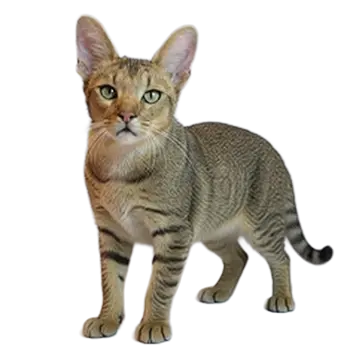

Peak Health Maintenance

A Chausie in its prime adult years, roughly three to eight years of age, is a magnificent animal at the height of its physical capabilities. Maintaining this peak condition requires a proactive approach to health that goes beyond simply addressing problems as they arise. The foundation of peak health maintenance is a strong partnership with a veterinarian who understands the unique characteristics of hybrid breeds and can tailor care recommendations accordingly.

Annual wellness examinations are the cornerstone of preventive health care for adult Chausies. These visits should include a thorough physical examination, dental assessment, body condition scoring, and discussion of any behavioral changes observed at home. Routine blood work, including a complete blood count and chemistry panel, establishes baseline values that make it easier to detect subtle changes in organ function before clinical signs appear. Urinalysis may also be recommended, particularly as the cat moves into the later adult years.

Parasite prevention should continue year-round, even for indoor-only Chausies. Fleas, ticks, and intestinal parasites can enter the home on clothing, shoes, or other pets, and heartworm-carrying mosquitoes can find their way indoors. Discuss the most appropriate preventive products with the veterinarian, as some topical or oral parasite preventives may be better suited to the Chausie's size and coat type than others.

Vaccination protocols for adult cats typically involve core vaccine boosters administered on a schedule determined by the veterinarian, which may be annual or triennial depending on the specific vaccines used and the cat's risk profile. Non-core vaccines should be evaluated based on the individual cat's lifestyle and exposure risk. Keep all vaccination records organized and accessible, as they may be required for boarding, travel, or in the event of a bite incident.

Nutrition at Maturity

Feeding an adult Chausie well means understanding and accommodating the breed's distinctive digestive physiology. The shorter intestinal tract inherited from jungle cat ancestry means that Chausies often thrive on diets that are high in animal protein and low in plant-based carbohydrates and fillers. Many owners of adult Chausies find that their cats do best on a diet that closely mimics what a wild felid might consume, emphasizing quality protein sources and natural fats.

Portion control becomes increasingly important as the Chausie transitions from the growth-supporting caloric needs of adolescence to the maintenance requirements of adulthood. An adult Chausie's daily caloric intake should be calculated based on its ideal body weight, activity level, and metabolic rate. Most adult Chausies in good condition require between 250 and 400 calories per day, divided into two meals. Adjust portions based on body condition rather than relying solely on feeding guidelines printed on food packaging, which are often generalized for average-sized cats.

Food sensitivities and intolerances are relatively common in the breed. Signs of dietary intolerance include chronic loose stools, excessive flatulence, vomiting, and dull coat quality. If these symptoms are present, a systematic dietary trial under veterinary guidance can help identify the offending ingredients. Common culprits include grains, certain proteins, and artificial additives. Once triggers are identified, selecting an appropriate diet becomes straightforward.

Supplementation is generally unnecessary if the cat is eating a complete and balanced commercial diet. However, some owners and veterinarians opt to add omega-3 fatty acids for coat and joint health, or probiotics to support digestive function. Any supplementation should be discussed with the veterinarian to avoid inadvertently creating nutritional imbalances.

Exercise & Fitness

The adult Chausie retains the athletic drive and energy of its youth, and providing adequate physical outlets remains essential throughout the prime years. A Chausie that does not receive sufficient exercise is at risk for obesity, behavioral problems, and the psychological distress that comes from an unstimulating environment. The breed's muscular build and long legs are designed for running, jumping, and climbing, and daily life should offer ample opportunity for all three.

Structured play sessions remain the most effective tool for ensuring adequate exercise. Two sessions of twenty to thirty minutes each day, using a variety of interactive toys, keep the adult Chausie physically engaged and mentally stimulated. Wand toys that mimic the movement of prey are perennial favorites, but puzzle toys, fetch games, and even agility courses set up in the home can add variety. Some Chausies enjoy playing in water and will splash in a shallow tub or bat at a running faucet for extended periods.

Environmental enrichment is just as important as direct play. A home environment designed with the Chausie's needs in mind includes tall cat trees, window perches with views of outdoor activity, tunnels, and elevated walkways. Rotating the arrangement of furniture and enrichment items periodically prevents the cat from becoming bored with its surroundings. Bird feeders placed outside windows provide endless visual entertainment and stimulate the cat's predatory instincts in a safe way.

For owners who can provide it safely, supervised outdoor access through a secure enclosure or leash walking offers unparalleled enrichment. The sights, sounds, and smells of the outdoors engage the Chausie's senses far more completely than any indoor environment can. Always ensure outdoor time is supervised and that the cat is secured against escape, as Chausies are fast, agile, and capable of scaling impressive obstacles.

Preventive Health Care

Preventive care for the adult Chausie extends beyond routine veterinary visits to encompass daily monitoring and proactive management of breed-specific health considerations. Because Chausies are a relatively uncommon breed with hybrid ancestry, being attuned to subtle changes in behavior, appetite, and physical condition allows owners to catch potential problems early when they are most treatable.

Dental health is an area that deserves consistent attention. Periodontal disease is one of the most common health problems in adult cats and can lead to pain, tooth loss, and systemic infections affecting the heart, kidneys, and liver. Ideally, adult Chausies should have their teeth examined at every veterinary visit, with professional dental cleanings performed as recommended. At-home dental care, including brushing with a cat-safe toothpaste or using dental treats and water additives, can slow the accumulation of plaque and tartar between professional cleanings.

Weight management is a critical component of preventive care. Obesity in cats is associated with diabetes, joint disease, urinary problems, and reduced lifespan. The Chausie's large frame can make it difficult to assess body condition visually, so regular weigh-ins and body condition scoring using a standardized scale are important. A healthy adult Chausie should have a visible waist when viewed from above and ribs that can be felt easily under a thin layer of fat.

Screening for common feline diseases such as feline immunodeficiency virus and feline leukemia virus should be performed if the cat's status is unknown or if there has been any potential exposure. Kidney function, thyroid levels, and blood pressure monitoring become increasingly important as the cat approaches the transition from adult to senior status. Early detection of chronic conditions allows for intervention strategies that can significantly extend quality of life.

Behavioral Maturity

By three to four years of age, most Chausies have settled into their adult personality, though the breed retains a youthful energy and playfulness well beyond what is typical for domestic cats. Behavioral maturity in a Chausie does not mean passivity. Rather, it represents a refinement of the cat's impulses, social skills, and communication style into a more predictable and manageable pattern. The wild-eyed adolescent that terrorized the household has become a confident, assertive, and deeply bonded companion.

Adult Chausies are known for forming exceptionally strong attachments to their primary caregivers. Many exhibit dog-like loyalty, following their chosen person from room to room, greeting them at the door, and seeking out physical contact throughout the day. This bond is deeply rewarding but also comes with responsibility. Chausies that are left alone for extended periods without companionship or stimulation can develop separation anxiety, which may manifest as destructive behavior, excessive vocalization, or inappropriate elimination.

The adult Chausie's intelligence continues to demand engagement. These cats benefit enormously from ongoing training, which can include advanced tricks, agility work, or even cooperative games that require problem-solving. Mental stimulation is not a luxury for this breed but a genuine need. An intellectually understimulated Chausie may redirect its considerable cognitive abilities toward activities the owner would prefer it didn't pursue, such as opening cabinets, defeating childproof locks, or dismantling household objects.

Social dynamics with other pets typically stabilize during the adult years, though occasional conflicts may arise, particularly if a new animal is introduced to the household. Adult Chausies are generally tolerant of compatible companions but may assert dominance over timid or submissive animals. Any introduction of a new pet should be conducted gradually and under close supervision, following established feline introduction protocols.

Dental & Grooming

The Chausie's short, dense coat is one of its most practical features from a grooming standpoint. Unlike long-haired breeds that require daily brushing to prevent matting, the Chausie's coat maintains itself reasonably well with minimal intervention. However, regular grooming sessions serve purposes beyond simple coat maintenance. They provide an opportunity to check for lumps, skin irritations, parasites, and wounds, and they reinforce the bond between cat and owner through positive physical contact.

A weekly brushing with a rubber grooming mitt or fine-toothed comb removes loose hair, distributes natural skin oils, and stimulates circulation. During seasonal shedding periods, typically spring and fall, more frequent brushing may be needed to manage the increased volume of shed hair. Chausies that are brushed regularly tend to produce fewer hairballs, which is a meaningful benefit for a breed that may already have digestive sensitivities.

Nail trimming should be performed every two to three weeks, or as needed based on the cat's activity level and access to scratching surfaces. Chausies that use scratching posts and cat trees regularly may wear down their nails naturally, reducing the frequency of trims. Use sharp, cat-specific nail clippers and trim only the transparent tip of each nail to avoid cutting into the quick, which is painful and causes bleeding.

Ear care involves weekly visual inspections and gentle cleaning with a veterinarian-recommended ear cleaner if debris is visible. The Chausie's tall, open ears are less prone to moisture buildup than those of fold-eared breeds, but they can still accumulate wax and debris. Eye discharge should be wiped away with a soft, damp cloth as needed. Dental care, as discussed in the preventive health section, rounds out the grooming routine and should be practiced consistently to maintain oral health throughout the adult years.

Always consult a qualified professional before making any health-related decisions. This content is provided for informational reference only and should not replace professional guidance specific to your animal.