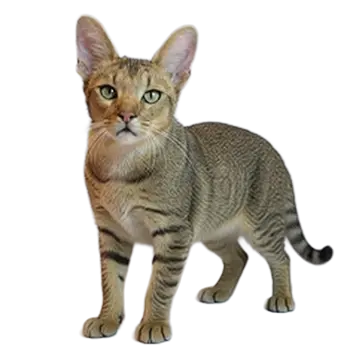

The First 24 Hours

The first day of a Chausie kitten's life is a delicate and critical period that sets the stage for healthy development. Chausie kittens are born blind, deaf, and entirely dependent on their mother for warmth, nutrition, and stimulation. Because the Chausie is a hybrid breed with jungle cat ancestry, litters can sometimes be smaller than those of fully domestic breeds, making each kitten's survival all the more important. The birthing environment should be quiet, warm, and free from disturbances to allow the queen to bond with her newborns without stress.

Within the first hour after birth, each kitten should begin nursing. Colostrum, the first milk produced by the queen, contains vital antibodies that provide passive immunity against infections during the early weeks when the kitten's own immune system is not yet functional. Observing each kitten to confirm it latches and nurses successfully is essential. Kittens that fail to nurse within the first two to three hours may need gentle guidance toward the nipple or supplemental feeding under veterinary direction.

Monitoring the queen's behavior during this period is just as important as watching the kittens. A healthy Chausie mother will clean each kitten thoroughly, sever the umbilical cord, and stimulate breathing and elimination by licking. If the queen appears disinterested or aggressive toward her kittens, intervention may be necessary. Keep the nesting area at a consistent temperature of around 85 to 90 degrees Fahrenheit, as newborn kittens cannot regulate their own body heat and are extremely vulnerable to chilling.

Weigh each kitten at birth and record the weight carefully. Chausie newborns typically weigh between three and four ounces, though this can vary depending on litter size and the queen's condition. Daily weight checks over the coming weeks will be one of the most reliable indicators of whether each kitten is thriving or falling behind.

Nursing & Nutrition

Proper nutrition during the neonatal period is the single most important factor in a Chausie kitten's survival and long-term health. For the first three to four weeks of life, the queen's milk should be the sole source of nutrition. Chausie queens, given their larger frame and hybrid vigor, generally produce ample milk, but the mother's own diet must be nutrient-dense and calorie-rich to support lactation. A high-quality kitten-formulated food offered to the queen in increased portions will help maintain her condition and milk supply.

Kittens should nurse every one to two hours during the first week. By the second week, intervals naturally extend as the kittens grow stronger and take in more milk per feeding. Watch for kittens that are consistently pushed away from the nipple by stronger siblings. In larger litters, rotating smaller or weaker kittens to the most productive nipples can help ensure equitable nutrition across the group.

If the queen is unable to nurse due to illness, injury, or rejection of the litter, a veterinary-approved kitten milk replacer must be used immediately. Never substitute cow's milk or other dairy products, as these cause severe digestive distress in kittens. Bottle feeding should mimic the natural nursing schedule, and kittens must be held in a belly-down position during feeding to prevent aspiration. After each feeding, gently stimulate the kitten's abdomen and genital area with a warm, damp cloth to encourage elimination, as neonates cannot do this on their own.

Around three to four weeks of age, the weaning process can begin. Introduce a gruel made from high-quality wet kitten food mixed with warm water or kitten milk replacer. Chausie kittens are often eager and curious eaters, reflecting the breed's natural boldness. Gradually thicken the consistency over the following two weeks as the kittens develop coordination and dental growth sufficient for semi-solid food.

Developmental Milestones

Chausie kittens progress through developmental milestones at a pace similar to other domestic cats, though their larger adult size means that growth may appear more dramatic during certain windows. During the first week, kittens spend nearly all their time sleeping and nursing. Their eyes remain sealed, and their ear canals are closed, but they can sense warmth and vibration, which helps them orient toward their mother and littermates.

Between days ten and fourteen, the eyes begin to open, revealing blue irises that will gradually shift to the breed's characteristic gold or yellow-green over the coming months. Hearing develops shortly after, and by three weeks the kittens begin responding to sounds in their environment. This is also the period when the first wobbly attempts at walking occur. Chausie kittens tend to be remarkably coordinated for their age, and by four weeks most are toddling with increasing confidence.

From four to six weeks, development accelerates rapidly. Kittens begin to play with one another, practicing pouncing, stalking, and wrestling behaviors that are deeply rooted in the breed's wild heritage. Deciduous teeth emerge, enabling the transition to solid food. Motor skills improve dramatically, and kittens begin exploring beyond the nest area. This is a natural and healthy behavior, but the environment must be kitten-proofed to prevent accidents.

By eight weeks, Chausie kittens are typically fully weaned, litter trained, and socially interactive. They can run, jump, and climb with surprising agility. Their personalities begin to emerge clearly, with some kittens displaying the bold, outgoing temperament the breed is known for, while others may be more cautious and observant. Each kitten should be assessed individually to tailor socialization and care to its unique developmental trajectory.

Temperature & Environment

Maintaining an appropriate thermal environment is critical for Chausie neonates. Newborn kittens lack the ability to shiver or regulate their body temperature effectively until approximately three weeks of age. A dedicated nesting box lined with soft, washable bedding should be placed in a draft-free area of the home, away from direct sunlight, air vents, and household traffic. The ambient temperature within the nesting area should be maintained at 85 to 90 degrees Fahrenheit during the first week, then gradually reduced by about five degrees per week as the kittens develop thermoregulation.

A heating pad designed for animal use, set on the lowest setting and placed beneath half the bedding, provides a reliable heat source. Positioning it under only one side of the nesting box allows kittens to move away from the heat if they become too warm. Hot water bottles wrapped in towels are an alternative, but they cool over time and must be refreshed frequently. Never use human heating pads or heat lamps without careful monitoring, as these can cause burns or overheating.

Hygiene in the nesting environment is equally important. Soiled bedding should be changed at least twice daily to prevent bacterial buildup and reduce the risk of neonatal infections. The queen will handle most of the kittens' waste elimination through grooming, but any visible soiling in the bedding should be addressed promptly. Keep the nesting area dimly lit and quiet for the first two weeks, as the kittens' developing senses are easily overwhelmed by bright light and loud sounds.

As the kittens grow and begin exploring beyond the nest around four weeks, expand their accessible space gradually. Ensure the wider environment is free of small objects that could be swallowed, toxic plants, exposed electrical cords, and gaps where a small kitten could become trapped. Chausie kittens are notably athletic and curious, and they will test boundaries earlier than many other breeds.

Early Socialization

Socialization is particularly important for Chausie kittens given the breed's hybrid background. The window between two and seven weeks of age is the most critical period for shaping a kitten's comfort with human interaction, household sounds, and novel experiences. Kittens that are gently handled during this period grow into more confident, well-adjusted adults, which is especially valuable in a breed that can be reserved or wary if under-socialized.

Begin gentle handling as early as the first week, limiting sessions to a few minutes at a time. Cradle each kitten, stroke it softly, and speak in a calm, low voice. By the second and third weeks, gradually increase handling time and introduce the kittens to different people in the household. Vary the way kittens are held and touched so they become comfortable with being examined, which will make veterinary visits less stressful throughout their lives.

From four weeks onward, introduce a wider range of stimuli in a controlled manner. Household sounds such as vacuum cleaners, televisions, and kitchen activity should be presented at low volume and gradually increased. Offer a variety of safe textures and surfaces for the kittens to walk on. Interactive toys that encourage chasing and batting help develop coordination while reinforcing positive associations with human-led play.

It is important to respect each kitten's individual pace. Some Chausie kittens will be bold explorers from the start, while others may need more gradual exposure. Forcing interactions on a reluctant kitten can produce lasting fearfulness rather than confidence. The goal is to create a rich but non-threatening environment that allows each kitten to build positive associations with the human world at its own speed.

Health Screening & Vet Visits

A veterinary examination within the first 48 hours of birth is recommended for all Chausie kittens, particularly in litters where complications occurred during delivery or where any kittens appear weak or undersized. The initial examination typically includes a check for congenital abnormalities such as cleft palate, heart murmurs, and umbilical hernias, as well as an overall assessment of body condition and hydration.

Deworming protocols generally begin at two weeks of age and are repeated at regular intervals as directed by the veterinarian. Intestinal parasites are common in young kittens and can quickly become life-threatening in neonates due to their small body mass. Fecal testing helps identify specific parasites so that treatment can be targeted and effective.

The first vaccinations are typically administered between six and eight weeks of age, covering core diseases such as feline panleukopenia, calicivirus, and rhinotracheitis. The vaccination schedule will continue with booster doses at three- to four-week intervals until the kitten is approximately sixteen weeks old. Discuss the appropriate timing of rabies vaccination with the veterinarian, as requirements vary by region.

Keep a detailed health log for each kitten that includes daily weights, feeding observations, stool consistency, and any behavioral changes. This record is invaluable for identifying subtle problems early. Chausie kittens, like other hybrid breeds, can occasionally present with digestive sensitivities, so tracking diet and stool quality from the start provides a useful baseline for the veterinarian to reference if issues arise later.

When to Worry

Despite the best care, neonatal kittens are fragile, and problems can escalate rapidly. Knowing the warning signs that require immediate veterinary attention is essential for anyone raising Chausie kittens. The most urgent red flag is a kitten that stops nursing or refuses to latch. In neonates, even a few missed feedings can lead to dangerous drops in blood sugar and dehydration.

Persistent crying is another significant warning sign. While brief vocalizations are normal, a kitten that cries continuously for more than thirty minutes may be cold, hungry, in pain, or ill. Check the kitten's temperature by feeling the pads of its feet and its belly. A kitten that feels cool to the touch needs immediate warming before any other intervention, as a chilled kitten cannot digest milk effectively and attempting to feed one can cause aspiration.

Watch for changes in stool consistency and color. Normal neonatal stool is yellowish and has a soft, paste-like texture. Watery, green, or bloody stool indicates a problem that warrants prompt veterinary evaluation. Similarly, a distended or hard abdomen can signal constipation, gas, or more serious internal issues.

Weight loss or failure to gain weight on a daily basis is one of the earliest and most reliable indicators of trouble. A healthy Chausie kitten should gain roughly a quarter of an ounce to half an ounce per day during the first two weeks. Any kitten that loses weight on two consecutive weigh-ins, or that fails to gain for more than 24 hours, should be evaluated by a veterinarian as soon as possible. Early intervention is always preferable to a wait-and-see approach with neonatal kittens.

Always consult a qualified professional before making any health-related decisions. This content is provided for informational reference only and should not replace professional guidance specific to your animal.