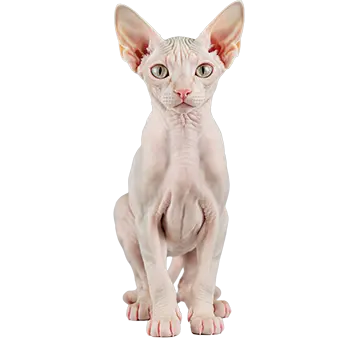

Growth & Physical Development

The juvenile stage for a Bambino typically spans from around three months to roughly one year of age, during which the kitten undergoes dramatic physical transformation. Growth during this period is rapid but not always linear. You may notice spurts where the kitten seems to grow overnight followed by brief plateaus. Regular weigh-ins every one to two weeks help you confirm that development is progressing within a healthy range.

Bambinos carry the genetic traits of both the Sphynx and the Munchkin, which means their growth pattern differs from standard domestic cats. Their legs will remain proportionally shorter than those of longer-legged breeds, and their musculature will develop to compensate, resulting in a sturdy, compact body. Despite their short stature, juvenile Bambinos are remarkably athletic and agile, often surprising owners with their ability to jump and climb.

The hairless or near-hairless skin of the Bambino continues to require attention during this growth phase. As the kitten's body grows, its skin may become oilier due to the lack of fur to absorb sebaceous secretions. You will likely begin to establish the regular bathing and skin-care routine that will be a lifelong part of Bambino ownership during this stage. Pay attention to the skin folds around the legs and belly, where oils and debris can accumulate.

By around eight to ten months, most Bambinos have reached close to their adult size, though they may continue to fill out and add muscle mass through the end of the first year. Males tend to be slightly larger than females. Your veterinarian can help you determine whether your Bambino's growth trajectory is appropriate based on its individual genetics and overall health profile.

Nutrition & Diet Transition

The transition from kitten food to a diet that supports the juvenile growth phase is an important nutritional milestone. Most Bambino kittens should remain on a high-quality kitten formula until at least 12 months of age, as the elevated protein and caloric content supports their continued growth and high energy expenditure. Avoid switching to adult cat food prematurely, as it may not provide the nutritional density a growing Bambino requires.

Feeding schedules during the juvenile stage typically shift from the frequent small meals of early kittenhood to three meals per day between three and six months, then to two meals per day from six months onward. Consistent meal timing helps regulate digestion and makes it easier to monitor appetite, which is an important health indicator. If your Bambino suddenly loses interest in food or becomes excessively hungry, consult your veterinarian.

Bambinos have a higher metabolic rate than many coated breeds because their hairless bodies expend more energy maintaining body temperature. This means they may require slightly more food per pound of body weight than a comparably sized coated cat. Monitor your kitten's body condition rather than relying solely on feeding guidelines printed on food packaging. You should be able to feel the ribs without pressing hard, but they should not be prominently visible.

Fresh, clean water should be available at all times. Some Bambinos prefer running water and may benefit from a pet fountain, which can encourage adequate hydration. Avoid feeding table scraps, raw diets without veterinary supervision, or foods known to be toxic to cats. If you wish to offer treats, keep them to no more than ten percent of the total daily caloric intake to avoid nutritional imbalances.

Behavioral Changes

The juvenile period is when the Bambino's personality truly comes into full bloom, and this breed does not disappoint when it comes to character. Bambinos are known for their outgoing, attention-seeking nature, and adolescent Bambinos take these traits to their peak intensity. Expect a kitten that wants to be involved in everything you do, from sitting on your keyboard to investigating every bag and box that enters the home.

Boundary testing is a hallmark of feline adolescence, and Bambinos are no exception. Your previously well-behaved kitten may begin pushing limits by jumping on countertops, scratching furniture, or play-biting with increasing force. These behaviors are normal developmental experiments, not signs of a bad temperament. Consistent, gentle redirection is far more effective than punishment, which can damage the strong bond this breed forms with its owners.

Play behavior becomes increasingly complex and vigorous during this stage. Bambinos are highly intelligent cats that require mental stimulation as much as physical exercise. You may notice your kitten developing favorite games, preferred toys, and specific play routines. Interactive play sessions of at least 15 to 20 minutes twice daily help channel the juvenile Bambino's considerable energy into appropriate outlets and reduce the likelihood of destructive boredom behaviors.

Some juvenile Bambinos may go through a brief period of increased vocalization. This breed can be quite chatty, and adolescent hormonal changes may amplify this tendency temporarily. If vocalization becomes excessive or is accompanied by other behavioral changes such as spraying, pacing, or aggression, discuss the timing of spaying or neutering with your veterinarian.

Training Priorities

Bambinos are among the more trainable cat breeds, thanks to their intelligence, food motivation, and desire to interact with humans. The juvenile stage is the optimal window for establishing the behaviors and routines that will carry through adulthood. Focus on litter box consistency, scratching post usage, and appropriate play manners as your foundational training priorities.

Litter box habits are usually well established by the time a Bambino enters the juvenile stage, but the transition to adolescence can sometimes bring lapses. Ensure the litter box is kept scrupulously clean, as Bambinos can be particular about hygiene. Provide at least one box per cat plus one additional box in a multi-cat household. If accidents occur, evaluate the box location, cleanliness, and litter type before assuming a behavioral problem, and consult your veterinarian to rule out urinary issues.

Positive reinforcement training works exceptionally well with Bambinos. Many can learn to respond to their name, come when called, sit on cue, and even perform simple tricks. Use small, high-value treats and keep training sessions short, around five minutes, to maintain the kitten's enthusiasm. Clicker training is an excellent method for this breed, as it provides the clear communication and immediate reward feedback that helps cats understand exactly which behavior is being reinforced.

Establishing handling tolerance during the juvenile stage is especially important for a hairless breed. Bambinos will need regular baths, ear cleaning, nail trimming, and skin inspections throughout their lives. Practice these grooming activities gently and frequently so they become routine rather than stressful events. Reward calm behavior during handling sessions, and never force a grooming procedure to the point of causing the kitten to panic.

Exercise & Activity

Despite their short legs, juvenile Bambinos are remarkably active and require daily exercise to maintain healthy weight and muscle development. Their energy levels during this stage can be surprisingly high, and a bored Bambino will find its own entertainment, often in ways that involve your curtains, houseplants, or bookshelf contents. Structured play is the best way to channel this energy constructively.

Interactive toys such as feather wands, laser pointers used responsibly, and puzzle feeders are excellent choices for this breed. Bambinos tend to be enthusiastic chasers and pounce with impressive accuracy despite their compact build. Rotate toys regularly to prevent boredom, and introduce new challenges periodically. Food-dispensing puzzle toys are particularly effective, as they engage both the Bambino's physical energy and its sharp mind.

Cat trees and climbing structures should be provided even for short-legged breeds. Bambinos are more capable climbers than their proportions might suggest, and they enjoy elevated vantage points. Choose cat furniture with closely spaced platforms and ramps rather than structures that require long vertical leaps. Horizontal running space is also valuable, and many Bambinos enjoy chasing toys down hallways or across open rooms.

Because Bambinos are hairless, outdoor exercise is generally not recommended. Their exposed skin is vulnerable to sunburn, temperature extremes, and injury from rough surfaces. If you wish to provide outdoor exposure, consider a fully enclosed catio or a harness-and-leash arrangement in shaded, temperate conditions. Always supervise outdoor time closely, and never leave a hairless cat outside unattended.

Spay/Neuter Considerations

The decision of when to spay or neuter your Bambino should be made in consultation with your veterinarian, taking into account the individual kitten's health, growth, and development. Many veterinarians recommend the procedure between four and six months of age, though some may suggest waiting until the kitten has reached a certain weight or developmental milestone. Early spaying or neutering can prevent unwanted behaviors such as spraying, roaming, and inter-cat aggression before they become established habits.

For female Bambinos, spaying eliminates the risk of pyometra, a life-threatening uterine infection, and significantly reduces the risk of mammary tumors. Because the Bambino is a relatively rare breed with a limited gene pool, responsible breeders may have contractual requirements regarding spay and neuter timing that should be honored. If you have purchased a Bambino as a pet rather than a breeding animal, your contract likely requires that the cat be altered.

Male Bambinos that are not neutered will typically begin spraying urine to mark territory as they reach sexual maturity, which can occur as early as five months of age. The odor of intact male cat urine is extremely pungent and difficult to eliminate from household surfaces. Neutering before the onset of spraying is far more effective than attempting to correct the behavior after it has become habitual.

Post-surgical care for a hairless breed requires a few additional considerations. The surgical site is fully visible on a Bambino, which makes monitoring for swelling, redness, or discharge easier than with coated cats. However, the lack of fur also means the incision is more exposed to environmental bacteria. Follow your veterinarian's post-operative instructions carefully, keep the recovery area clean, and use an appropriate recovery suit or cone to prevent the kitten from licking the incision site.

Socialization & Exposure

Continued socialization during the juvenile stage builds on the foundation established in the newborn period and is essential for producing a well-adjusted adult Bambino. The socialization window in cats begins to close around nine weeks of age, but positive experiences throughout the juvenile period continue to shape the cat's confidence and adaptability. Expose your Bambino to a wide variety of people, sounds, and household activities in a controlled, positive manner.

Introducing a juvenile Bambino to other household pets should be done gradually and with care. Begin with scent exchanges by swapping bedding between animals, followed by supervised visual introductions through a barrier such as a baby gate. Allow the animals to set the pace of their relationship, and never force direct physical contact. Bambinos are generally sociable with other cats and can often coexist well with cat-friendly dogs, but individual temperaments vary.

Travel and carrier training are valuable socialization goals during this stage. A Bambino that is comfortable in a carrier and accustomed to car rides will experience far less stress during veterinary visits and any future relocations. Start by leaving the carrier open in a common area with comfortable bedding inside. Feed treats and meals near or inside the carrier until the kitten enters it voluntarily. Short, positive car rides that do not end at the veterinary clinic help build a neutral or positive association with travel.

Expose the juvenile Bambino to the grooming and handling routines it will experience throughout its life. Regular bathing, ear cleaning, nail trimming, and dental care should all become familiar, low-stress activities during this period. Introduce each new experience gradually, pair it with rewards, and keep sessions short and positive. A Bambino that learns to accept grooming as a normal part of life during the juvenile stage will be far easier to care for as an adult.

Always consult a qualified professional before making any health-related decisions. This content is provided for informational reference only and should not replace professional guidance specific to your animal.