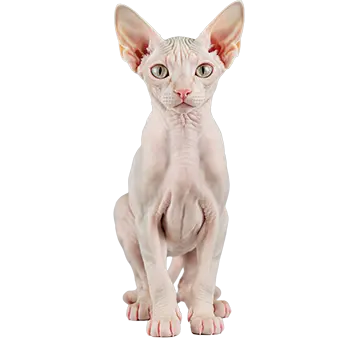

Breeding Readiness

Breeding Bambinos is a specialized endeavor that requires extensive knowledge of feline genetics, a commitment to the health and welfare of both parents and offspring, and the resources to provide comprehensive veterinary care throughout the process. The Bambino is a hybrid breed resulting from a cross between the Sphynx and the Munchkin, which means breeders must understand the inheritance patterns of both the hairless gene and the short-leg gene and their potential implications for kitten health.

Before considering breeding, both the queen and the stud should undergo thorough health evaluations. At minimum, this includes cardiac screening via echocardiography to check for hypertrophic cardiomyopathy, a condition prevalent in the Sphynx lineage, as well as comprehensive bloodwork, urinalysis, and testing for feline leukemia virus and feline immunodeficiency virus. Both cats should be current on all vaccinations and free of parasites.

The queen should be at least one year of age and have completed at least two full heat cycles before her first breeding. She must be in excellent physical condition with a healthy body weight and no underlying health concerns. Breeding a queen that is too young, too old, underweight, or in poor health puts both her life and the lives of her kittens at risk. The stud should similarly be in peak health and should have been screened for genetic conditions relevant to both parent breeds.

Prospective Bambino breeders should also have a clear plan for placing kittens in appropriate homes. Responsible breeding means having waitlists, screening potential owners, and being prepared to take back any kitten that a buyer can no longer keep. The financial investment in proper veterinary care, genetic testing, quality nutrition, and socialization is substantial, and breeding should never be approached as a profit-driven enterprise.

The Heat Cycle

Female Bambinos, like all domestic cats, are seasonally polyestrous, meaning they can cycle in and out of heat multiple times during the breeding season, which in indoor cats with artificial lighting can extend throughout the year. The heat cycle in cats consists of several phases, with the estrus phase being the period during which the queen is receptive to mating and can conceive.

The signs of estrus in a Bambino queen are typically unmistakable. She will become restless, excessively vocal, and may adopt the lordosis posture with her hindquarters raised and tail deflected to one side when stroked along the back. She may roll on the floor, rub against furniture and people with increased intensity, and attempt to escape outdoors. Some queens may spray urine during estrus, and appetite fluctuations are common.

Estrus in cats typically lasts between five and ten days if the queen is not bred. If mating does not occur, the queen will usually cycle back into heat within two to three weeks. Cats are induced ovulators, meaning ovulation is triggered by the physical act of mating rather than occurring spontaneously. Multiple matings over the course of the estrus period increase the likelihood of successful ovulation and conception.

Timing the introduction of the stud to the queen requires observation and experience. The queen should be in full standing estrus before the stud is introduced, and the mating pair should be supervised to ensure that breeding occurs safely. Some breeders prefer to bring the queen to the stud's environment, as males tend to be more confident and effective on their home territory. Monitor the pair for aggression and separate them if interactions become hostile.

Pregnancy & Gestation

The gestation period for Bambino cats is approximately 63 to 67 days, consistent with other domestic cat breeds. Pregnancy can be confirmed by a veterinarian through palpation at around three to four weeks, or via ultrasound, which can also provide an estimate of litter size. Radiographs taken after day 45 can give a more precise count of developing kittens by visualizing their skeletal structures.

During the first few weeks of pregnancy, the queen may not show obvious physical changes. Some queens experience a brief period of morning sickness with decreased appetite, though this is not universal. By the fourth week, the nipples typically become enlarged and pinker, a change known as pinking up. The queen's abdomen will begin to expand noticeably from around the fifth week onward, and weight gain will accelerate during the final third of pregnancy.

Nutrition during pregnancy is critical. The queen should be transitioned to a high-quality kitten formula food by the midpoint of pregnancy, as this provides the elevated protein, fat, and caloric content needed to support fetal development and prepare for lactation. Feed the queen freely during the later stages of pregnancy, as her caloric needs increase substantially. Ensure constant access to fresh water and avoid supplementing with vitamins or minerals unless specifically directed by your veterinarian, as imbalances can be harmful.

The pregnant Bambino should be kept in a calm, comfortable indoor environment away from stressors. Avoid unnecessary handling of her abdomen, and limit her interaction with unfamiliar animals to reduce the risk of infectious disease exposure. As the due date approaches, prepare a quiet nesting area in a warm, draft-free room where the queen can feel secure. Provide a nesting box lined with clean towels or fleece, and introduce the queen to this space well before her expected delivery date.

Queening Preparation

Preparing for the birth of a Bambino litter, known as queening in cats, requires advance planning and a calm, methodical approach. Assemble a queening kit at least two weeks before the expected due date. This kit should include clean towels, a bulb syringe for clearing airways, unwaxed dental floss and blunt scissors for tying and cutting umbilical cords if the queen fails to do so, a digital scale for weighing kittens, iodine solution for the umbilical stump, a heating pad, and the contact information for your veterinarian and the nearest emergency veterinary clinic.

The queening box should be placed in a quiet, warm room where the queen can labor without disturbance. The temperature of the room should be maintained at approximately 75 to 80 degrees Fahrenheit, with the ability to provide additional localized warmth for the kittens via a heating pad set on low beneath one half of the box. Line the box with clean, soft towels that can be replaced as they become soiled during delivery.

As the queen approaches labor, you will notice several behavioral and physical signs. She may become restless, seek seclusion, refuse food, and engage in nesting behavior such as rearranging bedding. Her body temperature may drop slightly below 100 degrees Fahrenheit within 24 hours of delivery. Some queens become unusually clingy with their owners, while others prefer to be left alone. Observe from a respectful distance and intervene only if complications arise.

Familiarize yourself with the normal progression of feline labor. Active labor typically begins with visible abdominal contractions, and the first kitten should be delivered within one to two hours of the onset of strong contractions. Subsequent kittens may arrive at intervals of 15 minutes to an hour. If the queen has been in active labor with strong contractions for more than an hour without producing a kitten, or if more than four hours pass between kittens when you know more are expected, contact your veterinarian immediately.

Postpartum Care

The first 48 hours after queening are a critical period for both the mother and her kittens. Monitor the queen closely for signs of postpartum complications, including excessive bleeding, foul-smelling vaginal discharge, fever, lethargy, or refusal to nurse. A small amount of dark reddish-brown discharge is normal for up to a week after delivery, but bright red blood, large clots, or discharge with a strong odor requires immediate veterinary attention.

The queen's nutritional demands are at their highest during lactation. Continue feeding a high-quality kitten formula food in unlimited quantities, as a nursing queen may consume two to three times her normal caloric intake. Fresh water should be available at all times, positioned within easy reach of the nesting area so the queen does not have to leave her kittens for extended periods. Monitor her body condition daily, as some queens lose weight rapidly during heavy lactation despite adequate food availability.

Keep the nesting area scrupulously clean during the postpartum period. Change bedding daily or more often if soiled, and maintain the room temperature at a level comfortable for the hairless kittens, typically around 80 to 85 degrees Fahrenheit during the first week. The queen will handle stimulating the kittens to urinate and defecate by licking them, and she will consume the waste to keep the nesting area clean. This is normal maternal behavior and should not be discouraged.

Schedule a postpartum veterinary visit for the queen within 24 to 48 hours of delivery, or sooner if any complications are suspected. The veterinarian will examine the queen for retained placentas, uterine infection, and adequate milk production, and will check each kitten for congenital abnormalities and general health. This visit establishes a baseline for monitoring the queen's recovery and the kittens' early development.

Responsible Breeding Ethics

The Bambino occupies a unique and sometimes controversial position in the cat breeding world. As a hybrid of two breeds that each carry a distinctive genetic mutation, the Sphynx hairless gene and the Munchkin short-leg gene, the Bambino raises important ethical questions that every prospective breeder must confront thoughtfully. Some feline registries do not recognize the Bambino as a breed, and some veterinary and animal welfare organizations have expressed concern about breeding cats with intentionally shortened limbs.

Responsible Bambino breeders prioritize health above all else. This means rigorous genetic screening, honest assessment of breeding stock, and the willingness to retire cats from breeding programs if health issues emerge. It also means being transparent with kitten buyers about the breed's potential health considerations and providing comprehensive health guarantees. Breeding should always aim to produce kittens that are structurally sound, healthy, and temperamentally stable.

The gene pool for Bambinos is relatively small, which increases the risk of inbreeding depression if breeding programs are not managed carefully. Responsible breeders track pedigrees meticulously, seek outcross partners when appropriate, and avoid doubling up on genetic risks. The short-leg gene is an autosomal dominant trait, and homozygous kittens, those inheriting the short-leg gene from both parents, are typically not viable. Understanding these genetic realities is a non-negotiable prerequisite for anyone considering a Bambino breeding program.

Beyond genetics and health, responsible breeding encompasses the welfare of every kitten produced. This means ensuring that kittens are well-socialized before placement, that buyers are carefully screened, that sales contracts include spay and neuter requirements for pet-quality kittens, and that the breeder maintains a lifelong commitment to taking back any cat they have produced if the owner can no longer provide care. Breeding is a privilege and a responsibility, not a right, and every Bambino brought into the world deserves a lifetime of excellent care.

Always consult a qualified professional before making any health-related decisions. This content is provided for informational reference only and should not replace professional guidance specific to your animal.